Zhumadian Finished Housing Prefabrication
Zhumadian has developed multi-dimensional advantages in finished housing prefabrication, including technology, efficiency, quality, and environmental protection, but design flexibility and some performance aspects still require optimization.

Material and Process Innovation
Prefabricated houses in Zhumadian utilize new eco-friendly building materials, such as prefabricated concrete components (PC components), lightweight partition panels, and ALC panels, which offer thermal insulation, sound insulation, and fire resistance properties. After factory-prefabricated components (such as wall panels, beams, columns, and stairs) are produced, they are assembled on-site in a “building block” manner, reducing wet work and lowering emissions of dust, sewage, and construction waste. For example, companies like Henan Jinding Yuanda have achieved millimeter-level precision in steel mold production, ensuring uniformity in component dimensions.
Efficiency and Cost Advantages
Compared to traditional construction methods, prefabricated housing significantly shortens construction time: small-scale projects can be completed in as little as 4 hours, while an 80-square-meter house typically takes about 1 month to build. Labor costs are reduced by 30%, and material costs decrease by 10%-15%. Factory production is unaffected by weather conditions, providing stronger control over construction timelines, especially suitable for urgent housing needs.
Quality and Standardization
Factory-based production enhances component quality stability through steel molds, automated rebar tying, and concrete pouring, resulting in better seismic performance than traditional construction. Some companies offer full lifecycle warranty services covering all stages from production to installation.
Environmental Protection and Resource Recycling
Some manufacturers convert industrial solid waste like fly ash and slag into building material raw materials, achieving resource recycling. Integrated exterior wall insulation technology reduces post-construction energy consumption and material waste, aligning with green building trends.
Expanded Application Scenarios
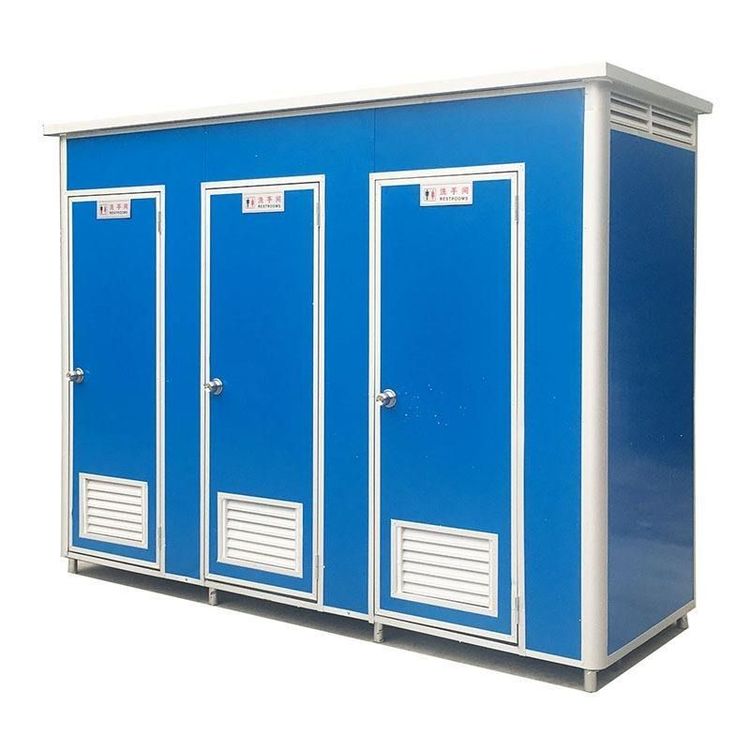
Prefabricated housing technology has been applied to rural homestead construction, public building projects, waterway management, and public restrooms. For instance, companies like Henan Jinding Yuanda Residential Technology Development Co., Ltd. have become leaders in the green building materials industrial cluster, promoting technology standardization and large-scale application.
Challenges and Improvement Directions
Currently, prefabricated housing faces challenges in design flexibility and customization difficulty. Some users report that sound insulation needs improvement, and fire resistance requires further enhancement. Future advancements will focus on material innovation (e.g., high-performance sound insulation materials) and modular design improvements to balance standardization with customization needs.
Zhumadian is driving the transformation of prefabricated housing from “speed advantages” to “quality and functionality parity” through technological innovation, with broad prospects for future applications in green building.