Container House Double-Deck: A Practical Buyer's Guide
The practical buyer's guide for double-deck container houses (Container House Double-Deck) requires a focus on price, advantages, scenarios, design, and market trends, combined with comprehensive decision-making based on supplier qualifications and compliance.

1. Price and Basic Configuration
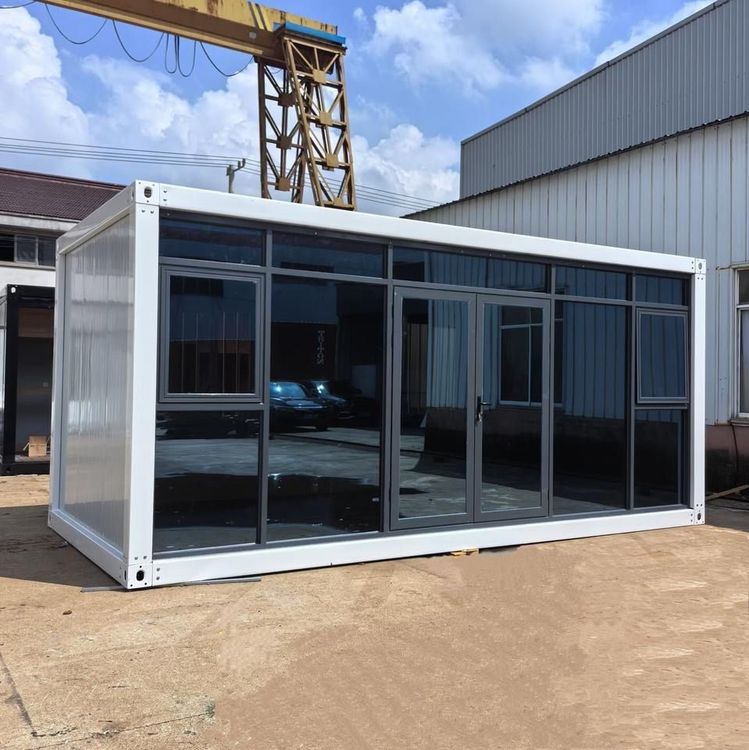
Taking Wansheng Technology's 20-foot double-deck container house as an example, it is priced at $18,999 and includes complete kitchen and bathroom facilities, supporting rapid assembly within 1 hour. Such houses are centered around modular design, reducing manufacturing costs through standardized production while providing ready-to-use living conditions suitable for users sensitive to time or with limited budgets.
2. Core Advantages
- Rapid Deployment: Modular structures simplify production and transportation processes, shortening delivery cycles, especially suitable for emergency scenarios such as post-disaster reconstruction and temporary camps.
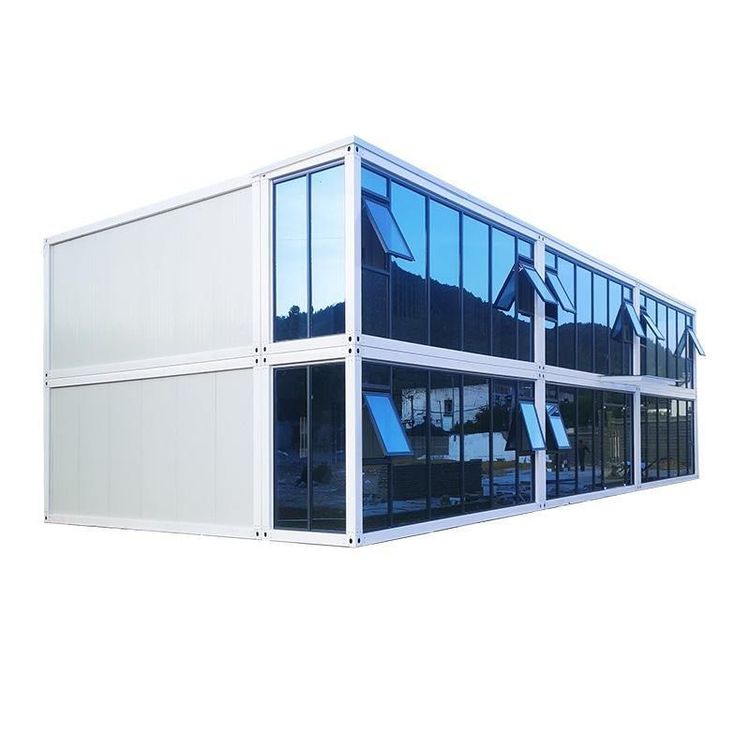
- Space Optimization: Double-deck design vertically expands usable area, increasing available space by over 50% on the same footprint, meeting residential, office, or commercial needs.
- Cost-Effectiveness: Compared to traditional buildings, container houses reduce material costs by 30%-50% and can be disassembled and reused, resulting in lower long-term maintenance costs.
- Sustainability: Steel recycling rates exceed 80%, reducing carbon emissions and aligning with global green building trends, with some countries offering tax incentives or subsidies.
3. Application Scenarios
- Residential Scenarios: Temporary housing after disasters, military camps, modular villas, student dormitories, etc., emphasizing flexibility and rapid response.
- Commercial Scenarios: Renovated into hotel rooms, creative studios, mobile shops, or cafes, leveraging unique industrial styles to attract customers.
- Industrial Scenarios: Used as labor dormitories, administrative offices, or equipment warehouses, adapting to large-scale, low-cost needs.
4. Design Flexibility
- Layout Customization: Supports open-plan spaces or compartmentalized designs (e.g., two bedrooms, one kitchen, and one bathroom), with internal partitions adjustable as needed.
- Scalability: By stacking or joining modules, it can be expanded into multi-story buildings or large complexes, adapting to population growth or functional upgrades.
- Transportation Optimization: Folding designs reduce transportation volume, with a single 40-foot high cube container capable of holding 2-6 units, lowering international logistics costs.
5. Market Trends (2026)
Driven by economic uncertainty, rising material costs, and sustainable demand, container houses have become a mainstream alternative housing solution globally. Their integration with 'tiny homes' and 'remote work' cultures further stimulates market demand, with a projected compound annual growth rate exceeding 10% over the next five years.
Buying Recommendations
- Supplier Qualifications: Prioritize ISO-certified companies (e.g., Wansheng offers a 5-year warranty) to ensure material quality and construction safety.
- After-Sales Service: Clarify warranty scope, maintenance response times, and spare parts supply capabilities to avoid post-maintenance disputes.
- Compliance: Consult local building regulations in advance to confirm house dimensions, seismic ratings, and fire safety requirements, avoiding regulatory risks.