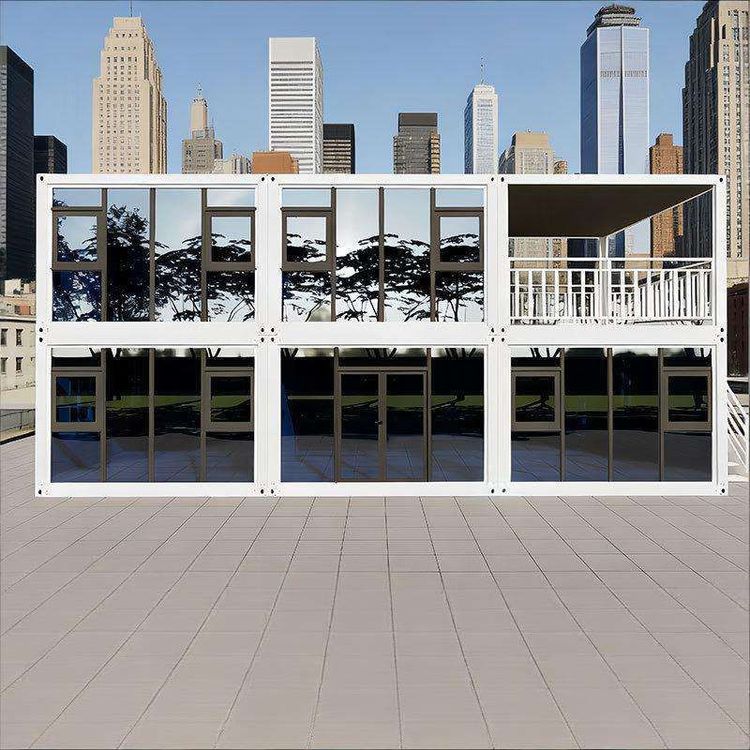
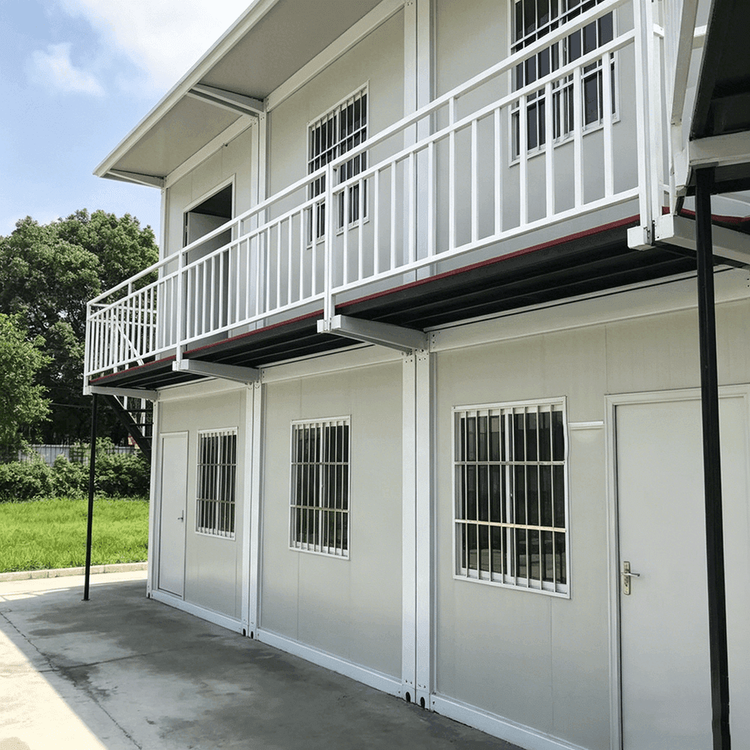
Thermal Insulation Container House Images
Currently, we cannot directly provide images of thermal insulation container houses, but we can describe their thermal insulation design features through text and use relevant product cases to aid understanding.

Core Design Principles of Thermal Insulation Container Houses
The challenge of thermal insulation in container houses lies in the "cold-bridge effect" of the metal walls, where direct contact between the steel frame and the inner and outer wall panels easily forms heat conduction channels. The improved solution typically adopts a broken-bridge lining structure: filling high-efficiency thermal insulation materials such as rigid polyurethane foam between the steel frame and the inner wall panel, and adding rubber thermal insulation pads at the keel connections. This design can reduce the heat exchange efficiency between the inside and outside of the container by about 40%. In winter without heating, the indoor temperature can be 8 to 10 degrees Celsius higher than the outside, significantly reducing heating equipment energy consumption.
Typical Applications of Thermal Insulation Materials and Processes
Sandwich Panel Walls
Modern inhabited extended container houses commonly use sandwich-structured thermal insulation sandwich panels (such as rock wool and polyurethane core materials) to replace traditional single-layer iron sheets. The sandwich panels achieve thermal and sound insulation through a multi-layer composite structure, such as the combination of "steel plate + polyurethane foam + interior decorative panel", effectively blocking heat transfer.Broken-Bridge Connection Technology
At the connection points between the steel frame and the wall panels, rubber thermal insulation pads or plastic broken-bridge components are used to isolate the metal conduction path. For example, after adopting this technology in a container house project in a Baotou campsite, the indoor-outdoor temperature difference can reach 15 degrees Celsius in summer, and comfortable temperatures can be maintained without additional heating in winter.Window and Door System Optimization
Double-layer laminated glass windows and doors with sealing strips further reduce heat loss. Some high-end products also use low-emissivity coated glass (Low-E glass) to reflect infrared heat radiation and enhance thermal insulation performance.
Actual Product Case References
- Suzhou Zhongnan Steel Structure Quick Assembly Container: Supports customization of curved walls and floor-to-ceiling glass windows, with an interior space utilization rate exceeding 90%, suitable for commercial temporary spaces. Its thermal insulation design combines broken-bridge structures with sandwich panels, allowing for repeated disassembly and assembly more than 15 times, with a single-use cost only one-third of that of a new product.
- Guangdong Changting Integrated Housing Glass Starry Sky Room: Adopts double-layer thermal insulation transparent glass and a metal frame, blocking heat conduction through an air layer, suitable for seaside camping scenarios.
- Shandong Zhongchang Export Quick Assembly Container: A site-inhabited product emphasizing thermal insulation and rapid installation, capable of completing replacement within 7 days, shipping within 48 hours, and priced at approximately 500 yuan per square meter.
Purchase Recommendations
If you need to further understand the actual effects of thermal insulation container houses, you can obtain images through the following channels:
- Visit e-commerce platforms such as 1688 and Alibaba International Station, search for keywords like "thermal insulation container house" and "broken-bridge container", and view real photos and technical parameters on product detail pages.
- Contact professional manufacturers (such as Suzhou Zhongnan and CIMC Modular Building Systems) to obtain case brochures, focusing on their thermal insulation layer structure and thermal performance test reports.