Container House Rental: A Practical Buyer's Guide
Key Points of the Practical Buyer's Guide for Container House Rental:

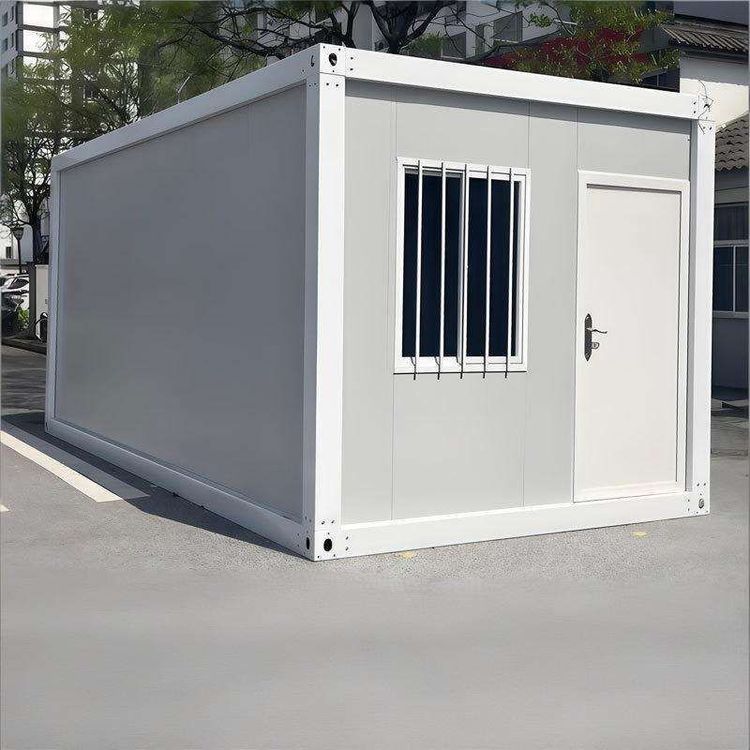
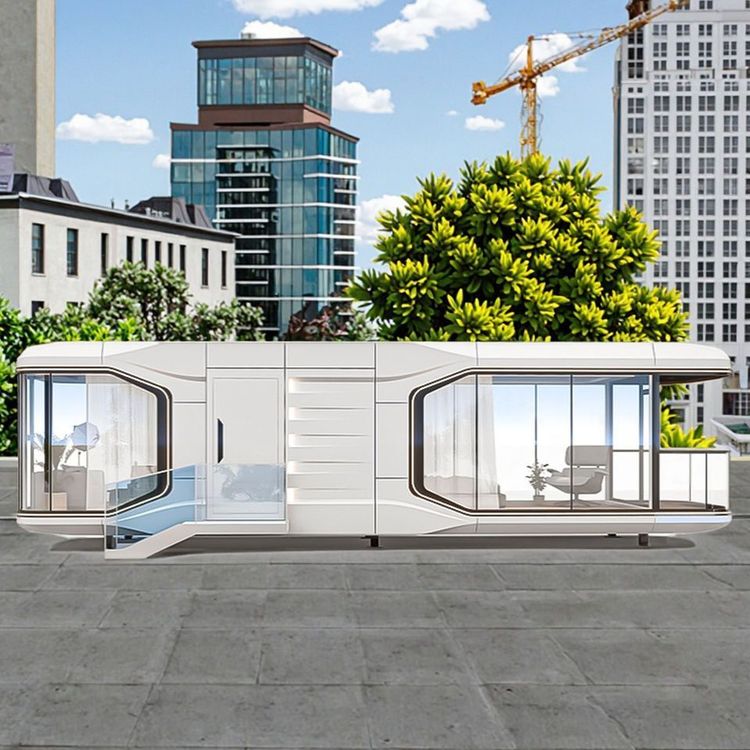
1. Application Scenarios and Customization Needs Container houses are suitable for various scenarios, including construction site offices, worker dormitories, residences, vacation homes, commercial shops, temporary retail spaces, schools, and hospitals. When renting, suppliers can be requested to provide customized designs based on project requirements, covering layout, size, and interior decoration to fit different site conditions and budgets. For example, foldable or flat-packed containers are easy to transport and suitable for temporary rental needs; modular designs support the expansion of multiple units into dormitories, hotels, or commercial buildings.
2. Material and Structural Advantages Mainstream container houses are constructed with galvanized steel frames, waterproof sandwich panels (such as EPS or wooden sandwich panels), or weathering steel (Corten Steel), offering corrosion resistance, extreme weather durability, and structural stability. Some products are CE-certified, meeting European safety and quality standards, ensuring long-term reliability. For instance, weathering steel forms a protective oxide layer in humid environments, extending service life.
3. Cost and Rental Strategies
- Price Reference: Bulk purchases can reduce unit prices, with prices ranging from $880 per unit for 1-49 units, $750 per unit for 50-499 units, and $620 per unit for ≥500 units.
- Rental Models: Choose short-term or long-term rentals based on project duration, prioritizing suppliers offering full-service packages from design to production, installation, and after-sales support to minimize additional costs.
- Cost-Effectiveness Considerations: Container houses have lower initial costs than traditional buildings, with shorter construction periods (some suppliers can produce up to 500 units per day), enabling rapid deployment for urgent needs.
4. Sustainability and Environmental Protection Container houses reduce construction waste and carbon emissions by reusing discarded containers or adopting eco-friendly materials (such as recyclable steel and low-energy sandwich panels). Their modular design supports repeated disassembly and reassembly, aligning with global sustainable housing demands by 2026, particularly for emergency projects or temporary housing.
5. Supplier Selection Criteria
- Experience and Qualifications: Prioritize manufacturers with over 10 years of industry experience and ISO 9001 certification.
- Global Delivery Capabilities: Confirm whether suppliers support international logistics and on-site installation guidance.
- After-Sales Service: 24/7 technical support can quickly resolve issues during the rental period, reducing operational risks.
6. Market Trends and Rental Value By 2026, container houses will become a mainstream choice due to economic uncertainty, rising material costs, and the rise of flexible work cultures. Their low cost, rapid deployment, and modular features make them ideal solutions for temporary housing, commercial spaces, and emergency projects.