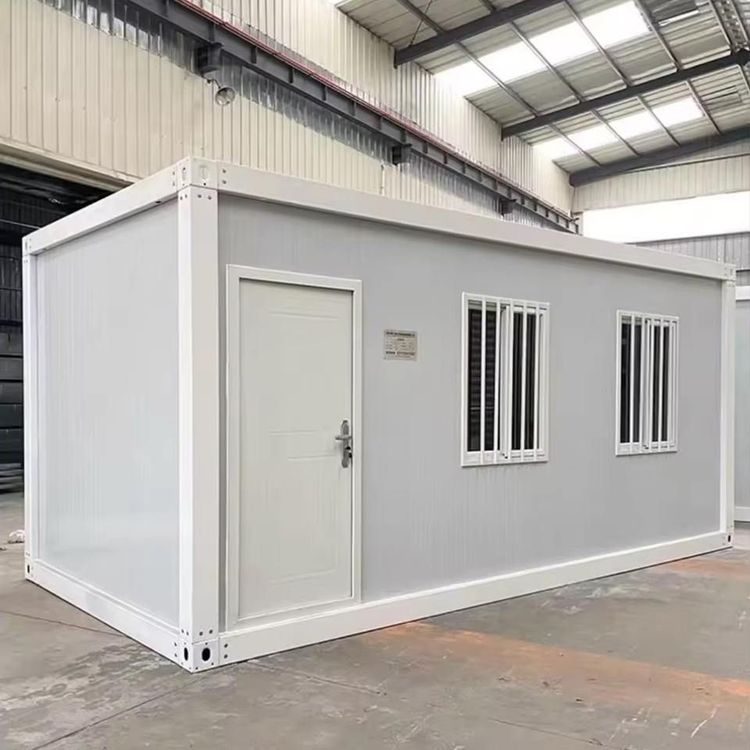
Portable Toilet Maintenance: Extend Its Lifespan
The maintenance to extend the lifespan of portable toilets should be systematically carried out in the following aspects:

1. In-depth cleaning and disinfection operations
The cleaning of portable toilets requires the use of professional tools and disinfectants, focusing on high-frequency contact areas. Use a neutral cleaner to thoroughly scrub the toilet bowl, floor, walls, door panels, and handrails. After removing stubborn stains and scale, spray or wipe the surfaces with a chlorine-containing or quaternary ammonium compound disinfectant that meets hygiene standards, paying special attention to areas such as door handles and flush buttons to inhibit the growth of bacteria and viruses. The cleaning frequency should be adjusted according to the intensity of use, with daily cleaning recommended for high-traffic locations and at least twice a week for low-traffic locations.
2. Systematic inspection and repair of facilities and equipment
Regularly inspect the functional integrity of core components such as the flushing system, water pressure regulator, water-saving valve, lighting fixtures, ventilation fans, and door lock hinges. For example, the flushing system should be tested for flushing force and water return speed, and the ventilation system should be checked to ensure that the air exchange rate meets standards. If aging seals, clogged pipes, or electronic component failures are found, replace parts or perform repairs immediately to prevent minor issues from evolving into structural damage. It is recommended to conduct a comprehensive inspection every quarter and establish a maintenance file to track equipment status.
3. Dynamic management of consumables and supplies
Establish a consumable inventory warning mechanism and preset replenishment cycles based on usage data. Consumables such as toilet paper, hand soap, and paper towels should be kept at a stock level of no less than 20% of the total capacity. Air fresheners should be replaced promptly based on odor intensity, and anti-slip mats should be regularly inspected for wear. For smart portable toilets, battery levels and sensor sensitivity should also be monitored to ensure that automated functions operate normally.
4. Professional treatment of septic tanks
Non-direct-discharge toilets require dedicated suction vehicles for their septic tanks, which should be regularly emptied in accordance with environmental protection requirements. Before emptying, check the tank's seal to prevent leaks that could pollute the environment; use closed tanks during transportation to prevent spillage of waste; and entrust the treatment process to qualified institutions for harmless disposal. It is strictly prohibited to dump waste randomly. It is recommended to develop an emptying plan based on usage frequency, with cleaning every 3-5 days during peak periods and extending to 7-10 days during off-peak periods.
5. Collaborative maintenance of appearance and surroundings
The exterior of the toilet unit should be rinsed with a low-pressure water gun to remove stains, and signage should be regularly wiped to remain clearly visible. Surrounding environment maintenance includes clearing scattered garbage, trimming obstructing vegetation, and checking ground flatness to ensure that the toilet harmonizes with the landscape. For long-term fixed locations, adding sunshades or rain covers can extend equipment lifespan.