CE Prefabricated Housing
CE prefabricated housing is an efficient building solution through modular design and industrial production, featuring diverse product types, strict international certifications, and extensive global applications.

Product Types and Pricing
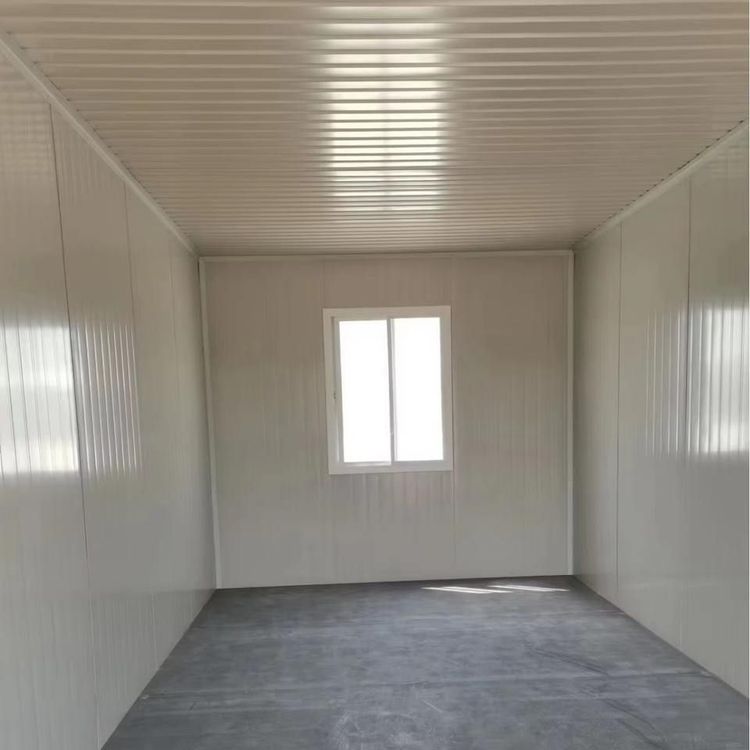
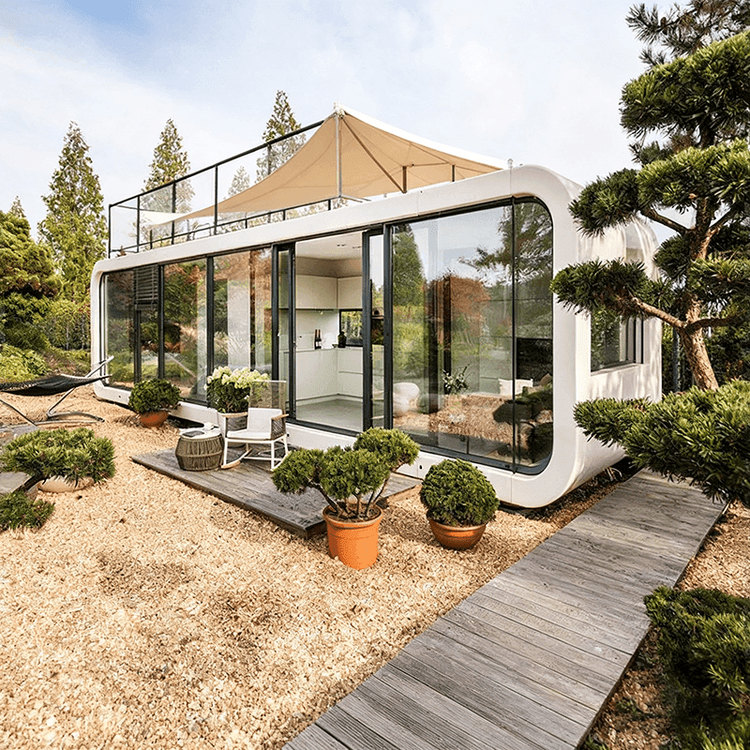
CE prefabricated housing includes modern designs such as mobile homes, steel-structured container houses, portable expandable folding container units, prefabricated steel micro-homes, office buildings, and hotels. Prices range from US$399 (basic models) to US$22,570 (premium configurations), depending on the model, size, and interior finish standards. For example, portable folding container units, which can be quickly deployed, are generally priced lower than customized office modules, while hotel modules equipped with smart home systems have significantly higher costs due to their technological added value.
Certification Standards and Adaptability
Some products are CE-certified, meeting the European Union's Construction Products Regulation (CPR) requirements for safety, health, and environmental protection, as well as relevant International Organization for Standardization (ISO) standards. This certification ensures the housing can adapt to various climatic conditions (such as the cold of Northern Europe or the humidity of tropical regions) and cultural needs (such as religious architectural layouts or ventilation designs). For instance, in earthquake-prone areas, the housing uses high-strength steel structures and shock-absorbing foundations, achieving an earthquake resistance of over magnitude 8; in desert regions, double-layer insulated walls and reflective roofing materials are used to reduce indoor temperatures.
Technological Advantages and Production Model
- Factory Prefabrication: Over 90% of the processes are completed in the factory, including main structure welding, plumbing and electrical pre-installation, and interior finishes (such as flooring and wall coatings). On-site assembly only requires connection, with single-module installation time reduced to 4-6 hours, significantly lowering labor and time costs.
- Material Performance: High-performance building materials are used, such as rock wool insulation boards (thermal conductivity ≤ 0.04 W/(m·K)), Class A fire-resistant rock wool sandwich panels, and low-noise soundproof cotton, offering superior overall performance compared to traditional brick-and-mortar structures.
- Customized Design: Flexible adjustments to layout and appearance are supported. For example, Nordic-style pointed-roof wooden houses use sloped roofs to prevent snow accumulation, while tropical ventilated verandas feature perforated walls to promote air circulation.
Market Performance and User Cases
From 2015 to 2025, exports of CE prefabricated housing nearly tripled, with a 45% growth rate in the first quarter of 2026. The Shenzhen port reported export earnings of 1.68 billion yuan in the first four months. Typical cases include a UK development group purchasing 63 modules for a senior living apartment complex, with on-site assembly completed in two weeks, and a Papua New Guinea hotel project continuously adding orders through multiple phases, validating its feasibility for large-scale applications.
Challenges and Response Strategies
Meeting different national certification standards (such as EU CE, US ICC-ES) and localization requirements is necessary, such as adding dust-proof sealing designs for the Middle East and enhancing heating system compatibility for Northern Europe. Additionally, establishing a localized service network for overseas installation and maintenance is crucial, reducing long-term costs by training local technicians or partnering with third-party organizations.