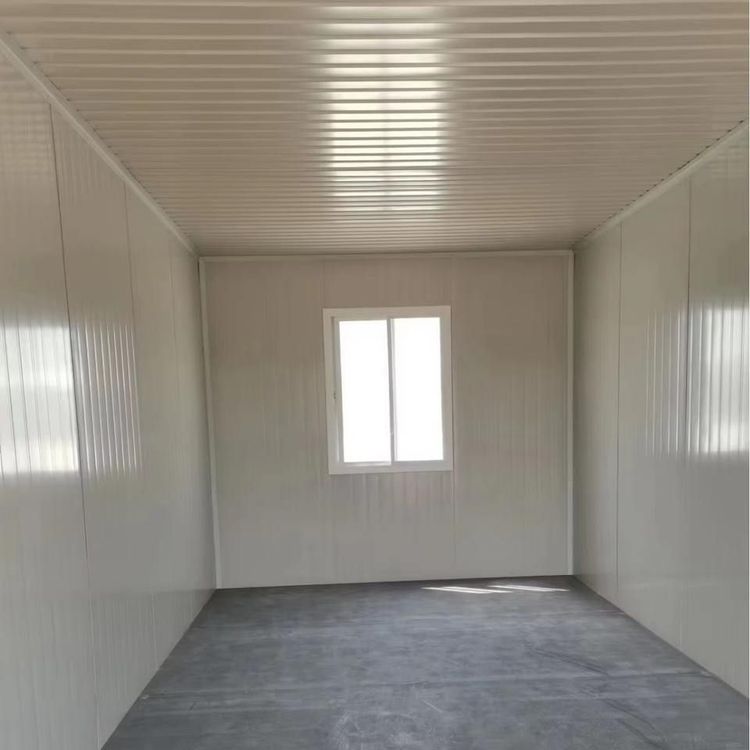
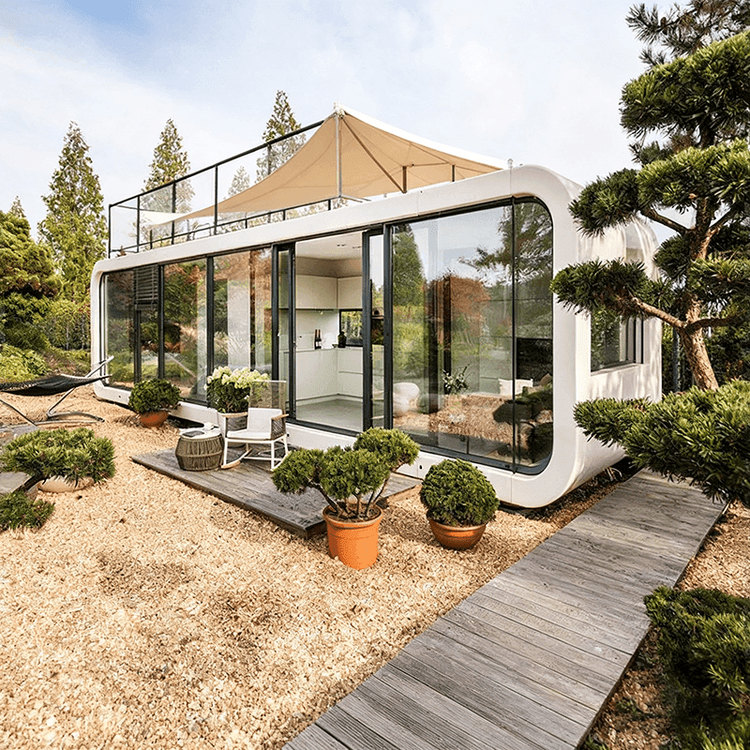
Prefabricated Housing Overall
Prefabricated housing is a form of construction that involves industrial production of building components and on-site assembly, featuring various types, technical characteristics, advantages, and disadvantages, with a broad market outlook.

Main Types and Technical Components
The main types of prefabricated housing include panel-based assembly, box-based assembly, and frame-based assembly. Modular construction represents a higher level of integration, where buildings are broken down into independent modules manufactured in factories and then assembled on-site. The technology encompasses prefabricated concrete structures and steel structures, with components including prefabricated beams, slabs, walls, columns, and other products.
Development History
China's prefabricated concrete technology began in the 1950s, initially used for factory and residential construction. By the 1970s, technical systems such as large-panel structures and box structures had formed. In the mid-1980s, development stalled due to cost and quality issues. However, in the 21st century, it has seen a resurgence due to production efficiency and environmental advantages. Companies like Vanke Group have developed prefabricated shear wall residential structural systems and applied prefabricated frame technology in engineering projects. Prefabricated panel houses originated in the early 20th century, and most residential buildings constructed in China before 1985 used this structure, which was later gradually replaced by cast-in-place concrete and prefabricated buildings.
Advantages
- Short Construction Period: The construction period for modular buildings can be shortened by more than 60%, while that for prefabricated buildings is 30% shorter than traditional methods.
- High Quality: Prefabricated components are manufactured in factories using computer-controlled molds, with errors measured in millimeters. Regular prefabricated concrete or steel structures achieve seismic resistance through integral connections or high-quality materials, with a seismic fortification intensity of up to eight degrees. Steel structures offer more than 50% better seismic performance than brick-concrete structures.
- Good Environmental Performance: Regions like Fujian Province have established industrial bases with policy support, achieving a reduction in construction waste of over 70%. Modular construction significantly reduces noise, dust, construction waste, and traffic congestion at construction sites.
- Low Cost: The total lifecycle cost of prefabricated concrete projects is lower, and steel structures have a long service life and high recycling rate.
Disadvantages
- Limited Design Flexibility: Panel-based assembly buildings are constrained by design flexibility, with standardized construction meaning that floor plans cannot be easily altered, making home renovations difficult. Modifying water and electrical lines later is also extremely challenging.
- High Industrial Base Requirements: The modular construction model places extremely high demands on the industrial base, requiring support from technical systems, production systems, and industrial clusters.
- High Initial Cost: The initial cost is 10% to 30% higher than that of brick-concrete structures.
Market Situation
Chinese-made prefabricated houses are selling well overseas. According to market research agency predictions, the global modular construction market size will exceed $142.8 billion by 2030.