How to Choose the Right Portable Toilet Movable Rental
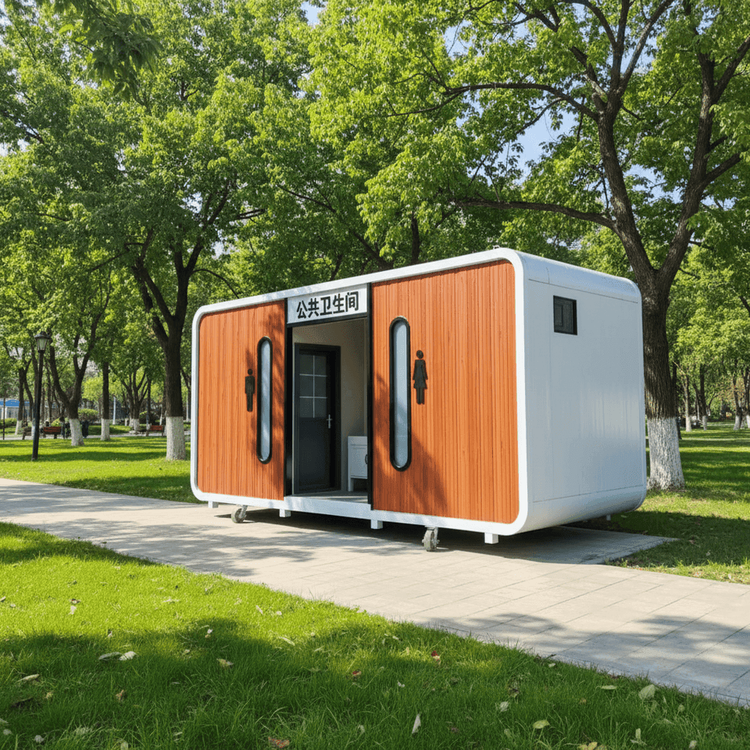
Choosing the right portable toilet movable rental requires a comprehensive consideration of demand scenarios, service details, and cost-effectiveness. Here are the specific points:

1. Determine the toilet type based on the usage scenario Portable toilets come in various types and need to be selected according to actual needs. Construction sites usually opt for standard portable toilets, which comply with Cal/OSHA Title 8 sanitation standards and can meet the daily usage needs of workers. Large-scale events need to be chosen according to the scale. Small events can use standard portable toilets, while high-end events or music festivals are recommended to rent luxury toilet trailers, which are equipped with flushing systems, air conditioners, and more spacious spaces to enhance the user experience. Special population needs should consider accessible toilets, which comply with ADA (Americans with Disabilities Act) standards and are equipped with handrails, low-level sinks, and other facilities, suitable for public events or long-term rental scenarios.
2. Clarify the rental duration and service frequency The rental duration directly affects the cost and service plan. Short-term events (such as single-day celebrations) can choose daily billing. Long-term projects (such as several months of construction) are recommended to sign long-term contracts, and some companies will offer discounts or regular maintenance services. The service frequency needs to be adjusted according to the number of users: High-traffic scenarios (such as events with more than a hundred people) require daily or every-other-day cleaning, including waste liquid extraction, high-pressure flushing, disinfectant replenishment, and replacement of consumables such as toilet paper and hand soap. Low-traffic scenarios (such as small construction sites) can extend the service interval to 3-5 days.
3. Confirm delivery and placement details Before renting, it is necessary to confirm the delivery time with the supplier. Some companies support early morning delivery to avoid traffic delays. The placement location needs to consider convenience and compliance, such as being away from dining areas and close to power sources (if lighting or ventilation equipment is required), while ensuring a flat ground to prevent equipment tilting. In addition, it is necessary to clarify whether the supplier provides handling services to avoid equipment damage caused by self-movement.
4. Balance the budget and service quality Prices are affected by the city, service frequency, and the number of equipment. It is recommended to obtain quotes from multiple suppliers through price comparison platforms (such as PortableToiletRentals.org), focusing on single service fees, overtime fees, and damage compensation terms. Note that low prices may be accompanied by service reductions, such as reducing cleaning frequency or using old equipment. Therefore, it is necessary to prioritize companies with a good reputation and transparent equipment maintenance records.
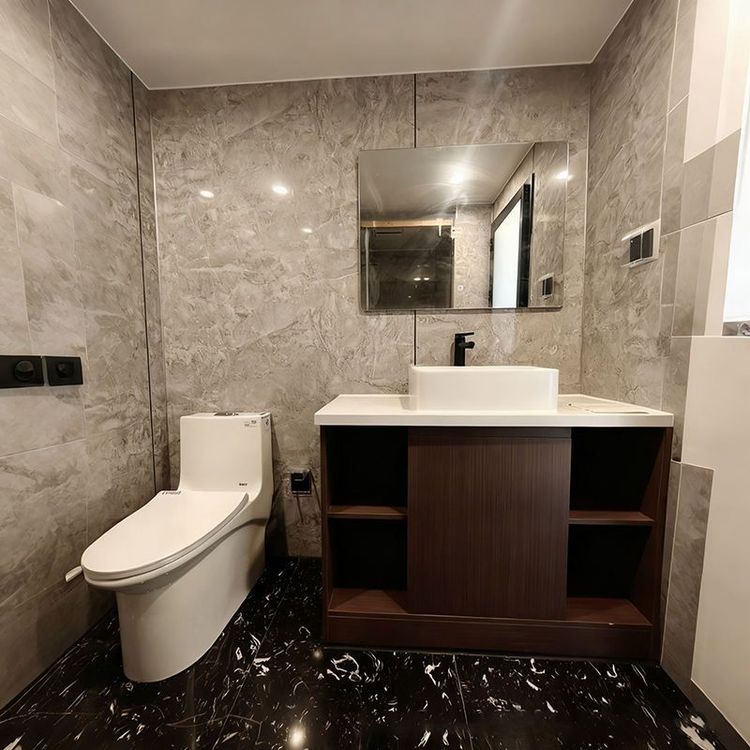
5. Evaluate equipment quality and maintenance capabilities High-quality equipment should have impact-resistant shells, leak-proof sealing systems, and ventilation designs to adapt to harsh outdoor environments. Before renting, you can request to view equipment photos or conduct on-site inspections to confirm that there are no cracks, odors, or consumable shortages. In addition, the supplier needs to provide emergency response services, such as arriving at the site for repair or replacement within 4 hours in case of equipment failure.
6. Prioritize suppliers with fast customer service response Excellent suppliers will take the initiative to understand demand details (such as the number of users and event types), provide customized plans, and maintain communication during the rental period to ensure that the service meets expectations. You can evaluate their service reliability by checking online reviews or requesting past cases.