Prefabricated Rural Houses
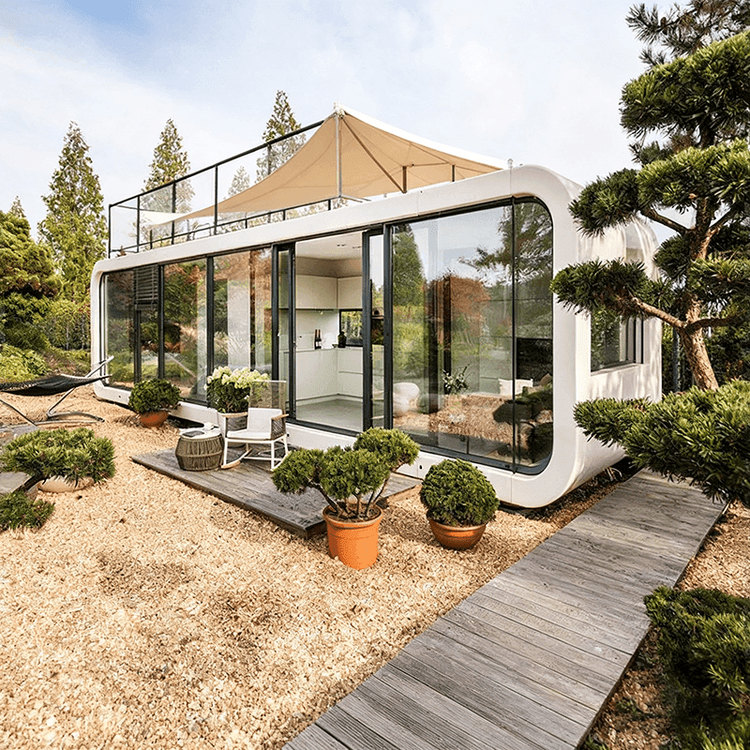
Prefabricated rural houses are a form of housing that adopts standardized factory production and on-site assembly construction. They feature fast construction speed, controllable costs, and guaranteed quality, but they have the issue of insufficient structural stability. Currently, the development of domestic and international markets shows differentiated trends.

Construction Characteristics
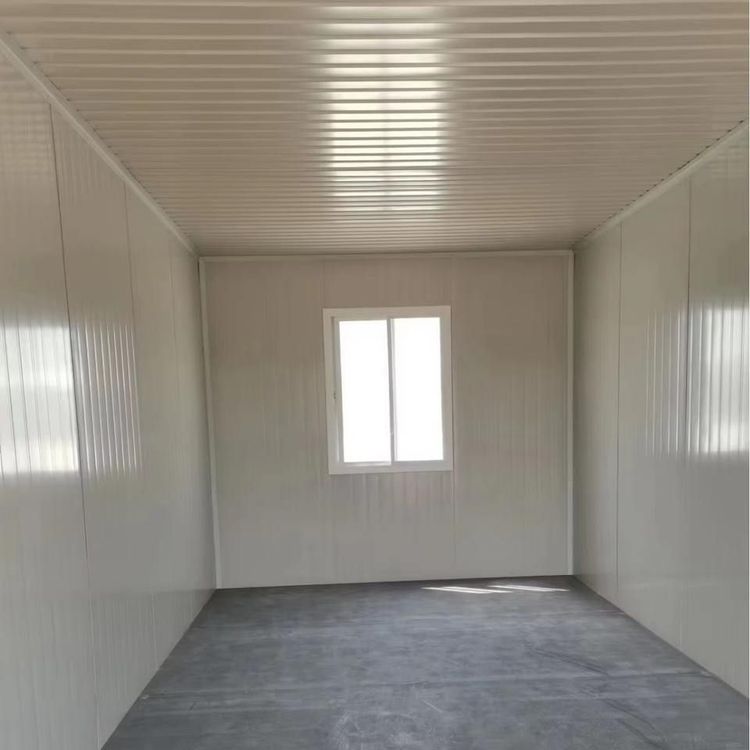
Prefabricated rural houses produce modular components through factory assembly lines and assemble them on-site. For foundation treatment, the land needs to be leveled, a cushion layer poured, anchor plates and prefabricated foundation piles installed, and then connected and fixed with crossbeams. For the main structure, the house is divided into modules, with water and electricity pipelines arranged in advance. After on-site assembly, simple treatment of the connection parts allows for occupancy. The construction period is short, with the main structure able to be completed in 14 days, and it is not affected by severe weather, achieving an efficient model of 'production in one day and on-site assembly'.
Advantage Analysis
- Cost Advantage: In European and American countries, prefabricated houses offer significantly better cost-effectiveness compared to traditional buildings. For example, due to high labor costs in the United States, the cost of a traditional house exceeds one million RMB, while a prefabricated house in China costs only 200,000 RMB. In rural areas of China, prefabricated houses can avoid the rising labor costs associated with traditional brick-and-mortar structures, reducing construction costs.
- Quality Assurance: The wall thickness is uniformly 15 centimeters, and the floor height can be customized (ranging from 3 meters to 3.6 meters). The structure is sturdy and has excellent moisture resistance. Their earthquake and moisture resistance performance is superior to that of traditional brick-and-mortar structures, and single rooms can be up to 10 meters long, meeting diverse needs.
Limitations
The connection points between modules of prefabricated houses are prone to cracking and water leakage, and their structural stability is inferior to that of houses built with traditional bricks and tiles, with a gap in durability. The acceptance in the domestic rural market is relatively low, and they are mostly used as transitional housing or temporary housing on construction sites, not yet widely popularized.
Market Status
- Domestic Market: Although they emerged more than a decade ago, they have not become a popular trend. In recent years, as rural self-built houses have evolved towards safety and convenience, prefabricated houses have become a new trend. For example, companies such as Shandong Good House Rural Villa Building Materials Technology Co., Ltd. provide related products, with services covering Zibo and surrounding areas.
- International Market: In the first half of this year, China's exports of prefabricated houses experienced explosive growth, with a surge in orders from factories in the Pearl River Delta. Export growth in the first quarter reached 45%, and export value from Guangdong Customs in the first four months soared by 38.1% year-on-year. Social media shares by European and American bloggers have triggered a buying frenzy.