
The Ultimate Guide to House Furnishing
The Ultimate Guide to House Furnishing should revolve around three core aspects: furniture selection, quality control, and scenario adaptation. Here are specific suggestions:

I. Select Furniture Purchase Locations Based on Regional Characteristics
If you seek design diversity and cost-effectiveness, consider the furniture market model in Miami. As a city where design cultures converge, Miami's furniture stores cover both high-end customization and affordable practical options, catering to consumers with different budgets. For example, high-end stores offer designer collaborations to meet personalized needs, while budget-friendly stores focus on mass production, suitable for quickly furnishing spaces. Before purchasing, clarify your style preferences, such as modern minimalism, vintage industrial, or bohemian, and then filter store types accordingly to avoid wasting time browsing aimlessly.
II. Strictly Control Furniture Delivery Quality
Furniture inspection is a critical step to safeguard your investment, especially for commercial purchases or overseas shipping. Before delivery, focus on inspecting three key aspects:
- Structural Stability: Shake the furniture to check for looseness or unusual noises, and examine connections (e.g., screws, mortise-and-tenon joints) for firmness;
- Surface Integrity: Look for scratches, fading, or damage on paint, fabric, or leather, paying special attention to edges and corners;
- Functional Normality: Test drawer slides, cabinet hinges, sofa comfort, etc., to ensure they meet expectations. For electric furniture, check circuits and remote controls.
If issues are found, take photos immediately as evidence and contact the supplier to avoid disputes over repairs or returns later.
III. Match Furniture Types to Scenario Needs
Different spaces have distinct functional and stylistic requirements for furniture, necessitating targeted selections:
- Bathroom Furniture: Prioritize waterproof materials (e.g., PVC, stainless steel). Countertops should be moisture-resistant, and storage cabinets are recommended with ventilation to prevent mold;
- Bedroom Furniture: Focus on bed load-bearing capacity and breathability (e.g., slatted frames). Wardrobes should have internal partitions (hanging, stacking, drawers), and nightstands can include outlets and USB ports for convenience;
- Kitchen Furniture: Choose heat-resistant, easy-to-clean panels (e.g., fireproof boards) for cabinets. Quartz or stainless steel countertops are recommended, and kitchen islands can add storage and workspace;
- Outdoor Furniture: Materials should resist UV rays and rain (e.g., aluminum alloy, wicker). Sofas and seats need waterproof cushions, and folding designs facilitate storage;
- Office Furniture: Ergonomic chairs should support multi-directional adjustments (lumbar support, armrests, height). Desk height should match the user's height to prevent fatigue from prolonged sitting.
By applying regional filtering, quality control, and scenario adaptation, you can systematically enhance the efficiency and quality of house furnishing, achieving a balance between functionality and aesthetics.
You may also like

Top Prefab Container House Manufacturers: How to Choose a Factory Partner
Read More
How to Choose the Right Portable Toilet Movable Rental
Read More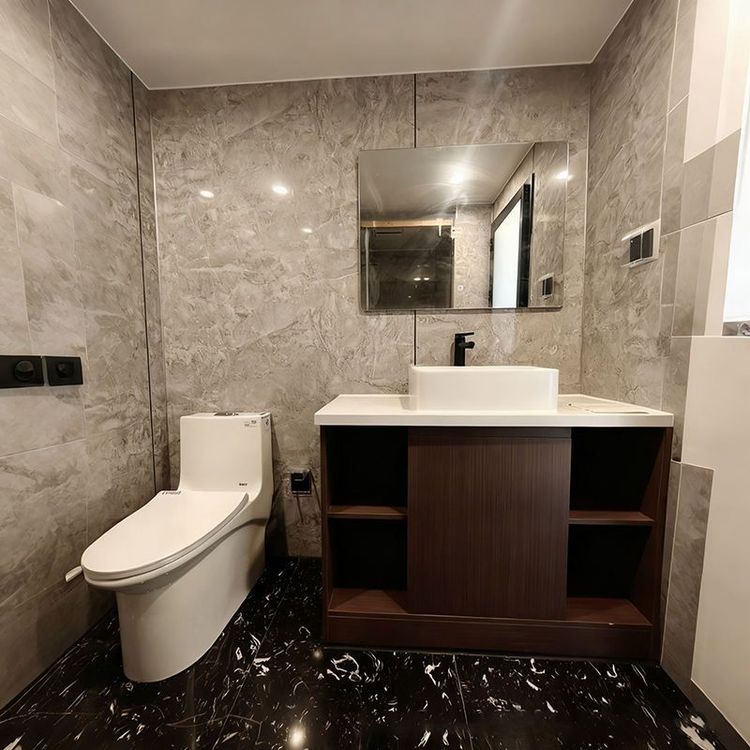
Portable Toilet Rental For Sale: What to Know Before You Buy
Read More