Xiaogan Container House Materials
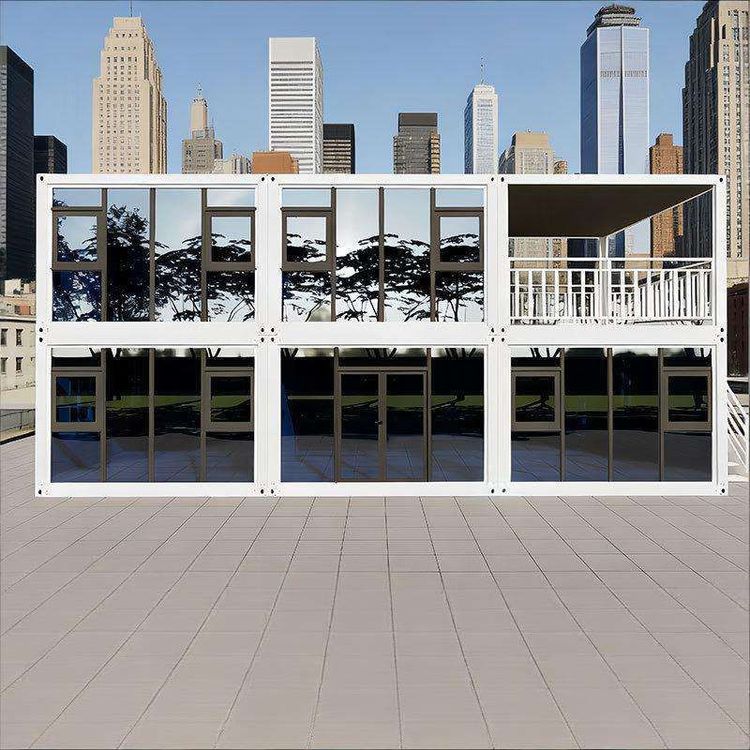
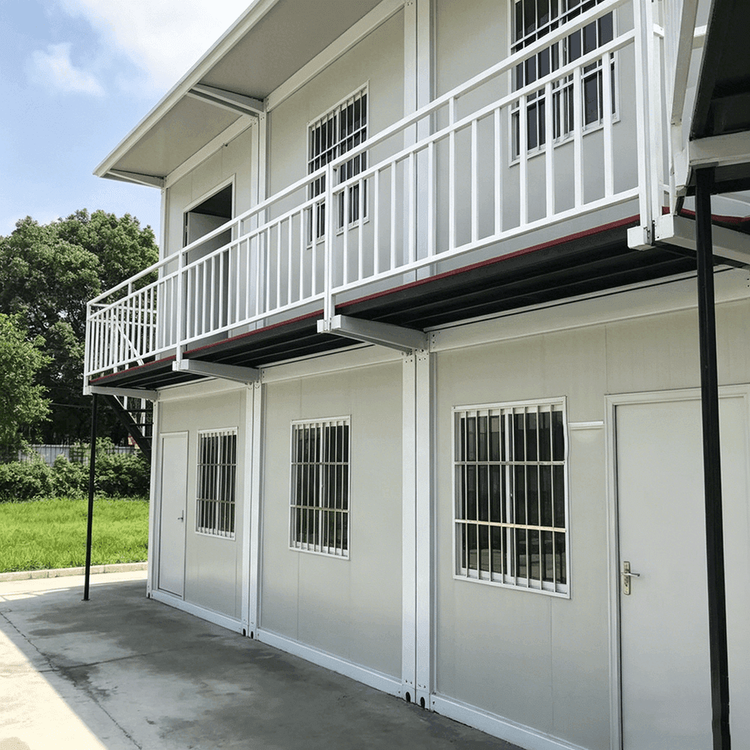
The materials for container houses in Xiaogan mainly include high-strength panels, steel structural frames, and various auxiliary materials that meet environmental protection and functional requirements. The following is an analysis from three aspects: core materials, structural materials, and functional materials.

I. Core Panel Materials
The core panels for container houses in the Xiaogan area are mainly high-strength oriented strand board (COSB), produced by companies such as Hubei Kangxin New Material Technology Co., Ltd. Made from fast-growing forest wood as raw material and pressed through oriented strand technology, this panel features high density, strong nail-holding power, and excellent bending resistance. It is the primary material for container floors and the walls and floors of wooden-structured houses. For example, Kangxin New Material's COSB production line has an annual output of 275,000 cubic meters, with products not only used for container floors but also extended to the field of prefabricated wooden-structured buildings. Additionally, some companies may use rock wool sandwich panels or polyurethane sandwich panels as wall and roof materials. These panels have metal panels as the surface layer and are filled with fire-resistant and thermal insulation materials in the middle, balancing structural strength and thermal performance.
II. Steel Structural Frame Materials
The load-bearing structure of container houses relies on welded steel frames made of section steel. The main beams and columns usually adopt Q235 or Q355 carbon structural steel, with the steel thickness directly affecting the load-bearing capacity. According to the practical guide for container customization in Hubei, national standard container frames need to meet three requirements:
- The steel thickness of main beams and columns should be no less than 3mm;
- The welding process should be full without cold solder joints to ensure safety during lifting and stacking;
- The container body should undergo overall galvanizing or anti-corrosion spraying treatment to extend the service life to more than 15 years.
For example, Wuhan Jinxiang Light Steel Housing Co., Ltd. uses CNC forming machines and frame welding production lines in production to ensure the precision and durability of the steel structure.
III. Functional Auxiliary Materials
To meet requirements for environmental protection, fire prevention, waterproofing, etc., container houses also need to be equipped with the following materials:
- Fire-resistant materials: Walls and roofs should comply with the new national standard GB/T 51232-2016, using Class A non-combustible materials (such as rock wool) or being treated with fire-resistant coatings;
- Waterproof materials: Sealing strips or structural adhesives are used at container body joints, and waterproof membranes are laid on the roof to prevent leakage;
- Environmentally friendly materials: For interior decoration, low-formaldehyde materials such as E0-grade panels and water-based paints are used, meeting green building standards;
- Door and window materials: Broken-bridge aluminum alloy doors and windows or plastic-steel doors and windows are selected, paired with insulating glass to improve sound insulation and thermal insulation performance.
In addition, some customized container houses also integrate solar panels, smart locks, and other equipment to further expand functionality and sustainability.