Who Buys Japanese Prefabricated Houses
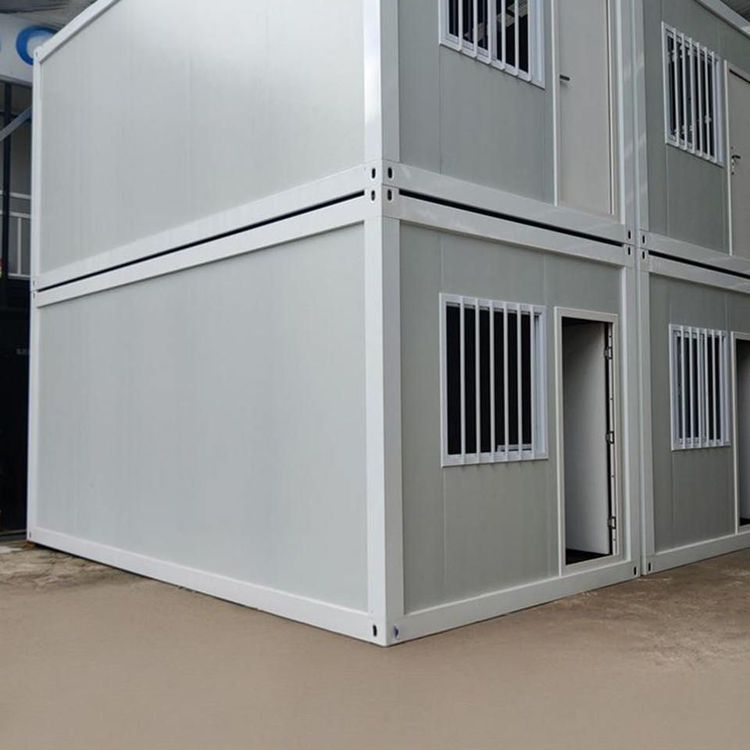
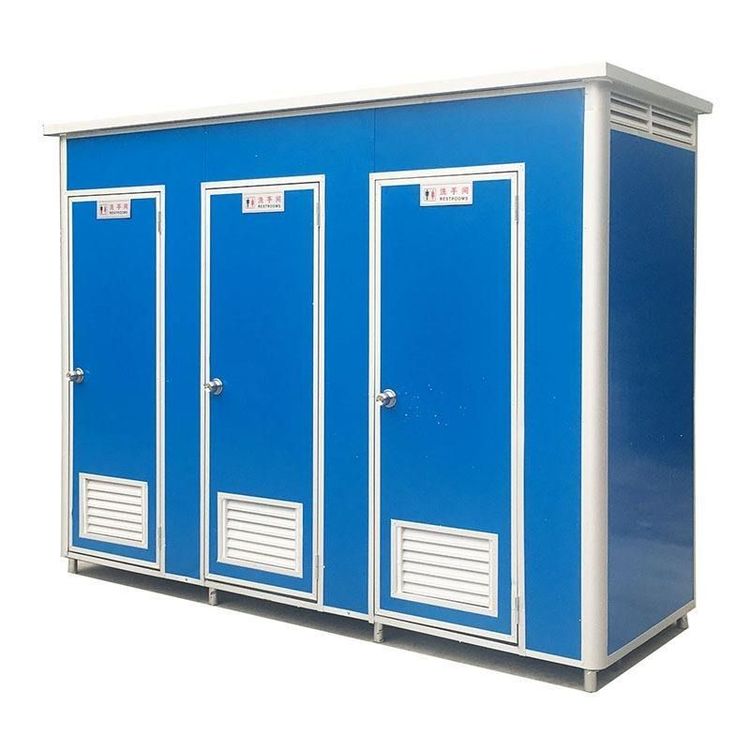
There is no publicly available information that clearly points to specific groups purchasing Japanese prefabricated houses. The buyers may include various entities such as individuals, enterprises, government agencies, and non-profit organizations, depending on the usage scenarios and needs.
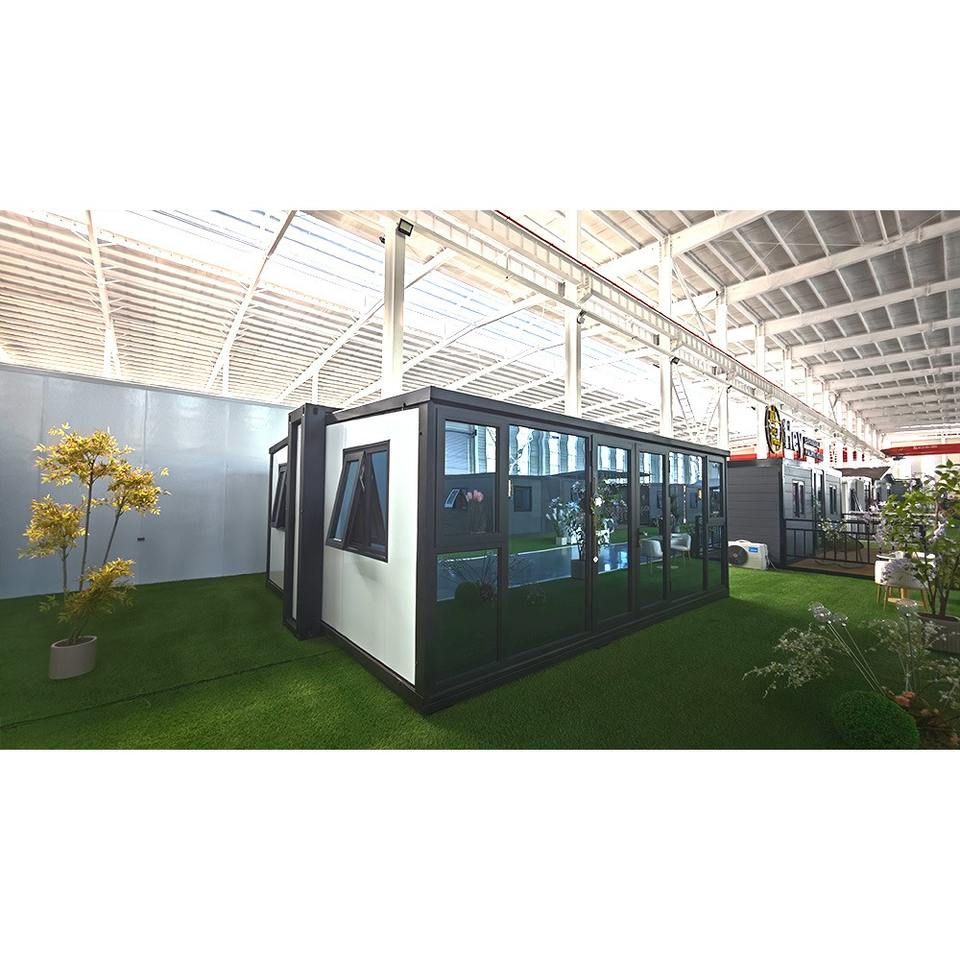
From an individual perspective, some consumers with housing needs who pursue efficiency and environmental protection may choose Japanese prefabricated houses. These houses are produced in factories and assembled quickly on-site, significantly shortening the construction period and meeting individuals' needs for rapid occupancy. At the same time, prefabricated houses can achieve efficient utilization of resources during the production process, reducing the generation of construction waste, which aligns with current environmental protection concepts. Some individuals who focus on the quality of life and pursue personalized living experiences may also choose to buy prefabricated houses due to their flexibility and innovation in design. For example, they can customize the appearance and internal layout of the houses according to their own preferences.
Enterprises are also potential buyers. For some enterprises in need of temporary office spaces, employee dormitories, or warehousing spaces, Japanese prefabricated houses have obvious advantages. Their rapid construction feature can quickly meet the urgent needs of enterprises and reduce time costs. Moreover, prefabricated houses can be modularly combined and expanded according to enterprise requirements, facilitating later adjustments based on business development. In addition, some tourism enterprises may purchase prefabricated houses as characteristic homestays. Their unique appearance and comfortable living environment can attract tourists and enhance the attractiveness of tourism projects.
Government agencies may also purchase Japanese prefabricated houses under specific circumstances. For example, in the temporary resettlement work after natural disasters, prefabricated houses can quickly provide safe and comfortable living places for the affected people, alleviating the housing shortage problem. At the same time, the government may also consider using prefabricated houses as temporary office spaces or public service places in urban renewal and public facility construction projects.
Non-profit organizations may also become buyers. Some non-profit organizations dedicated to improving living conditions in poor areas and providing educational or medical facilities may choose Japanese prefabricated houses because of their relatively low cost and fast construction speed, which can more efficiently achieve public welfare goals.