The Ultimate Guide to Portable Toilet Types
The Ultimate Guide to Portable Toilet Types primarily introduces two types of products: ordinary portable toilets and portable composting toilets. Here is a detailed introduction to these two types of portable toilets:

Ordinary Portable Toilets
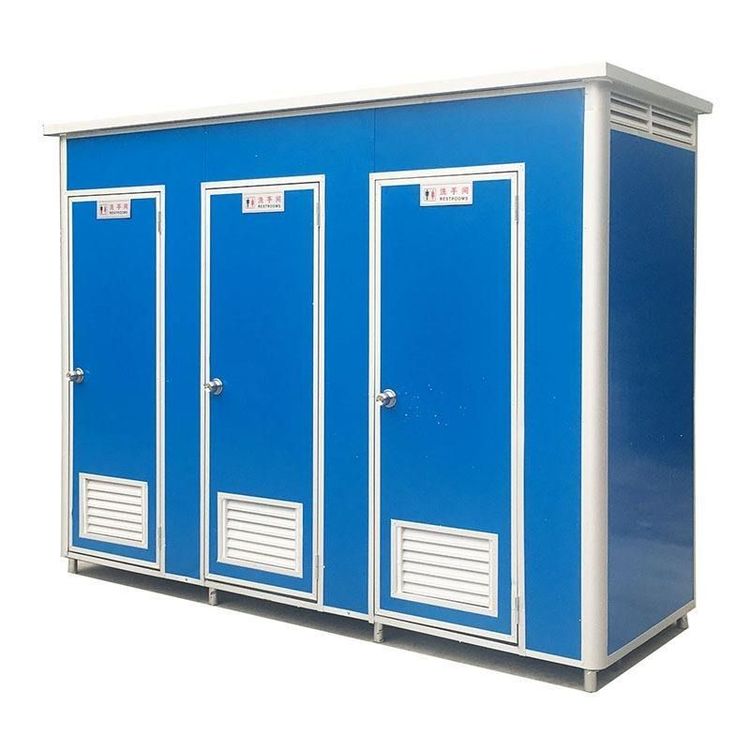
The core design of ordinary portable toilets focuses on enhancing user comfort. Their structure achieves this goal by optimizing ergonomic parameters: the seat surface adopts an approximately rectangular design with a protruding front edge forming a special curve. This structure allows users to sit in a more natural posture, with legs and feet able to stretch freely while ensuring sufficient support space for the arms. Compared to traditional portable toilets, this design reduces the frequency of users adjusting their sitting posture, lowering fatigue by minimizing body movement. The protruding front edge also guides users to sit back naturally, avoiding safety hazards caused by shallow sitting. These products are mainly used in temporary event venues, construction sites, and other scenarios requiring short-term sanitation facilities, with their standardized design facilitating mass transportation and rapid deployment.
Portable Composting Toilets
Portable composting toilets are an innovative solution responding to the growth in global mobility demand by 2026, rising sustainable sanitation standards, and stricter environmental regulations. Their core advantages are reflected in four dimensions:
- Space Efficiency: With a modular and compact design, they reduce volume by 40%-60% compared to traditional toilets, fitting the limited space of mobile carriers like RVs and yachts.
- Odor Control: Through the synergy of a biodegradation layer and ventilation system, odor concentration is controlled below 0.1ppm (far lower than the 2-5ppm of traditional toilets).
- Processing Efficiency: Solid waste undergoes 72 hours of biological decomposition, reducing volume by 90% and converting directly into organic fertilizer for resource recycling.
- Environmental Friendliness: They require no water throughout the process, saving 15 liters per use, and emit no chemical pollutants.
These toilets have diversified application scenarios: replacing traditional service area toilets during long-distance road trips; providing off-grid sanitation solutions for remote residential areas when paired with solar ventilation systems; and serving as critical sanitation infrastructure during natural disasters in emergency reserve fields. Their technological iteration directions include the integration of nanomembrane filtration technology and smart monitoring systems.
These two product types represent the "comfort-oriented" and "ecology-oriented" development paths in the portable toilet field, jointly driving mobile sanitation facilities toward standardization, intelligence, and sustainability.