
Wenzhou Mobile Flushing Toilet
The Wenzhou mobile flushing toilet is a type of mobile toilet centered around water-flushing sewage disposal, suitable for scenarios such as construction sites and long-term驻点 (stationary) projects. It features modularity and ease of transportation but requires regular sewage removal and consideration of installation constraints.
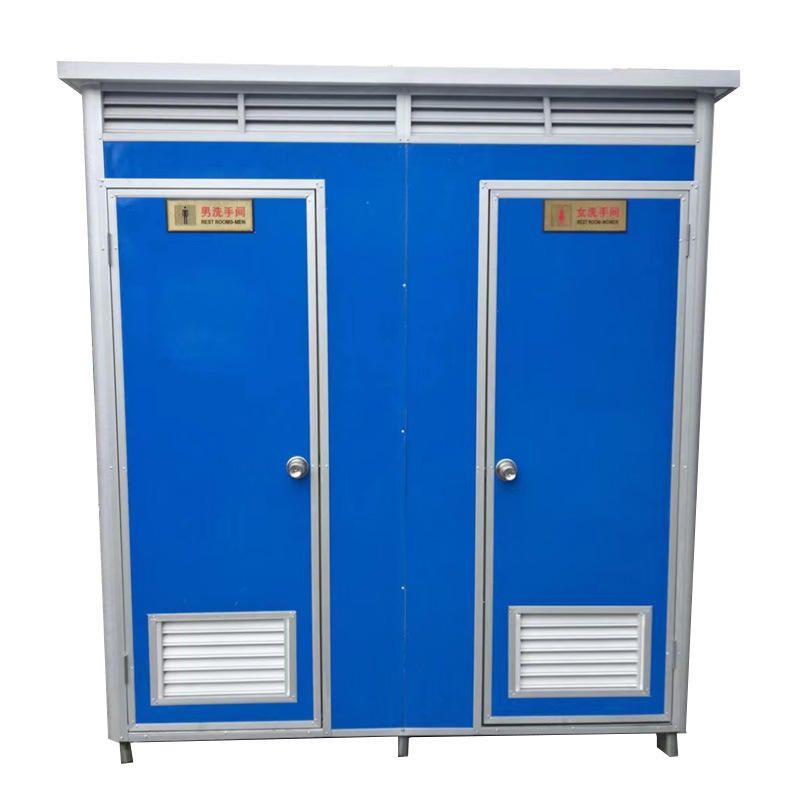
Sewage System and Sewage Management
The sewage system of the Wenzhou mobile flushing toilet relies on water flow to flush away waste, storing it in an internal sewage tank. The capacity of the sewage tank should be calculated based on the peak foot traffic of the usage scenario. For example, construction sites need to balance the number of toilet units and the frequency of sewage removal by considering factors such as the number of workers and the duration of use. Insufficient sewage capacity may lead to overflow or frequent removal, increasing costs; excessive capacity may result in resource waste. Regular sewage removal is a crucial step, requiring professional teams to handle the waste in the sewage tank to prevent environmental pollution.
Energy-Saving Design and Material Characteristics
Some Wenzhou mobile flushing toilets use water-saving shower devices, reducing the amount of water per flush by optimizing water flow design and thus lowering water consumption. For instance, while traditional flushing toilets may use 6-10 liters of water per flush, water-saving devices can limit it to 3-5 liters, making them suitable for scenarios with water scarcity or long-term use. The toilet body structure often employs metals (such as stainless steel) or composite materials, combining strength with lightweight properties for easy transportation and installation. The modular design allows for the combination of different functional units (such as men's toilets, women's toilets, and accessible toilets) according to needs, enhancing flexibility.
Applicable Scenarios and Rental Considerations
Wenzhou mobile flushing toilets are commonly found at construction sites, large event venues, and long-term驻点 (stationary) projects, where there are high demands for sanitary conditions and where the construction costs or timeframes of traditional fixed toilets are prohibitive. When renting, physical constraints should be a primary consideration:
- Transportation constraints: The road width should allow vehicle passage to prevent equipment from being unable to reach narrow sections.
- Load-bearing constraints: The ground should be able to bear the weight of the toilet and the sewage tank to prevent subsidence or damage.
- Ground flatness: The installation area should be basically flat; otherwise, it may affect the stability of the toilet or the operation of the sewage system.
In addition, the frequency of sewage removal should match the usage intensity, with high-foot-traffic scenarios requiring shorter removal intervals to prevent sewage tank overload. Through scientific planning, both cost and sanitary conditions can be optimized.
You may also like

Container House Installation Guide: A Complete Walkthrough
Read More
Portable Toilet Eco-Friendly Custom & OEM: Design & Bulk Production Guide
Read More
How to Assemble & Install Container House Step by Step
Read More