
Portable Toilet Eco-Friendly Custom & OEM: Design & Bulk Production Guide
Customization and OEM design, as well as bulk production of portable eco-friendly toilets, require comprehensive consideration of material eco-friendliness, design flexibility, cost control, and scenario adaptability. Here is a specific guide:
1. Selection of Eco-Friendly Materials and Certification Standards
Material eco-friendliness is the core of customized production. The Vehicle Car Bucket Portable Toilet is made of corrosion-resistant plastic, which is 30% lighter than traditional metal toilets and has passed EPR certifications in Germany and France, meeting environmental packaging standards. The New Style Children's Training Mini Toilet uses eco-friendly plastic, is equipped with a non-slip base, and has passed EPR (France/Germany) and CPC certifications to ensure safety and environmental compliance. The New Design Mobile Outdoor Auto Wrapping Toilet selects polyethylene (PE) material, which emits no harmful gases during incineration, and its sealed design effectively controls odors and bacteria. The Outdoor Modular Public Toilet uses sustainable materials and has a design life of 20 years, reducing long-term environmental impacts. When selecting materials, priority should be given to those that have passed international environmental certifications (such as EPR and CPC) to ensure that the products comply with the regulatory requirements of the target markets.
2. Customized Design Options
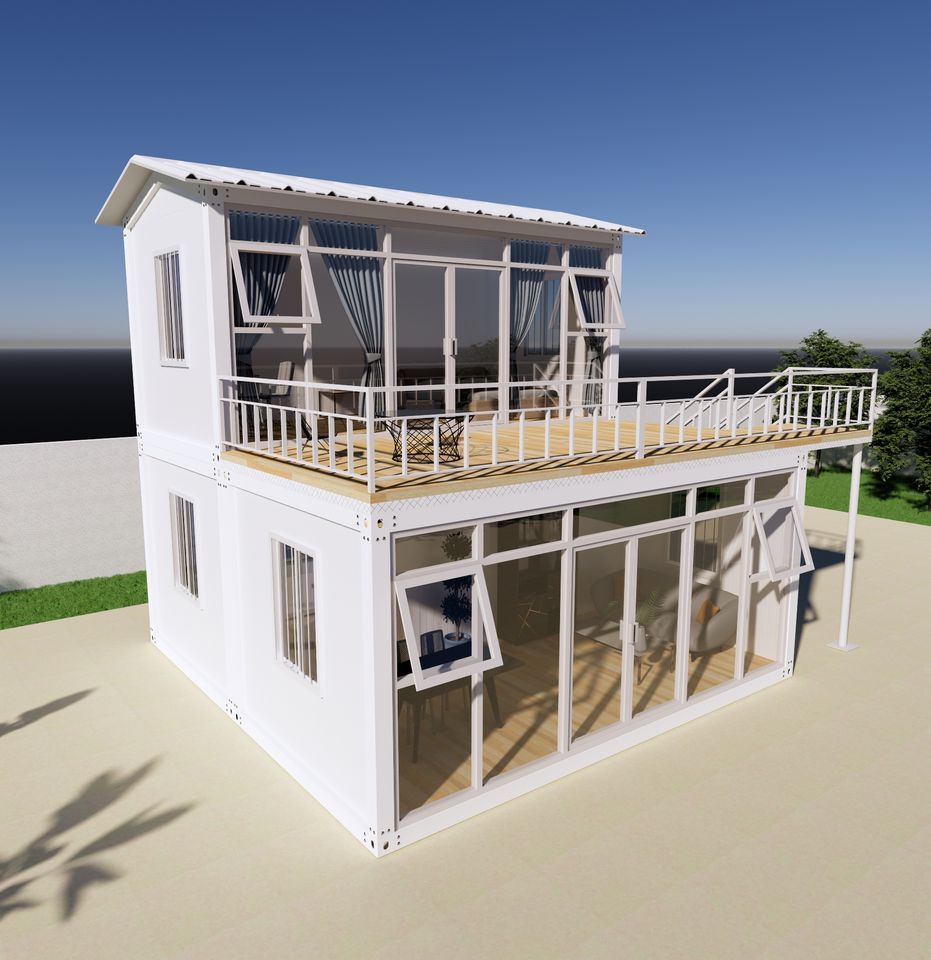
Design should balance functionality and scenario adaptability. In terms of structure and function, foldable designs save space and are suitable for vehicle storage or home storage. Integrated seats, lids, and toilet paper holders enhance convenience for outdoor use. Universal designs for both adults and children expand the user base. In terms of size and layout, modular public toilets support customization of size and layout, making them suitable for scenic spots, construction sites, etc. They can be quickly put into use after factory prefabrication by simply connecting water and electricity. For example, lightweight and foldable portable toilets are preferred for camping scenarios, while modular public toilets are needed for construction sites to meet the needs of multiple users.
3. Cost Control in Bulk Production
Bulk production requires balancing unit price and minimum order quantity. The pricing strategy for the Auto Wrapping Toilet is as follows: $400 per unit for 500-999 units, $350 per unit for 1000-9999 units, and $340 per unit for over 10,000 units, showing significant economies of scale. The Modular Public Toilet is priced between $130 and $500 per unit and supports total project solutions with online technical support. It is recommended to select the optimal price range based on the order size and reduce unit costs through long-term cooperation.
4. Service Guarantees and Scenario Adaptability
Manufacturers should provide services such as sample testing, pre-shipment inspection, platform transaction protection, and after-sales dispute resolution to ensure product quality and delivery stability. Modular toilets should support rainwater and corrosion-resistant designs to adapt to long-term outdoor use. Application scenarios include outdoor activities (camping, traveling, music festivals), emergencies (natural disasters, temporary medical points), public facilities (parks, construction sites, tourist attractions), and special needs (elderly care, children's toilet training). When customizing, functional priorities should be adjusted according to the scenario.



