Quality of Space Capsule Prefabricated Houses
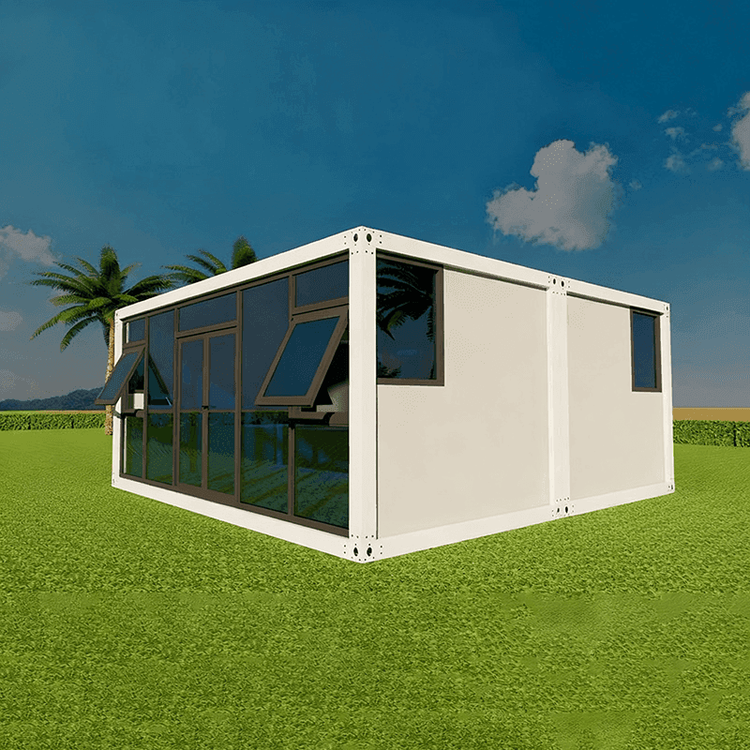
High-quality space capsule prefabricated houses are reliable, featuring excellent thermal insulation, structural safety, efficient construction, and high technological integration, but they may carry quality risks depending on the manufacturer.

I. Core Advantages of High-Quality Space Capsule Prefabricated Houses
Excellent Thermal Insulation Performance
Employing a double-layer hollow design filled with insulation materials, these houses effectively block external heat in summer and retain indoor warmth in winter, reducing the need for air conditioning and heating. Their energy consumption is over 30% lower than that of traditional houses, making them suitable for long-term residence or commercial operations.High Structural Safety Rating
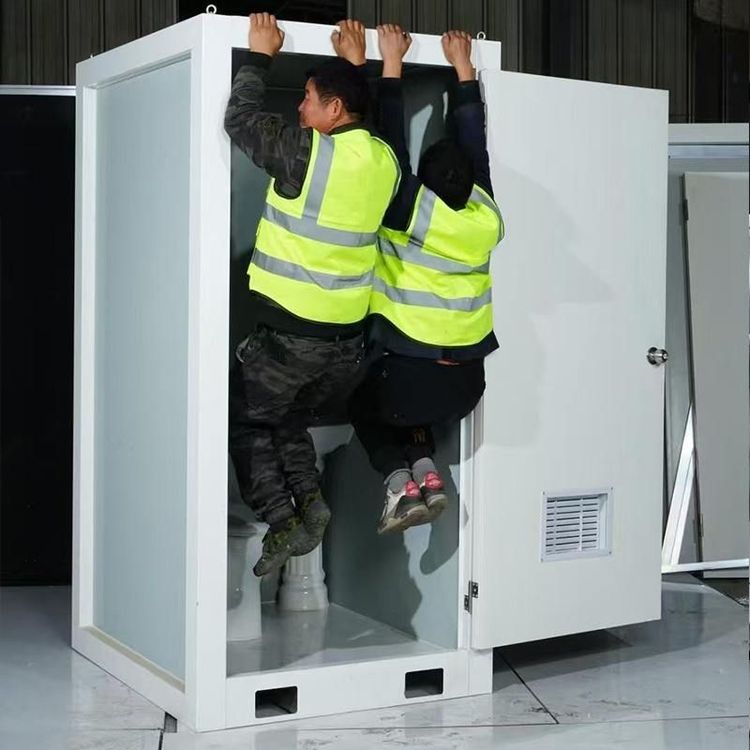
The modular assembly design, combined with materials such as aviation aluminum and steel structural frames, enables these houses to withstand wind speeds of over 12 levels and offer superior earthquake resistance compared to brick-and-mortar houses, with some products capable of withstanding earthquakes of magnitude 9. The structural loads are professionally calculated to handle extreme weather and geological conditions.Significantly Improved Construction Efficiency
Components are prefabricated in factories, with on-site assembly taking as little as 10 days, greatly shortening the construction period. Additionally, factory production reduces construction waste on-site, aligning with green building principles.Outstanding Technological Integration
These houses typically come pre-installed with intelligent control systems that support remote or voice control of lighting, curtains, air conditioning, and other devices, enhancing living convenience. Some products also integrate environmental monitoring functions to adjust indoor temperature, humidity, and air quality in real-time.
II. Potential Quality Risks and Considerations
Production Compliance Risks
To cut costs, some manufacturers may have issues such as excessively large gaps in shell assembly, insufficient insulation layer thickness, or an inability to provide complete structural safety inspection reports, leading to project acceptance failures or delayed openings.Material and Process Defects
Low-priced products from unqualified workshops may lack corrosion protection or fail to meet fire safety standards. In high-humidity, high-salt environments like coastal areas, structural rusting may occur within 3-5 years, with subsequent maintenance costs far exceeding initial savings.Inadequate Design Adaptability
If manufacturers lack structural engineers, special requirements such as irregular curved surfaces or oversized cantilevered structures may not undergo load calculations, leading to safety hazards like curtain wall explosions or loose connections after delivery.Qualification and Filing Issues
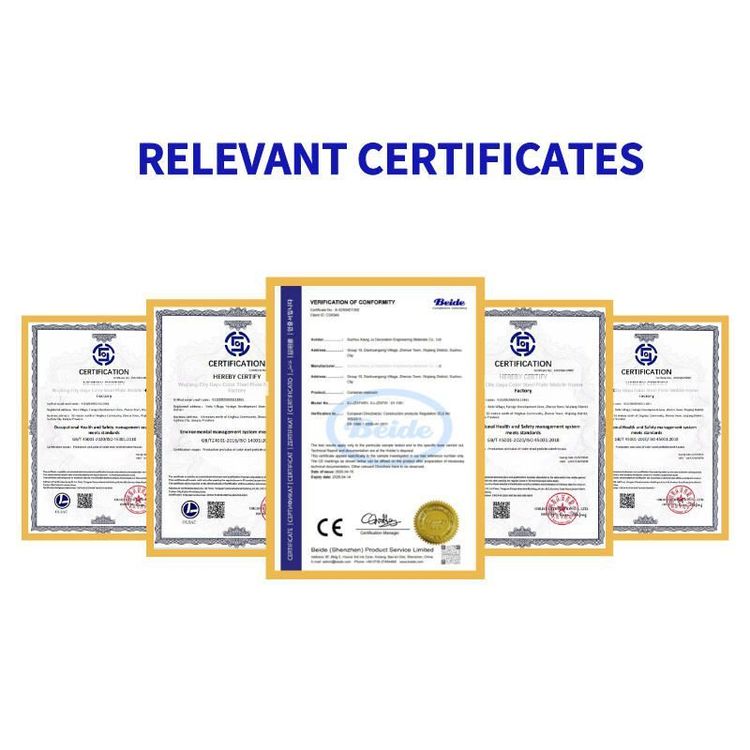
Small-scale assemblers without 'Construction Engineering Product Certification' or relevant quality inspection reports may cause difficulties for purchasers in legally filing homestays, affecting long-term operational compliance.
Conclusion: When selecting space capsule prefabricated houses, it is essential to prioritize examining the manufacturer's qualifications, material standards, and past project cases to avoid overlooking core quality indicators due to low prices or design gimmicks.