
40-Year-Old Prefabricated Panel Houses
Whether 40-year-old prefabricated panel houses need to be demolished depends primarily on safety assessment results. The policy guidance focuses on “ensuring safety and improving people's livelihoods,” with large-scale demolition no longer being the mainstream approach.
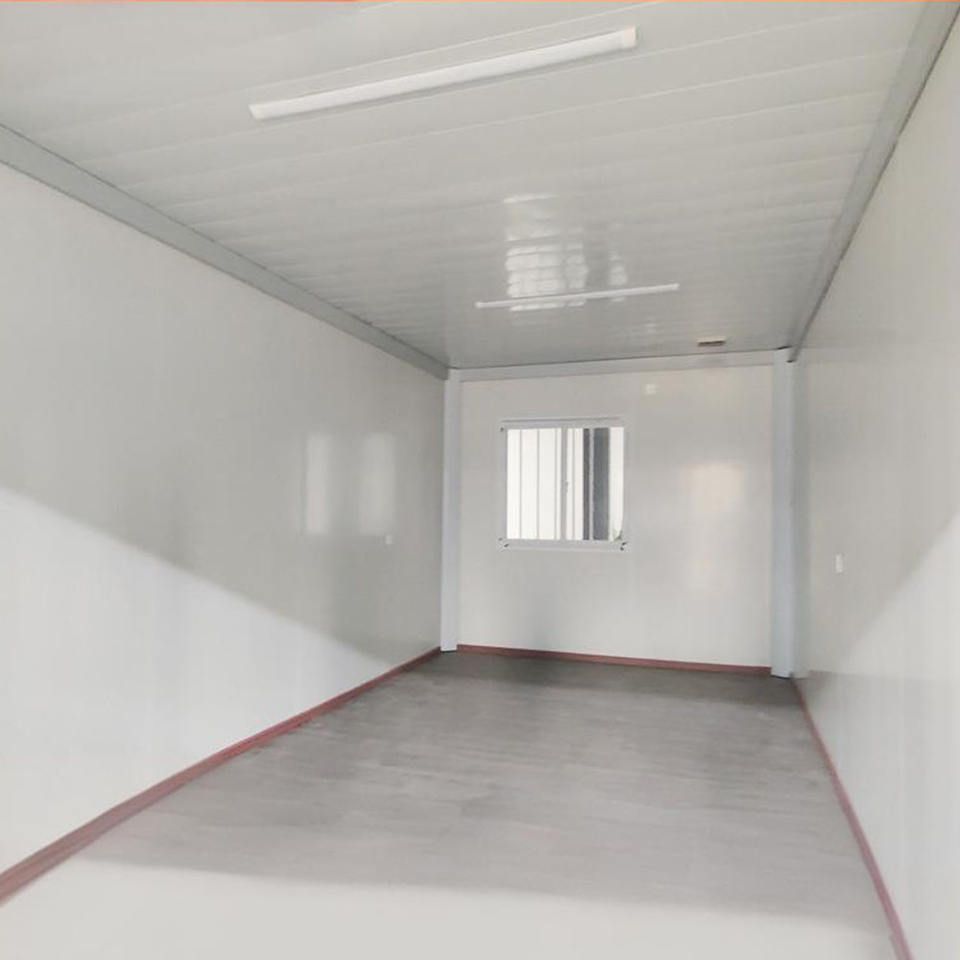
I. Current Status and Risk Assessment of Houses
Prefabricated panel houses were mostly built in the 1980s and 1990s, with a designed service life typically of 50 years and theoretically habitable for up to 70 years. However, due to environmental factors and material aging, issues such as wall cracking, sewer blockages, and roof leaks often emerge around the 40-year mark. In rural areas, the risk is more pronounced due to poor earthquake resistance (e.g., most collapsed houses in the Wenchuan earthquake were prefabricated panel structures).
According to the “15th Five-Year Plan for Urban Renewal,” house disposal requires classification through professional safety assessments:
- Grade A/B houses: The structure is generally safe, and living conditions can be improved through renovation of old residential areas (e.g., roof repairs, pipe replacements, elevator installations), with no need for demolition.
- Grade C dilapidated houses: Local load-bearing structures have insufficient capacity and require repair and reinforcement (e.g., wall, beam, column, and floor slab reinforcement, as well as earthquake resistance enhancement). The central budget supports 70% of the total project investment.
- Grade D dilapidated houses: The overall structural load-bearing capacity is severely insufficient. Priority is given to demolition and reconstruction or inclusion in original demolition and reconstruction pilots (e.g., Wuhan requires agreement from more than 80% of owners). Forced demolition occurs only when land is needed for subway construction, main road expansion, or when significant safety hazards exist.
II. Policy Guidance and Classification Disposal
The Ministry of Housing and Urban-Rural Development has emphasized “strictly controlling large-scale demolition and construction.” In urban renewal, the demolished area must not exceed 20% of the current total building area, targeting only Grade D dilapidated houses or plots needed for public interests. The governance of prefabricated panel houses is based on safety assessment results, with priority given to renovating Grade C and D dilapidated houses and non-self-contained housing (e.g., housing without independent kitchens and bathrooms), with plans to renovate more than 500,000 units (rooms).
In rural areas, if prefabricated panel houses have structural hazards, insufficient fire exits, substandard earthquake resistance, and cannot be resolved through ordinary renovations, they may be included in the demolition scope. However, this requires long-term investment and cannot fully address material and structural defects. Reconstruction can use eco-friendly materials and enhance safety, aligning with the needs of beautiful rural construction.
III. Action Recommendations for Residents
- Confirm the house safety grade: Contact the local housing and urban-rural development department or a professional agency for an assessment to determine whether the house is dilapidated and its grade.
- Inquire about renewal plans: Check government websites or community notices to understand local urban renewal or expropriation plans and determine whether the house is within the scope of renovation or demolition.
- Clarify property rights and communicate intentions: Confirm the property ownership of the house and discuss renovation or reconstruction intentions with neighbors to ensure compliance with pilot policy requirements (e.g., original demolition and reconstruction require agreement from more than 80% of owners).
- Calculate costs and subsidies: Understand government subsidy standards, personal cost burdens, and housing provident fund withdrawal policies in advance to reduce financial pressure.



