
Rizhao Mobile Rural Toilet Renovation
Rizhao's mobile rural toilet renovation replaces traditional fixed public toilets with mobile toilets, featuring convenient construction, environmental efficiency, and flexible applicability, making it an important solution for upgrading rural sanitation facilities.

Significant Construction Advantages, Saving Resources and Costs
Traditional fixed public toilets require complex processes such as site selection, material procurement, construction, and completion, which are time-consuming, labor-intensive, and costly. In contrast, mobile toilet units are prefabricated by manufacturers and can be directly installed and used, significantly shortening the construction period and reducing material, financial, and labor inputs. For example, in densely populated rural areas or temporary event venues, mobile toilets can be quickly deployed to meet urgent needs.
Diverse Environmental Technologies, Reducing Pollution Risks
Mobile toilets achieve environmental goals through multiple technologies:
- Water Conservation and Urine Treatment: They adopt water-saving modes, with some models collecting urine and adding special agents (free of heavy metals and phosphorus) for odorless storage for several months. Simultaneously, urine is used to flush feces, which are then crushed to inhibit bacterial growth, reducing the risk of cross-infection.
- Fecal Resource Utilization: Some models recycle water from feces for flushing or utilize solar power generation technology, saving water and electricity resources.
- Flush-Free Packaging Technology: For instance, the flush-free packaging toilet units developed by Cangzhou Hengtai package feces with biodegradable films, eliminating the need for water supply facilities and being suitable for rural areas without water and sewage systems, aligning with traditional squatting habits.
Classified Renovation Approaches, Adapting to Different Scenarios
Rizhao's rural toilet renovation adheres to the principle of "adapting measures to local conditions":
- Southern Regions: Villages with dense populations and covered sewage networks adopt flush-type mobile toilets that connect with existing networks to enhance sanitation levels.
- Northern Regions: High-altitude and low-temperature villages use deep-buried three-chamber septic tanks that leverage natural conditions for fecal treatment, reducing the risk of freeze-cracking.
- Other Scenarios: Mobile toilets can also be deployed in public places such as stations, tourist attractions, and construction sites, with diverse material options (e.g., color-coated steel plates, anti-corrosion wood) and flexible sewage disposal methods (flushing, packaging, microbial decomposition, etc.), meeting different environmental requirements.
Comprehensive Manufacturer Support, Facilitating Technology Implementation
Companies like Cangzhou Hengtai Sanitation Equipment Co., Ltd. provide full-chain services for mobile toilets, with products covering rural areas and supporting customized designs. Their technological accumulation and case experience offer reliable product and implementation guarantees for Rizhao's rural toilet renovation, aiding in the modernization transformation of rural sanitation facilities.
You may also like

Portable Toilet for Energy Efficiency Solutions: A Buying Guide
Read More
Container House Custom Explained: How to Choose the Right One
Read More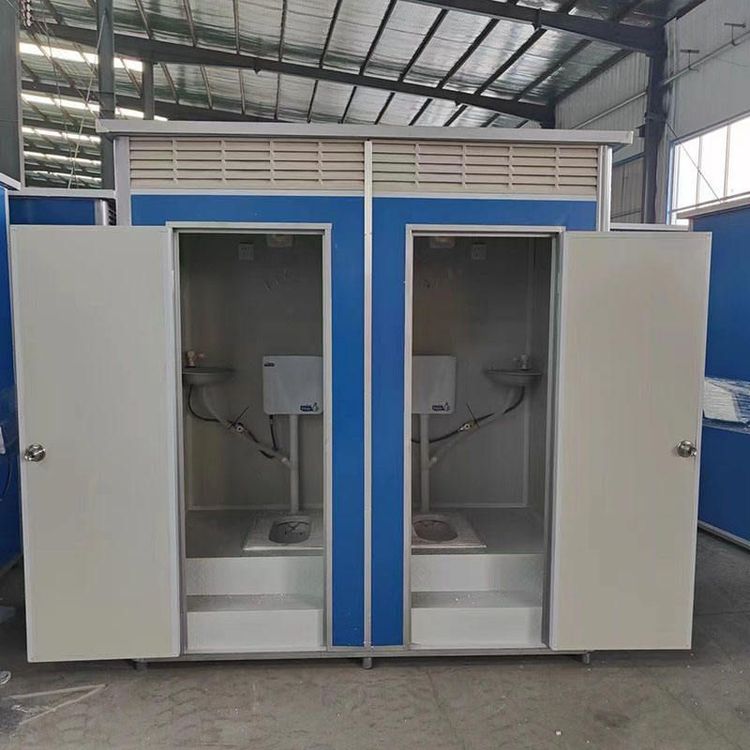
Portable Toilet Design Custom & OEM: Design & Bulk Production Guide
Read More