Container House Custom Explained: How to Choose the Right One
Choosing the right container house requires a comprehensive consideration of type, customization capabilities, material durability, production and delivery, and reference to professional experience.

1. Define the Type Based on Needs
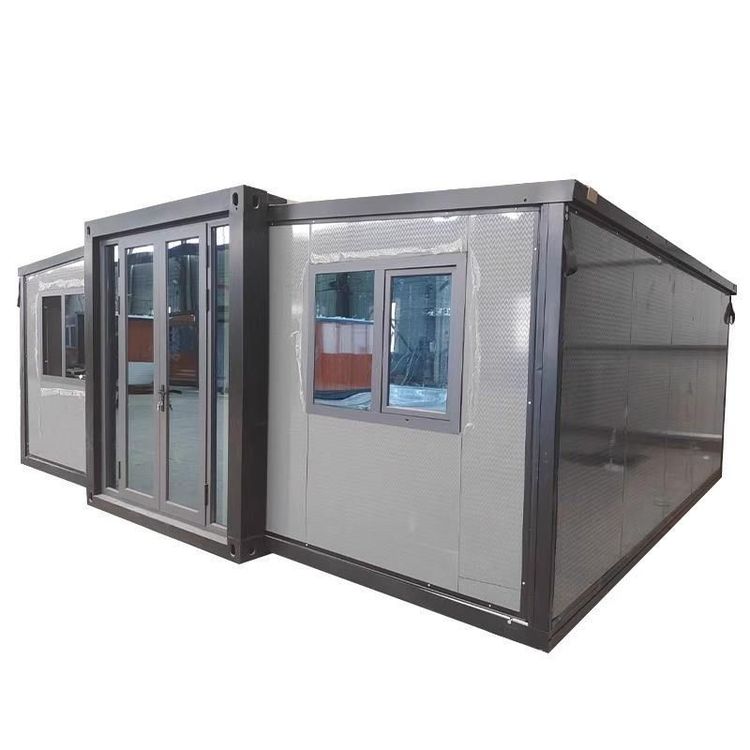
Container houses come in various types and should be selected based on the intended use. Expandable models, with their foldable or telescopic designs, enable quick installation and transportation, making them suitable for emergency housing or temporary event venues. Luxury models are equipped with modern facilities (such as smart home systems and high-end bathrooms) to meet long-term living needs. Prefabricated compact models have a compact structure, suitable for small residential units or independent studios. Portable models are lightweight and easy to move, commonly used for construction site offices, campsites, or temporary exhibition spaces. After clarifying the purpose, prioritize matching types to avoid functional redundancy or deficiency.
2. Evaluate Customization Flexibility
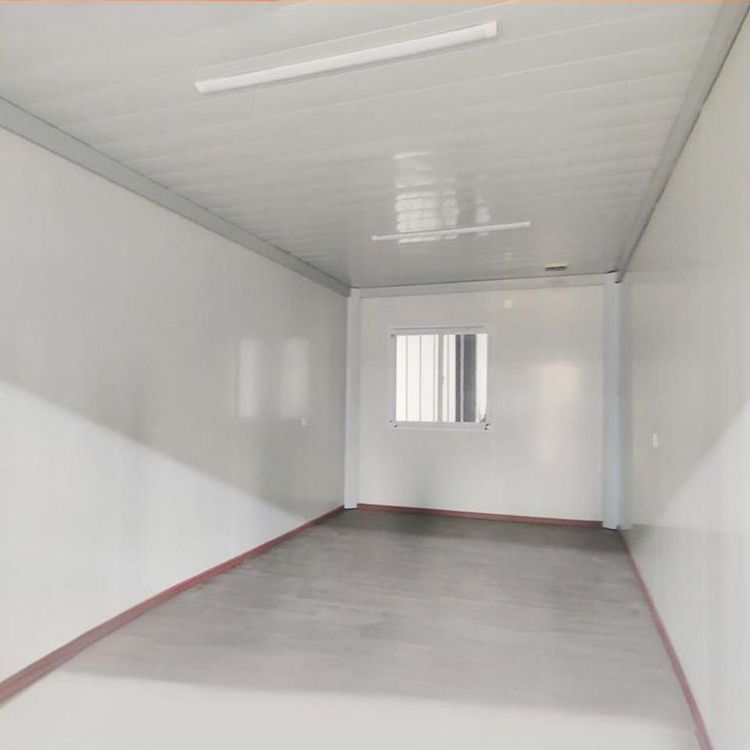
Modular design supports a high degree of customization, and it is essential to assess the supplier's modification capabilities. In terms of layout, you can adjust the positions of doors and windows, add partitions, or design multi-story structures. For size, expand the space by combining multiple standard containers (such as 20-foot or 40-foot units) to form residential, dormitory, or commercial buildings. Interior decoration should consider thermal insulation, sound insulation, and eco-friendly materials (such as rock wool sandwich panels). Choosing a supplier that offers 3D design simulations allows you to preview the effects in advance and optimize the plan.
3. Verify Material and Durability
Materials directly affect the lifespan and safety of the house. The frame should be made of galvanized steel, which has better corrosion resistance than ordinary steel and is suitable for humid or rainy areas. For the walls, waterproof sandwich panels (such as those filled with polyurethane or glass wool) are recommended for their insulation and fire resistance. If the roof uses weathering steel (such as Corten steel), it can form a dense oxide layer that resists extreme weather (such as strong winds and heavy snow) without painting. Additionally, inspect the welding process and the strength of connecting components to ensure structural stability.
4. Confirm Production and Delivery Capabilities
Choosing a supplier with factory-standardized production can reduce on-site construction errors and shorten the project timeline. Prioritize examining their global delivery cases to confirm whether they possess cross-border transportation qualifications (such as ISO maritime standards) and a localized installation team. For example, some suppliers offer “turnkey” services, covering the entire process from design and production to on-site assembly, which is suitable for users lacking construction experience.
5. Refer to Professional Construction Experience
Industry practices indicate that a lack of professional guidance can easily lead to cost overruns or functional defects. You can learn from the experiences of seasoned builders like Adam Ketcher, such as avoiding blindly pursuing low prices at the expense of material quality, planning water and electricity lines in advance to reduce later modifications, and selecting suppliers with certified qualifications (such as ISO 9001 quality management systems). Additionally, consulting feedback from users of completed projects can provide a more intuitive assessment of the supplier's reliability.
By systematically evaluating the above points, you can efficiently screen out container house solutions that meet your needs and offer high cost-effectiveness.