Portable Toilet Design Custom & OEM: Design & Bulk Production Guide
The custom design and bulk production of portable toilets require comprehensive consideration of functional adaptability, structural stability, and cost-efficiency. The core process can be divided into five modules: design, materials, functionality, production, and customization advantages.
1. Design Phase: Balancing Contextualization and Personalization
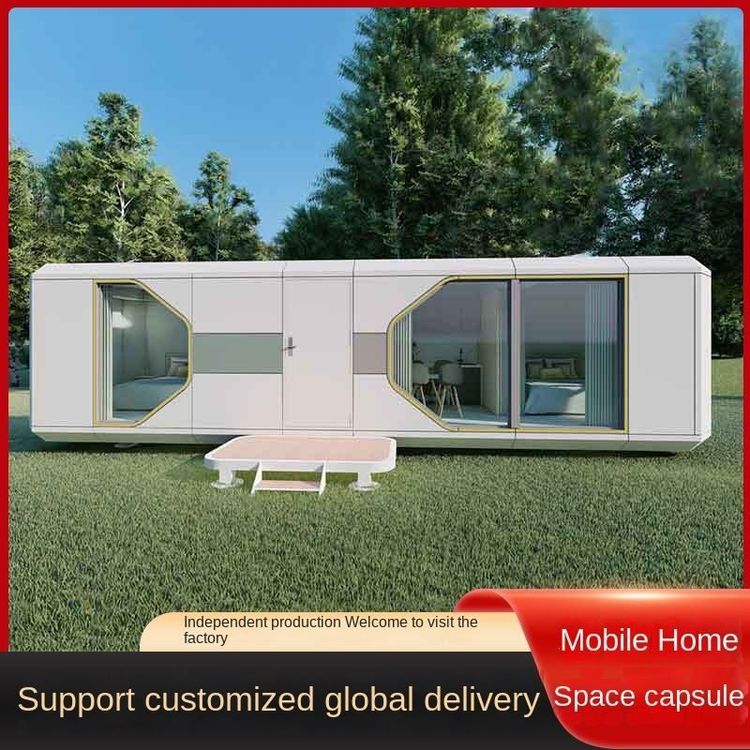
Design must determine core parameters based on usage scenarios (e.g., tourist attractions, temporary construction sites, commercial streets): foot traffic dictates the number of stalls, while access conditions (e.g., water and electricity supply) influence plumbing solutions. Some manufacturers offer full customization services, allowing adjustments to size, appearance (e.g., space capsule or Apple-style pod designs), color, and internal layout, with free 3D design renderings provided. For example, high-end products may feature galvanized steel chassis frames paired with fiberglass panels, incorporating insulation layers for extreme climates.
2. Materials and Structure: Balancing Strength and Lightweight Design
The main frame consists of metal structural components (square steel, channel steel), connected via welding or bolts to form a load-bearing system. Critical welds must pass wind resistance tests to verify structural integrity. Wall materials must balance thermal insulation properties, with common options including fiberglass-reinforced plastic, metal embossed panels, stainless steel, and other composite panels. High-end products may adopt modular designs for rapid assembly and transportation.
3. Functional Configuration: Covering Basic Needs and Specialized Scenarios
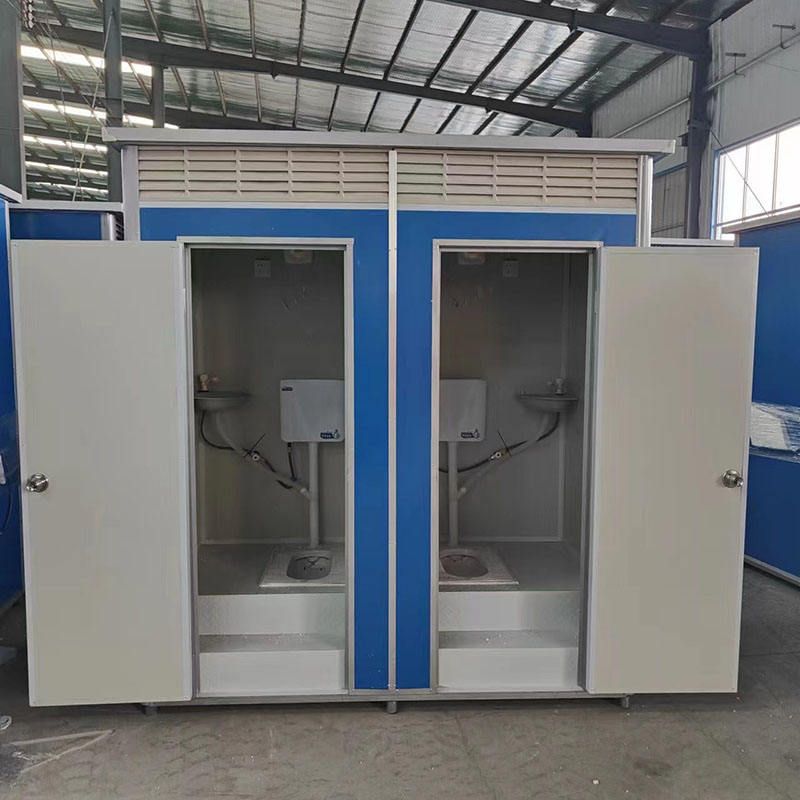
Standard internal features include toilet units, sinks, mirrors, coat hooks, exhaust fans, and lighting systems; accessibility needs can be addressed with grab bars and widened doorways. Waste disposal options include flush systems (requiring municipal sewer or septic tank connections) and non-flush systems (e.g., microbial degradation, bagging collection). Some products come equipped with complete water systems, including freshwater and wastewater tanks, suitable for scenarios without municipal water supply. Ergonomic seating designs accommodate both adults and children, enhancing user experience.
4. Bulk Production Process: Synergy Between Standardization and Efficiency
The production process is divided into three stages: processing, assembly, and testing. Precision control is essential during steel cutting, bending, welding, and coating, as weld quality directly impacts structural strength. The assembly phase completes wall, floor, sanitary equipment, and system installations in the factory, significantly reducing on-site work time. Testing includes wind resistance tests, water tightness tests, and compliance with international certifications like CE/DOT.
5. Customization Advantages: Scenario Adaptation and Environmental Compliance
Customization enables unique exterior designs to suit diverse environments; compliance with German and French EPR certifications ensures adherence to strict environmental packaging standards. Flexible minimum order quantities (typically starting at 1 unit) support sample purchases (e.g., US$10,800 per unit), with price ranges from US$3,000.00 to US$14,000.00 per unit, catering to both small-batch and large-scale demands.