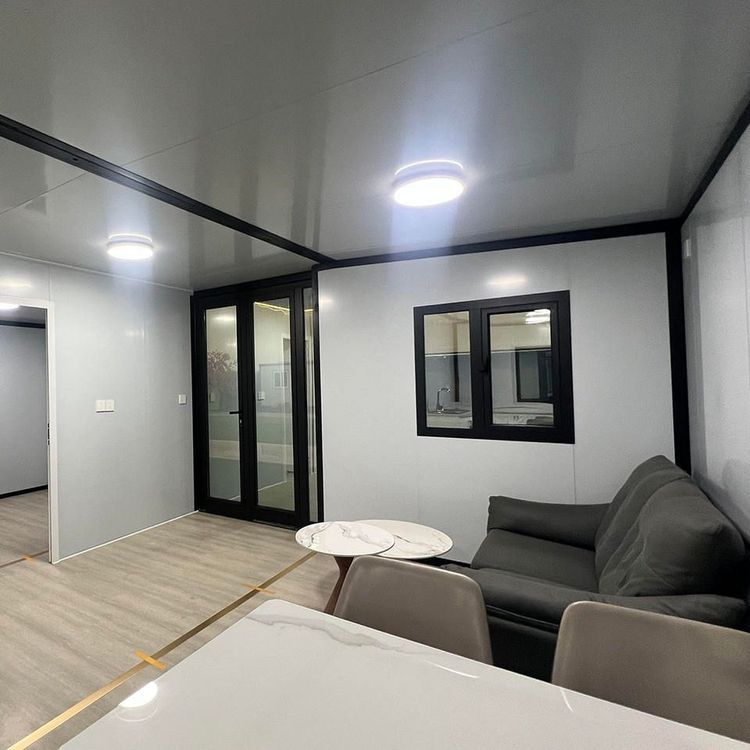
How About Prefabricated Structure Houses
Prefabricated structure houses offer advantages such as short construction periods, high cost-effectiveness, and energy efficiency and environmental protection, but they also have drawbacks like quality risks and issues with sound insulation and waterproofing. They are suitable for single-story projects with tight budgets and urgent timelines, and attention should be paid to construction quality and post-construction maintenance.
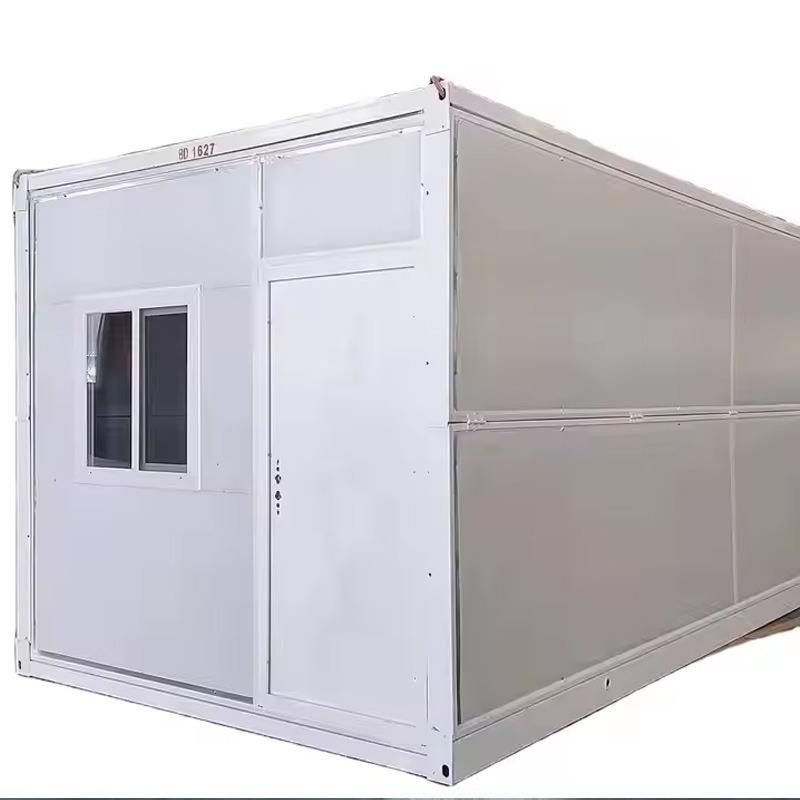
I. Core Advantages
- Short Construction Period: Prefabricated structure houses are produced through factory modularization and assembled on-site, reducing the construction period by more than 60% compared to traditional buildings. For example, cement prefabricated houses are 60-70% faster to build than traditional houses, with modules being ready for shipment in 7 days and frame construction taking only a few days.
- High Cost-Effectiveness: The cost of the main structure is about 30% lower than that of brick houses, allowing ordinary families to save tens of thousands of yuan. Factory-based unified production reduces material waste, and post-construction maintenance costs are also lower.
- Energy Efficiency and Environmental Protection: They have a high recycling rate of construction waste, reduce carbon emissions by 50%, and some projects have received international environmental certifications.
- Controllable Quality: Factory prefabrication results in small errors, superior seismic performance compared to traditional buildings, and less overall settlement.
- Flexible Maintenance: Modular design facilitates repairs, allowing for targeted replacement of damaged components.
II. Main Drawbacks
- Quality Risks: If construction is not standardized, issues such as foundation settlement or wall cracks may occur, with more prominent problems in low-temperature construction environments. Some cases show that maintenance costs after 5 years account for 25% of the construction cost.
- Sound Insulation and Waterproofing Issues: Prefabricated panels have poor sound insulation, and the water leakage rate at joints is nearly twice that of traditional buildings, requiring regular leak-proofing treatment.
- Cost Fluctuations: After cement price increases, the cost advantage of prefabricated houses diminishes; in remote areas, freight costs may account for 5% of the total cost.
- Design Limitations: Currently, they are only suitable for low-rise buildings, with exterior facades prone to 15%-20% color differences, requiring regular maintenance.
III. Market and Applications Prefabricated structure houses have seen significant growth in domestic and international markets. In the first four months of 2026, export volumes of mobile houses from Guangzhou and Shenzhen increased by 38.1% and 19.6% year-on-year, respectively; the global market size is expected to exceed $142.8 billion by 2030. Their main application scenarios are single-story projects with tight budgets and urgent timelines. In European and American countries, due to high labor costs and a housing shortage, there is strong demand for prefabricated houses.
IV. Conclusion Prefabricated structure houses are suitable for scenarios that prioritize efficiency and cost-effectiveness. However, strict control over construction quality is necessary, along with regular maintenance for sound insulation and waterproofing issues, and attention to the impact of material price fluctuations on costs.