Container House: The Complete Buying Guide
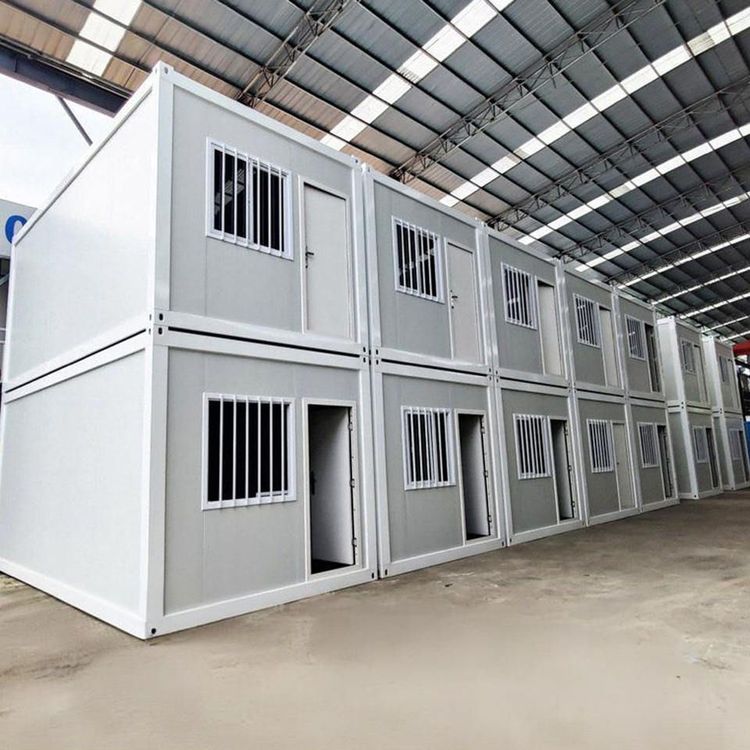
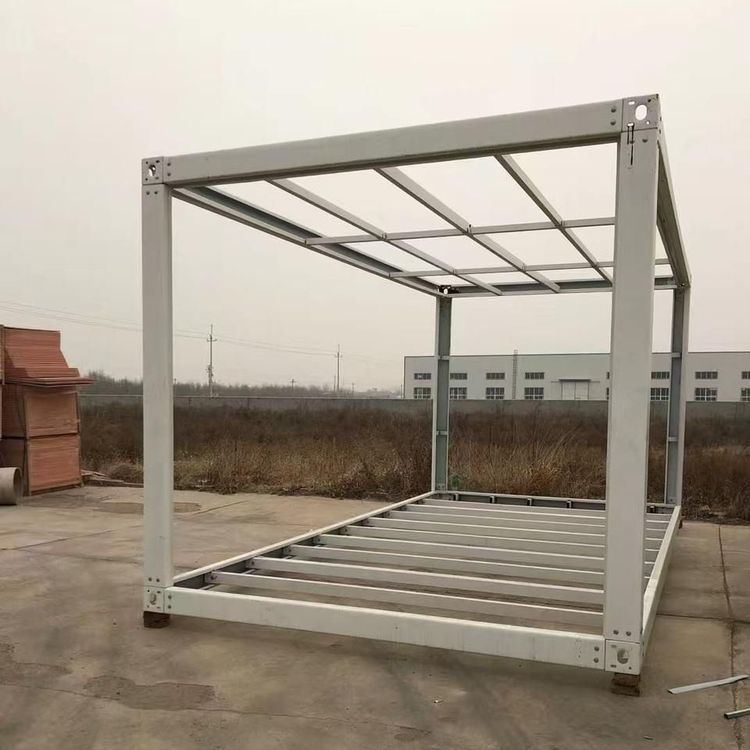
Container houses are prefabricated buildings primarily structured with containers or light steel frames, offering advantages such as rapid construction, flexible mobility, environmental protection, and energy efficiency. They are suitable for temporary buildings, commercial spaces, special environments, and creative design scenarios. When purchasing, attention should be paid to manufacturer qualifications, material processes, transportation, installation, and compliance.

Core Advantages
Rapid Construction and Flexible Mobility
The main structure is prefabricated in the factory, requiring only on-site hoisting and assembly, resulting in a short construction period and minimal weather impact. The house can be relocated or reassembled as a whole, making it suitable for temporary or long-term use scenarios, such as post-disaster relief and construction site dormitories.Environmental Protection, Energy Efficiency, and Terrain Adaptability
Light steel materials are recyclable, generating less construction waste and aligning with green building trends. Their lightweight nature reduces foundation requirements, making them suitable for complex terrains such as mountainous areas and post-disaster zones.Comfortable Living and Safe Durability
Integrated insulation, soundproofing, and fire-resistant materials ensure warmth in winter and coolness in summer, with a lifespan of several decades. The light steel structure, combined with reliable connections, can withstand earthquakes and strong winds, offering superior safety compared to ordinary temporary buildings.
Purchase Recommendations
Choose Professional Manufacturers
Prioritize comprehensive enterprises that integrate design, production, construction, and after-sales services, ensuring they possess modern production equipment, strict quality control processes, and global service capabilities. For example, enterprises like Shandong Kaweiying and Xinheng Integrated House have large-scale production bases and export experience.Verify Materials and Processes
Confirm the use of galvanized steel, fire-resistant, and waterproof materials, and ensure they have passed multiple quality inspections. For instance, Xinheng's products can adapt to harsh environments like mines, exhibiting excellent corrosion and mold resistance.Consider Transportation and Installation
Opt for foldable or flat-packed structures to reduce transportation costs and confirm whether the manufacturer provides rapid installation services. For example, Xinheng's foldable houses can load 10-14 units in a single 40-foot container, with a delivery period of only 14 days.Key Points to Avoid Pitfalls
- Legal Compliance: Confirm local building code requirements in advance to avoid the risk of illegal demolition.
- Cost Budgeting: Beware of low-price traps and ensure that transportation, installation, and post-maintenance costs are included.
- Sustainability: Prioritize recyclable materials or second-hand container renovation projects, such as the Orange Box project in Mumbai, India.
Typical Application Scenarios
- Temporary Buildings: Construction site dormitories, post-disaster transitional housing, and event exhibition halls.
- Commercial Spaces: Cultural tourism homestays, cafes, offices, and fast-food restaurants.
- Special Environments: Mines, remote area residences, and outdoor living.
- Creative Design: L-shaped houses and expandable studios.