Prefabricated Houses Made from Panels
Prefabricated houses made from panels are a type of prefabricated assembly building, primarily encompassing panel-based prefabricated buildings. The following provides a detailed introduction from the perspectives of definition, components, advantages, development history, and type expansion:

Definition and Components
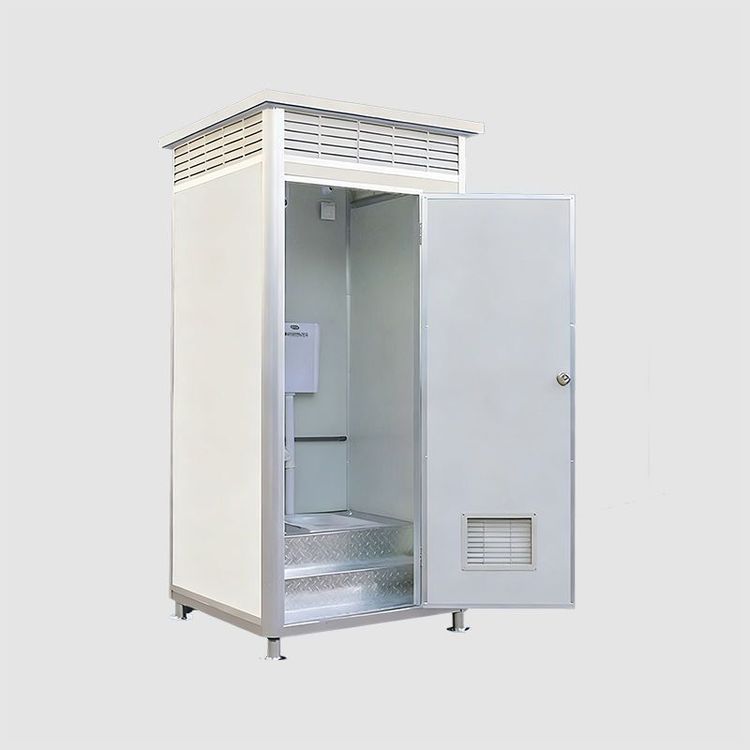
Prefabricated assembly buildings are constructed by producing building components industrially and assembling them on-site. Prefabricated houses made from panels use prefabricated wall panels and floor slabs as their core components, which are manufactured in factories and feature standardization and modularization. For example, prefabricated panel houses use prefabricated panels as their main components. These panels are factory-made cement components available in solid and hollow types. The hollow structure achieves lightweighting by reducing the concrete in non-load-bearing parts, ensuring structural strength while lowering material consumption and transportation costs.
Advantages
- Shortened Construction Period: Since components are prefabricated in factories, on-site assembly reduces the complexity and time of construction, significantly shortening the overall construction cycle.
- Reduced Pollution: Industrial production minimizes on-site wet work, reducing dust, noise, and other pollution, aligning with the development trend of green buildings.
- Quality Control: Factory production enables strict control over component quality, reducing the impact of human factors on construction quality and enhancing the reliability and durability of buildings.
Development History
Prefabricated assembly buildings originated in the early 20th century and gradually spread globally with the development of industrialization and urbanization. In China, residential buildings constructed before 1985 often adopted prefabricated panel house structures, reflecting the demand for rapid and economical construction at that time. With technological advancements, the forms and functions of prefabricated assembly buildings have continuously enriched, evolving towards higher integration levels.
Type Expansion
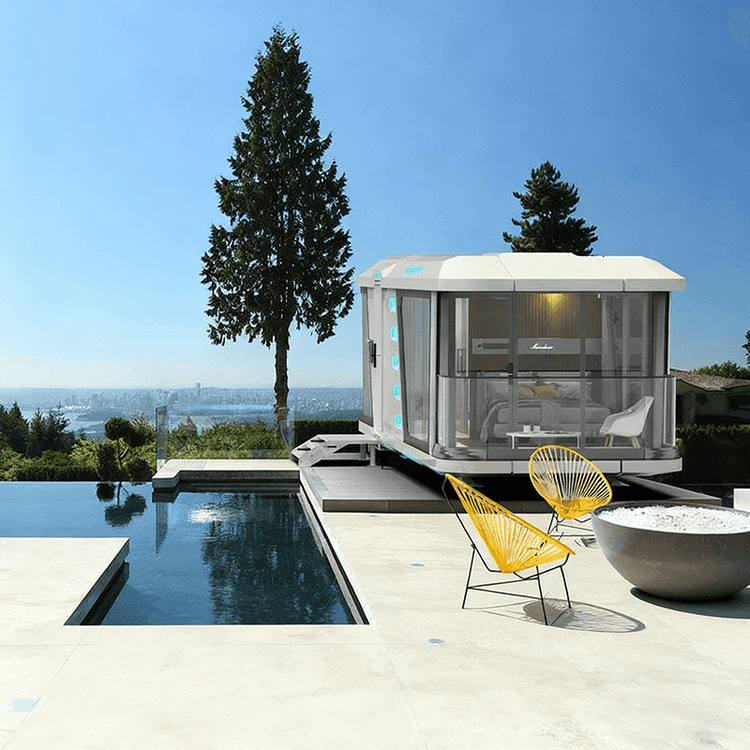
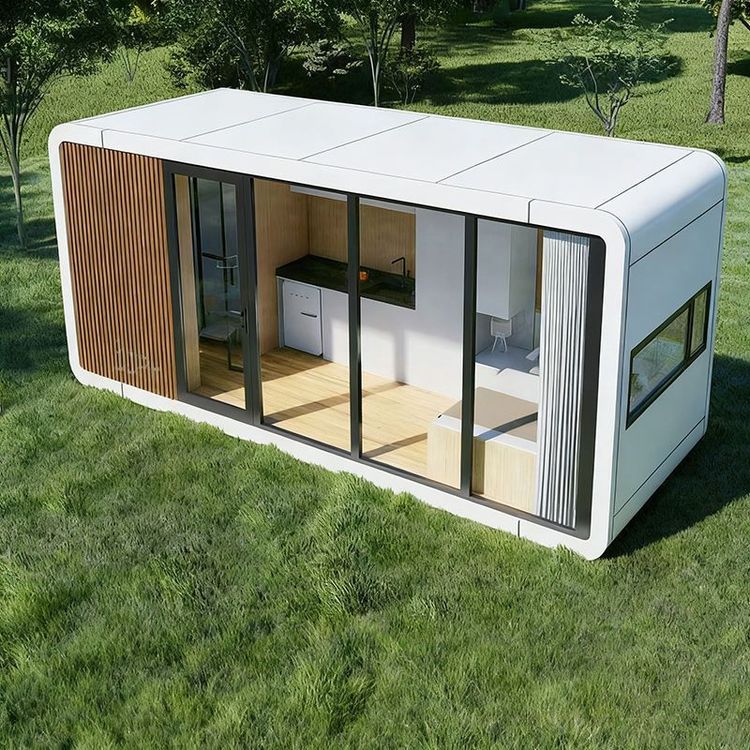
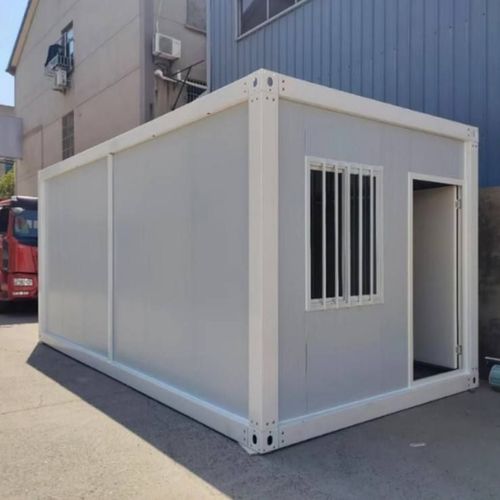
Modular buildings represent a higher level of integration within prefabricated assembly buildings, breaking down buildings into independent modules that are manufactured in factories and then transported to construction sites for assembly. Ceilings, floors, plumbing, and electrical systems are all prefabricated on factory assembly lines, achieving the convenience of "move-in ready" living. Additionally, expandable container houses also fall under the category of prefabricated buildings, with most processes completed in factories and assembled on-site. They offer advantages such as low cost, short delivery times, and comprehensive configurations, making them popular in overseas markets.