Container House For Sale Buying Guide: Options & Tips
When purchasing a container house, it is necessary to consider factors such as purpose, structure, performance, budget, and compliance. Here is a specific guide:
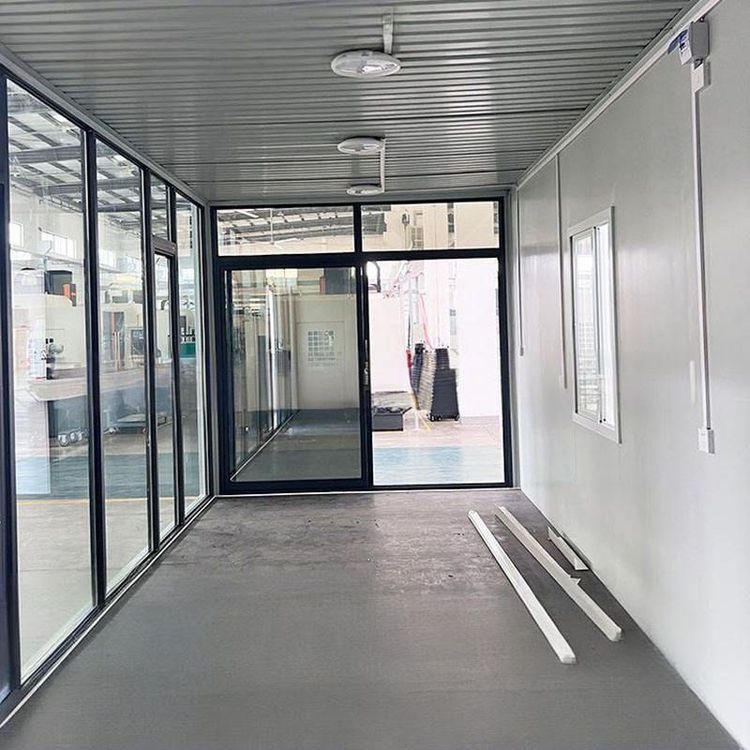
I. Clarify Purpose and Scene Adaptability Container houses are suitable for scenarios such as temporary offices, construction site dormitories, cultural tourism homestays, and post-disaster resettlement. For long-term residence, it is essential to focus on examining thermal insulation, sound insulation, and fire resistance performance. For example, integrating rock wool or polyurethane insulation layers in the walls and equipping them with fire-resistant materials. For commercial or mobile scenarios, structures that support modular expansion should be selected to facilitate horizontal or vertical splicing and adapt to future functional upgrades.
II. Selection of Structural Types
- Refurbished Shipping Containers: Utilizing retired shipping containers for refurbishment is cost-effective. However, it is crucial to strictly inspect for rust, deformation, and structural integrity to avoid safety hazards caused by material aging.
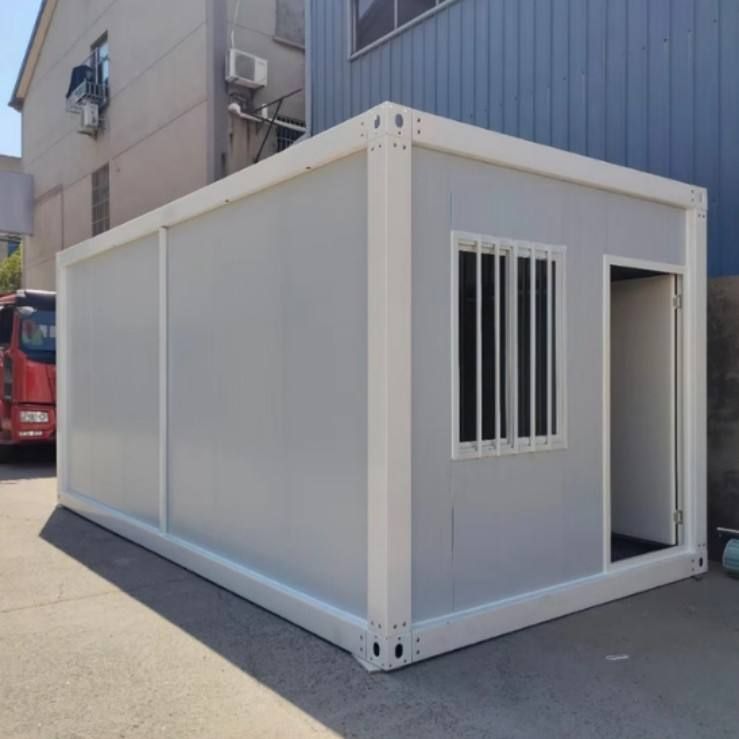
- Prefabricated Modular Houses: Adopting light steel frames or new container-sized modules offers high design flexibility, suitable for long-term use, with a main structural lifespan of up to several decades (hot-dip galvanized or aluminized zinc steel for corrosion resistance).
III. Core Performance Indicators
- Earthquake and Wind Resistance: Light steel structures combined with reliable connection methods (such as high-strength bolts) can withstand high-intensity earthquakes and strong winds.
- Environmental Friendliness: Light steel materials are recyclable, generating less construction waste and aligning with green building trends. Some projects can integrate solar power and rainwater harvesting systems for off-grid living.
- Durability: Prioritize selecting steel materials with adequate corrosion protection to avoid shortened lifespans due to environmental corrosion.
IV. Procurement and Cost Control
- Budget Allocation: New containers offer stable quality but at a higher price. Second-hand containers require inspection for structural integrity and may save costs. Modular design can reduce long-term maintenance costs and is suitable for large-scale applications.
- Manufacturer Selection: Prioritize comprehensive enterprises that integrate design, manufacturing, construction, and after-sales services (such as Shandong Kaweiying Metal Structure Manufacturing Co., Ltd.). Verify qualifications, past cases, and customer reviews to avoid low-price traps.
- Customization Needs: Choose light steel frame structures based on terrain complexity to reduce foundation requirements. Customize internal layouts and facilities according to functional needs (such as office or residential use).
V. Pitfall Avoidance Guide
- Legal Compliance: Confirm local regulations regarding the purpose and construction norms of container houses (such as whether approval is required) to avoid non-compliance risks.
- Material Quality: Avoid using second-hand containers with severe rust or high refurbishment costs. Prioritize steel materials with adequate corrosion protection.
- Construction Team: Select experienced construction teams to ensure on-site assembly quality and avoid structural instability caused by improper construction.
VI. Trends and Added Value Container houses are expected to become a popular global residential choice by 2026 due to their low cost, rapid deployment, and strong sustainability. Modular expansion and off-grid system integration further enhance their adaptability and ecological value.