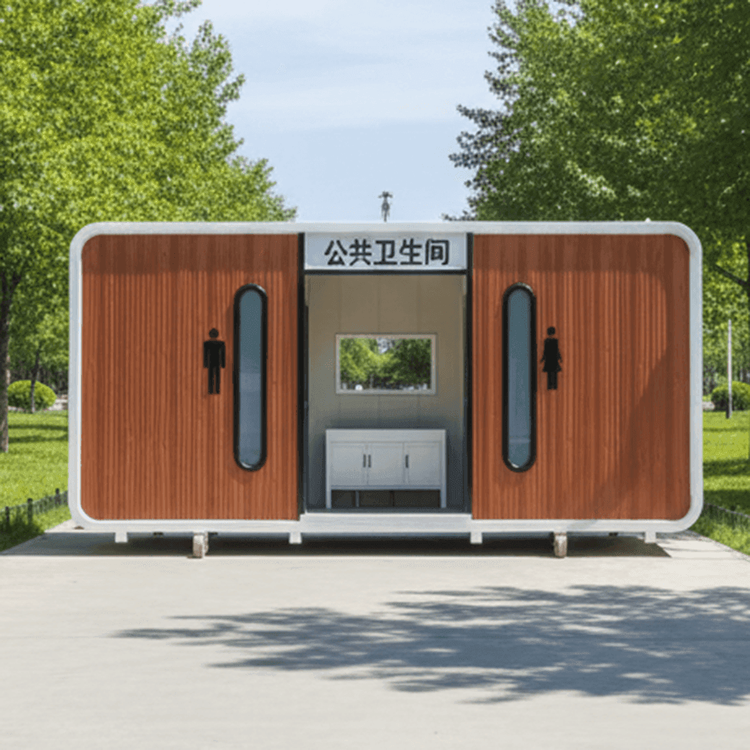
Prefabricated Building Components
Prefabricated building components refer to steel, wood, or concrete building elements pre-manufactured in factories or on construction sites, including beams, slabs, walls, columns, stairs, balconies, etc. Their production and application must comply with the national standard 'Evaluation Standard for Prefabricated Buildings' (GB/T51129-2017).

Core Characteristics
- Reduced Construction Time: Prefabricated components are industrially produced according to standardized drawings, enabling direct on-site assembly to complete building structures. For example, in a case in Henan, a house could be 'assembled' in just 4 hours. This technology is also widely applied in municipal bridges, subway stations, and other projects, significantly improving construction efficiency.
- Stable Quality: Factories employ precise calculations and mold-forming processes to minimize on-site construction errors. Compared to traditional cast-in-place methods, the dimensional accuracy and structural strength of prefabricated components are more controllable, making them particularly suitable for construction projects with high-quality requirements.
- Environmental Protection and Energy Efficiency: The production process of prefabricated components reduces on-site dust and construction waste. Taking Fujian Province as an example, through policy support to promote the application of prefabricated technology, construction waste has been reduced by more than 70%, while also lowering construction noise and energy consumption, aligning with the trend of green building development.
- Lower Costs: The industrial production model allows for scalable replication, reducing unit costs. The Henan case shows that the cost per square meter of a prefabricated house is only a little over 300 yuan, with the total cost of a 200-square-meter rough house being about 60,000 yuan, far lower than traditional construction methods, making it suitable for large-scale promotion.
- Longer Lifespan: Prefabricated components are primarily made of reinforced concrete structures, with a guaranteed main structure lifespan of up to 70 years, equivalent to that of cast-in-place structures. Moreover, their durability is ensured by factory-standardized production, providing higher long-term stability.
Application and Development
Prefabricated component technology has a long history in China, initially used for factory and residential construction in the 1950s. It regained attention in the 21st century due to its production efficiency and environmental advantages. Currently, its application scenarios have expanded to prefabricated buildings, highway expansions, subway station entrances, and exits, among others. Chinese-made prefabricated houses are also popular overseas. For example, in the first four months of 2026, the export value of movable houses in the Guangzhou Customs area reached 1.4 billion yuan, a year-on-year increase of 38.1%, demonstrating strong international market competitiveness.
You may also like
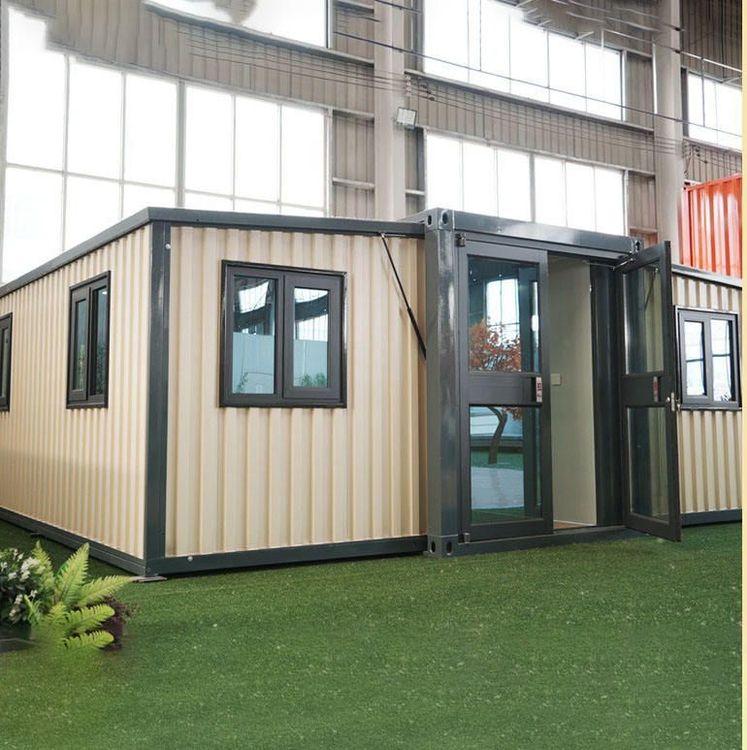
Portable Toilet Furnishing Buying Guide: Options & Tips
Read More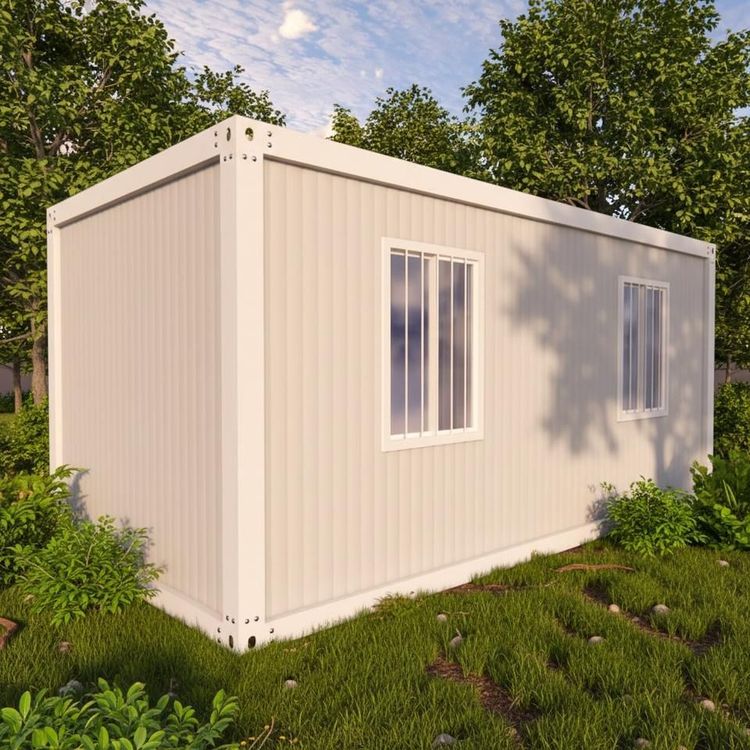
Portable Toilet In Stock Custom & OEM: Design & Bulk Production Guide
Read More
How to Source Portable Toilet Rental Wholesale from China
Read More