
Portable Toilet Furnishing Buying Guide: Options & Tips
In 2026, when purchasing portable toilets, it is essential to focus on type matching, environmental performance, and intelligent functions, selecting the optimal solution based on usage scenarios and budget.
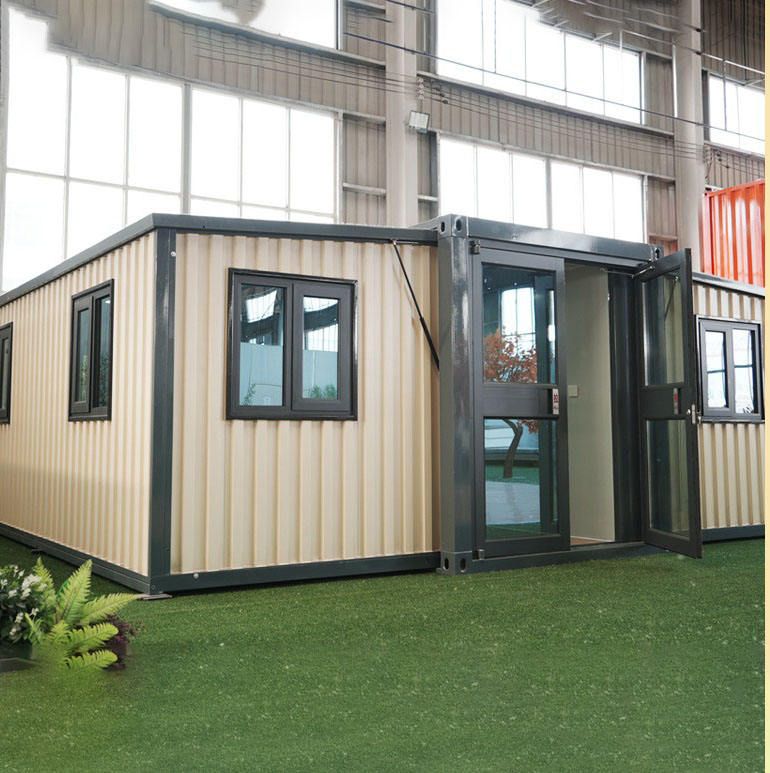
I. Core Types and Suitable Scenarios
Portable Toilets
- Structural Form: Divided into single-unit structures (independent units) and composite structures (modular combinations). The former is suitable for rapid deployment, while the latter can expand capacity.
- Sewage Treatment Methods:
- Flush Type: Relies on a water source and is suitable for places with complete infrastructure, such as stations and docks;
- Waterless Suction Type: Uses vacuum or chemical treatment, suitable for water-scarce environments (e.g., wild construction sites);
- Dry Packing Type: Seals feces for treatment without water, making it the first choice for emergency scenarios (e.g., disaster relief).
- Mobility Methods: Hoisting/handling types are suitable for short-term events, while powered/trailer types can be connected to vehicles to meet long-term mobility needs (e.g., cross-regional construction).
Portable Composting Toilets
- Core Advantages: No wastewater discharge, water and energy conservation, compliance with environmental standards, suitable for RVs, camping, and off-grid living scenarios.
- User Needs: Emphasis on odorlessness, rapid decomposition of feces, and low maintenance costs, driven by factors such as policy pressure (e.g., camping regulations) and increased climate awareness.
II. Key Points for Purchasing Decisions
Type Comparison
- Standalone Portable Toilets: Low cost and easy maintenance, suitable for event planners or construction site managers for rapid deployment;
- Trailer-Mounted Portable Toilets: Equipped with flushing, lighting, and other facilities, suitable for high-end scenarios (e.g., weddings, long-term projects).
Brand and Function Selection
- Portability Priority: Yihui (lightweight and foldable) is suitable for outdoor travel, while Kangji (environmentally friendly materials + ergonomic design) is suitable for family emergencies;
- Intelligent Needs: KSITEX (fast charging + multifunctional control) and Yade (heating, deodorization, automatic cleaning) enhance user experience;
- Environmental Performance: Prioritize dry packing or composting types to reduce water resource dependency.
III. Market Trends and Recommendations for 2026
- Areas of Surging Demand: Outdoor leisure (camping, music festivals), off-grid living, and disaster emergency preparedness, with policies driving the supplementation of portable toilets in areas with insufficient urban public toilet layouts.
- Purchasing Strategies:
- Match types according to scenarios (standalone for temporary events, trailer-mounted for long-term projects);
- Focus on environmental certifications and user reviews, prioritizing low-maintenance, high-durability brands (e.g., Yade, KSITEX);
- Incorporate intelligent functions (e.g., deodorization, automatic cleaning) to enhance long-term usability.
Summary: When purchasing portable toilets, it is necessary to balance flexibility, cost, and environmental performance. Standalone types are suitable for low-cost temporary needs, while trailer-mounted types meet high-end comfort scenarios; composting types are becoming popular due to environmental trends, and intelligent functions enhance user experience. Selecting types and brands based on specific scenarios can maximize return on investment.
You may also like
Portable Toilet In Stock Custom & OEM: Design & Bulk Production Guide
Read More
How to Source Portable Toilet Rental Wholesale from China
Read More
Top Portable Toilet Conversion Manufacturers: How to Choose a Factory Partner
Read More