Mobile Toilets in Tunnels
Mobile toilets in tunnels are mainly divided into two categories based on different usage scenarios: ordinary tunnel mobile toilets and underground tunnel mobile toilets. There are significant differences in their design, functions, and applicable scenarios.

Ordinary Tunnel Mobile Toilets
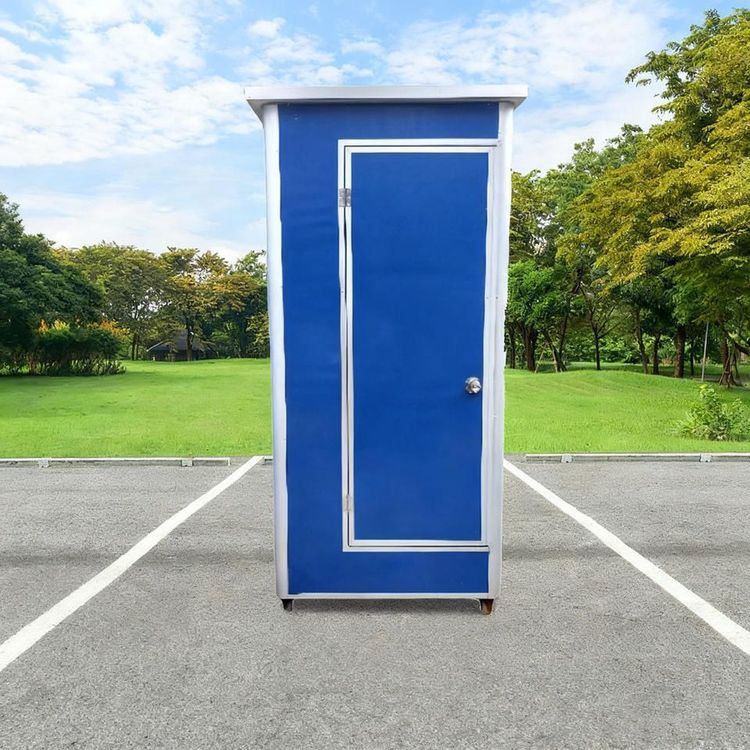
Ordinary tunnel mobile toilets are commonly found in urban underground passages, scenic tunnel areas, etc. Taking the mobile toilet at the Furong Exit side of the Furong Tunnel at Xiamen University as an example, it adopts a Chinese-style design that harmonizes with the surrounding environment. This toilet is equipped with five toilet compartments and emphasizes high cost-effectiveness, high technological content, high user comfort, and high management convenience in its design. Its core features include:
- Environmental Adaptability: By comparing multiple mobile public toilets in Xiamen City, an appearance that blends with the natural landscape was ultimately chosen to minimize visual impact on the original environment.
- Functional Integration: The interior may integrate intelligent water-saving systems, ventilation and deodorization devices, etc., enhancing the user experience while reducing maintenance costs.
- Modular Structure: It facilitates quick installation, disassembly, and relocation, making it suitable for temporary or semi-permanent demand scenarios.
Underground Tunnel Mobile Toilets
Underground mobile toilets are specifically designed for underground spaces such as coal mines and tunnel construction sites. They belong to modular underground sewage facilities, with the core function of addressing the sanitation needs of underground workers. Their technical features are as follows:
- Materials and Structure: They use low-alloy high-strength structural steel as the framework to ensure structural stability in humid, highly corrosive environments with impact forces.
- Sewage Disposal System:
- Packing Type: The mainstream choice, which automatically packs and seals excreta through mechanical devices without the need for water flushing, preventing pipeline blockages and effectively controlling odors and bacterial spread.
- Vacuum Adsorption Type/Microbial Degradation Type: Applied in some scenarios, the former uses negative pressure for rapid sewage disposal, while the latter decomposes excreta through microorganisms, reducing pollution.
- Safety Standards: They must comply with requirements such as corrosion resistance, flame retardancy, and leakage prevention. For example, the cabinet body surface is coated with an anti-corrosion coating, and electrical components meet explosion-proof standards to prevent accidents caused by flammable gases like methane.
- Application Scenarios: They are mainly deployed at the mining face of coal mines, tunnel construction sites, and mining living areas, adapting to the narrow spaces and variable layouts of underground environments.
Although both types of toilets are mobile in design, ordinary tunnel types focus more on environmental integration and user experience, while underground types prioritize safety, functionality, and adaptability to meet sanitation needs under extreme working conditions.