
Back to blog
Article
Disinfection Methods for Mobile Toilets
Admin September 28, 2026
The disinfection methods for mobile toilets are mainly divided into physical disinfection methods and chemical disinfection methods, as follows:
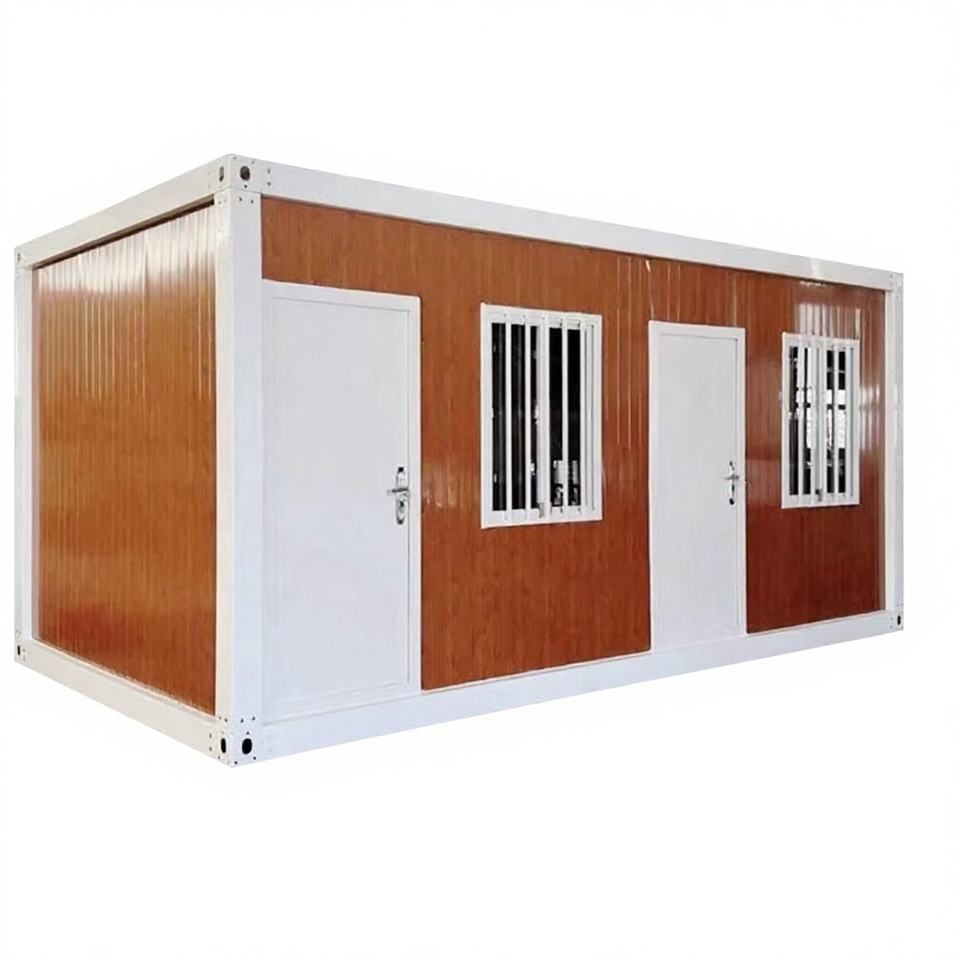
Physical Disinfection Methods
- High-temperature Disinfection: Utilize high-temperature steam generated by a steam generator to spray and disinfect surfaces such as toilets and sinks. High-temperature steam can effectively kill bacteria and viruses. For fecal treatment, if conditions permit, high-temperature steam treatment can be used to ensure that the temperature reaches above 80℃ and is maintained for more than 30 minutes to thoroughly kill pathogens.
- Ultraviolet Disinfection: Install ultraviolet disinfection lamps inside the mobile toilet and turn them on during periods when the toilet is not in use to achieve disinfection by destroying the DNA structure of microorganisms. Ultraviolet disinfection equipment can also be used to irradiate treated feces and equipment surfaces for no less than 30 minutes.
Chemical Disinfection Methods
- Chlorine-containing Disinfectants: Dilute chlorine-containing disinfectants (such as 84 disinfectant) in a certain proportion and use a sprayer to comprehensively spray the floor, walls, and toilets of the toilet. For fecal treatment, bleach can be diluted at a ratio of 1:100 to 1:200 and sprayed for 30 minutes to 1 hour; sodium hypochlorite with an available chlorine content of 500 to 1000 mg/l should be sprayed and maintained for 30 minutes.
- Peracetic Acid: It has strong oxidizing properties and can quickly kill various microorganisms. When using it, dilute it to an appropriate concentration for wiping or spraying disinfection. For fecal treatment, a 0.5% to 1% concentration solution can be used for spraying. Safety precautions should be taken, and it should be rinsed with water after use.
- Alcohol Disinfection: For frequently touched parts inside the mobile toilet, such as door handles and faucets, 75% alcohol can be used for wiping and disinfection.
- Chlorine Dioxide: Use 5 to 10 mg per cubic meter of water, dissolve it, and spray it for 30 minutes for disinfection after fecal treatment.
Precautions
- During disinfection operations, ensure that there are no people inside the mobile toilet to prevent disinfectants from causing harm to the human body.
- After disinfection operations are completed, ventilate the area in a timely manner to reduce the residual concentration of disinfectants.
- Regularly perform comprehensive cleaning and disinfection of the mobile toilet to maintain good hygiene conditions.
- Staff should wear protective clothing, gloves, masks, and goggles to avoid direct contact with contaminants; maintain environmental ventilation for more than 30 minutes after operations to expel harmful gases.
Related



