
Back to blog
Article
Zhengzhou Outdoor Mobile Toilet Installation
Admin September 28, 2026
The installation of outdoor mobile toilets in Zhengzhou should follow a scientific and standardized process, covering preliminary preparations, leasing, transportation, installation and commissioning, handover for use, and post-use maintenance. The specific steps are as follows:
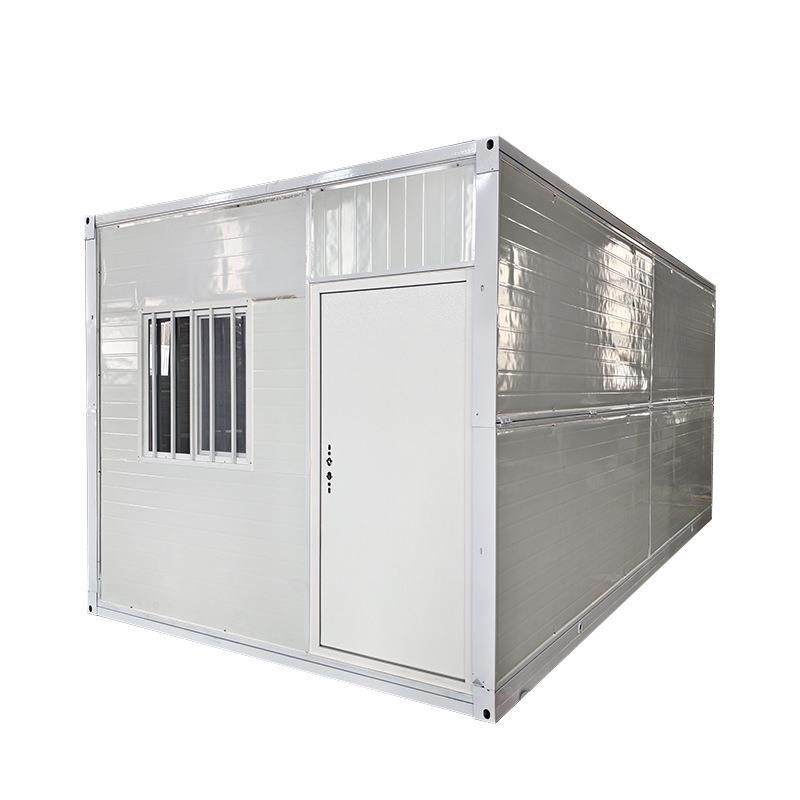
1. Preliminary Preparations
- Demand and Site Confirmation: Determine the quantity and type (such as standard, eco-friendly, or accessible types) of mobile toilets based on the scale of the event, the number of users (it is recommended to provide 1-2 standard units per 100 people), and the duration of use. Conduct a site inspection in advance to ensure the ground is level, drainage is smooth, outdoor sites avoid low-lying areas prone to waterlogging, and indoor sites have sufficient space reserved.
- Plan Planning: Customers need to clarify key information such as the usage scenario (e.g., music festivals, construction sites, exhibitions) and the site location. Based on this, the leasing company recommends suitable types and initially plans the layout to ensure reasonable toilet distribution without obstructing pedestrian flow.
2. Leasing Process
- Supplier Selection: Select reputable leasing companies through formal platforms or industry associations. Check their business licenses and service cases. When signing the contract, clarify the delivery time, installation scope, and after-sales service terms.
- Costs and Contract: The costs usually include equipment leasing, transportation, installation, and basic maintenance. Confirm additional fees such as deposits and overtime charges, and request a detailed quotation. The contract should specify the leasing price, quantity, delivery time, service details, etc., to avoid disputes.
3. Transportation and On-site Survey
- Equipment Transportation: The leasing company arranges special vehicles to transport the mobile toilets to the site. Technicians conduct another site survey to confirm that the installation location meets requirements for drainage, electricity (if needed), and ventilation, and plan the best placement considering both convenience of use and environmental harmony.
4. Installation and Commissioning
- Basic Installation: Fix the equipment in place according to the instructions, ensuring it is level and harmonious with the surrounding environment. The standard unit size is generally 2.4m × 1.8m, with an installation spacing of no less than 1.5m.
- System Commissioning: Connect the water supply and drainage systems. Standard types need to be connected to sewage and water supply pipes, while eco-friendly types may use vacuum or biodegradation technologies; waterless flush types require checking the capacity of the fecal storage tank and the cleaning cycle. Finally, test electrical circuits (lighting, ventilation), door locks, and other components to ensure normal functionality.
5. Cleaning and Handover for Use
- Cleaning and Configuration: Thoroughly clean the interior of the toilets after installation and equip them with toilet paper, hand soap, air fresheners, etc.
- Usage Instructions: When handing over to the customer, explain daily precautions, such as prohibiting the dumping of debris and regular maintenance, to ensure the long-term stable operation of the equipment.
6. Post-use Maintenance and Removal
- Regular Maintenance: During the leasing period, the company regularly cleans the septic tanks and replaces consumables (such as hand soap and toilet paper).
- Removal and Site Restoration: After use, remove the equipment according to the time specified in the contract and restore the site to its original condition to avoid leaving any issues.
Related



