
Mobile Public Toilet Drainage
The drainage methods for mobile public toilets mainly include conventional water-flushing systems, vacuum sewage systems, water-storage sewage systems, and other discharge methods, each with distinct characteristics and suitable scenarios.
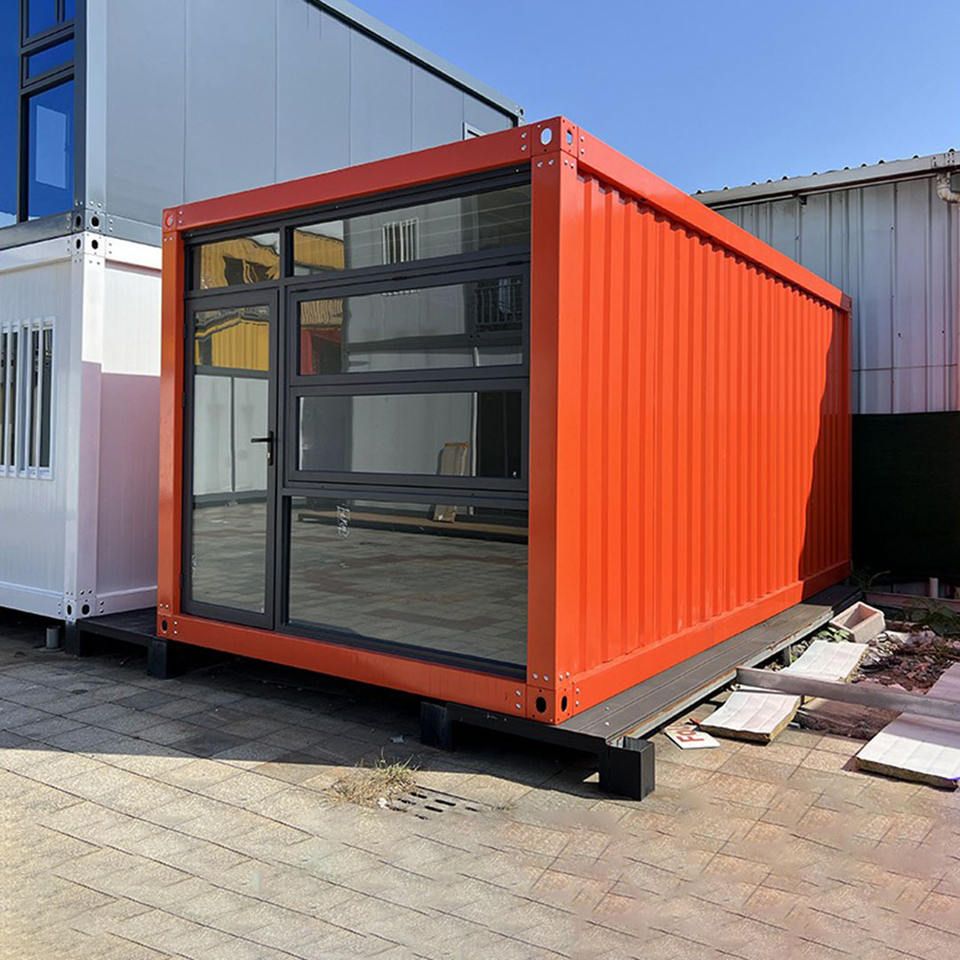
The conventional water-flushing system is a relatively common drainage method that requires connection to water supply and drainage pipes. During use, manual operation or automatic sensing devices trigger the sewage discharge action, directing the sewage to a septic tank or municipal sewer network. This drainage method is suitable for environments with water availability and has relatively low construction costs. In areas with well-established water supply and drainage facilities, such as city streets and parks, conventional water-flushing mobile public toilets can adequately meet usage demands. Their working principle is similar to that of ordinary household toilets, making them simple to operate and easy to maintain.
The vacuum sewage system utilizes negative pressure principles for drainage. It generates negative pressure through a vacuum pump, rapidly drawing sewage and waste into a collection container. This drainage method is highly efficient and uses minimal water, effectively conserving water resources. Additionally, due to the use of negative pressure extraction, it prevents sewage leakage and odor diffusion, maintaining a clean and hygienic environment inside the toilet. In places with high environmental requirements, water scarcity, or the need for rapid waste disposal, such as large event venues and tourist attractions, mobile public toilets with vacuum sewage systems offer significant advantages.
The water-storage sewage system discharges waste into a storage tank through water flushing. When the storage tank is full, it requires cleaning and replacement. This drainage method is suitable for locations with sufficient water supply and easy access for cleaning. For example, in temporary construction sites or wilderness work areas where a complete municipal sewer network may not be available but there is an adequate water supply, mobile public toilets with water-storage sewage systems can be used.
Furthermore, there are other discharge methods, with some mobile public toilets employing biodegradation technology. This technology converts organic matter into harmless substances before discharge, making it highly environmentally friendly and reducing environmental pollution. In areas emphasizing ecological protection, such as nature reserves and eco-tourism zones, mobile public toilets using biodegradation technology can better harmonize with the surrounding environment.



