Mobile Integral Toilet for Parks
Mobile integral toilets for parks are movable facilities set up to meet the temporary or permanent toilet needs of the public. The following is an introduction from the aspects of construction key points, composition structure, classification methods, and design principles:

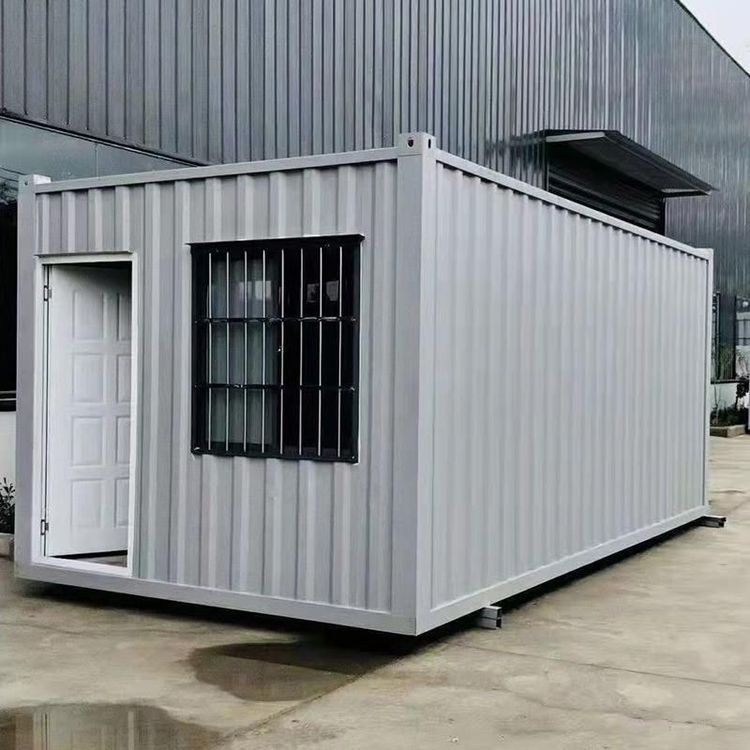
Construction Key Points: During construction, multiple factors need to be considered comprehensively. On the one hand, the toilet's style should be determined according to the on-site environment to blend in with the surrounding area. For example, some adopt a flat-roof style, with the exterior walls made of heat-insulating aluminum alloy material, paired in white and brown, and equipped with double doors in the middle. On the other hand, the required number of toilet compartments should be determined based on the park's visitor volume. For instance, a mobile toilet with three compartments is suitable for places like scenic spots and campgrounds in parks. In addition, mobile toilets used in park scenic areas are best equipped with a third toilet and a management room.
Composition Structure: Mobile toilets generally consist of multiple parts. These include a fecal sewage storage tank (or fecal sewage treatment device) for collecting and treating fecal sewage; a floor to provide a stable standing and moving space for users; sanitary ware to meet basic toilet needs; walls for separation and protection; washing equipment to facilitate user cleaning; a water tank to store water for flushing; a roof to provide shelter from wind and rain; and a mobile device to facilitate the overall movement of the toilet.
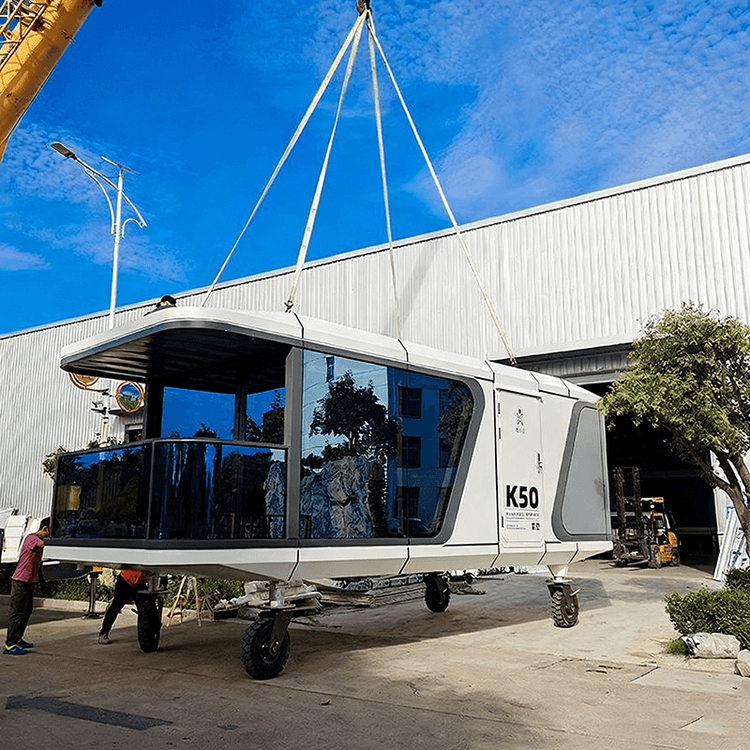
Classification Methods: According to the structural form, they can be divided into single-structure mobile toilets and composite-structure mobile toilets. According to the moving method, they can be divided into hoisting and handling mobile toilets, and powered and towed mobile toilets. According to the sewage treatment method, they can be divided into water-flushing and non-water-flushing suction mobile toilets, circulating water-flushing mobile toilets, and dry-packing mobile toilets.
Design Principles: When designing, the principles of mobility, economy, and durability; environmental protection and ecological friendliness; and improving efficiency and promoting humanity should be followed. The overall structure should be lightweight, using lightweight and durable materials as much as possible while ensuring structural sturdiness. The height and width of the toilet should also be controlled, and the mobile device should be complete and reasonable to ensure the convenience and safety of movement.