
Portable Toilets in Beijing-Tianjin-Hebei Region
Portable toilets in the Beijing-Tianjin-Hebei region are widely used in construction sites, scenic spots, event venues, and other scenarios, featuring flexible deployment, environmental efficiency, strong adaptability, and have formed a mature industrial cluster and service system.
Construction Site Applications: Flexible Deployment to Address Construction Cycle Challenges
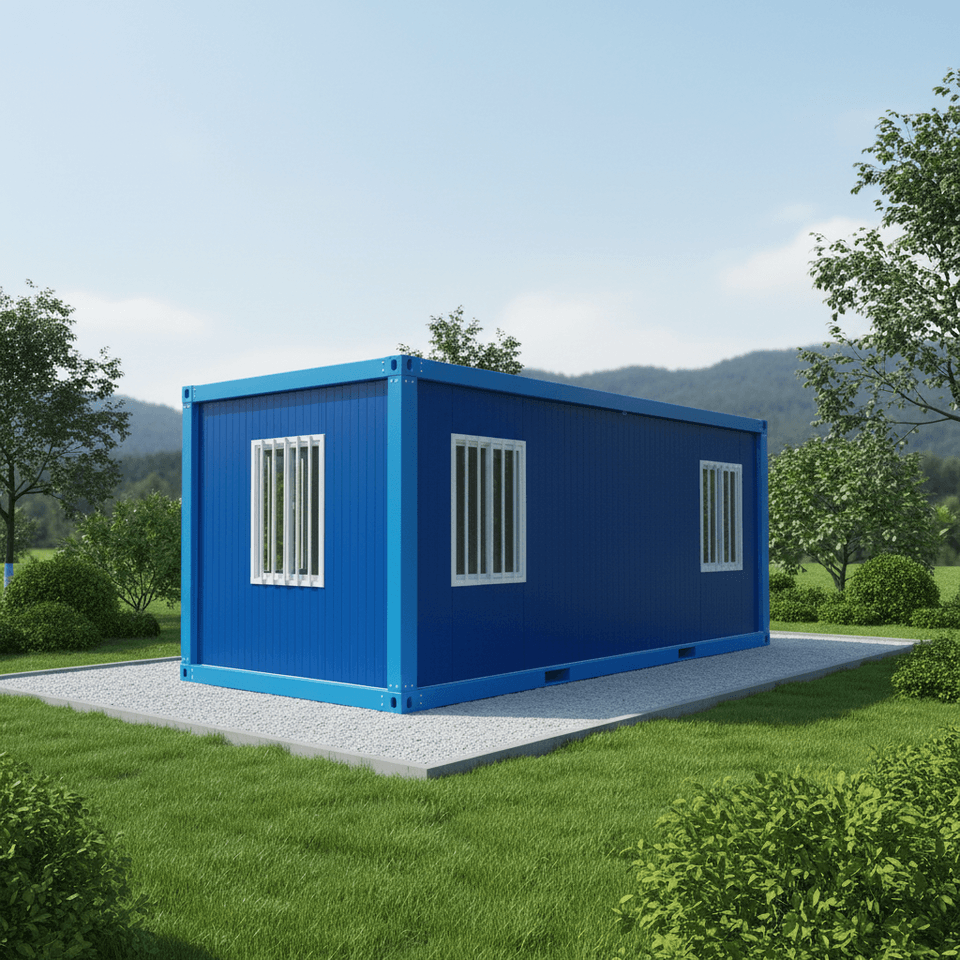
Traditional civil engineering toilets have long construction cycles, while portable toilets can be delivered in batches and adjusted according to the work area. For example, a large construction site in Xiong'an New Area accommodated over 800 people during peak periods and completed the deployment of all toilet facilities in three days; a hub project in Beijing with 400 workers deployed eight portable toilets, reducing the average waiting time to less than three minutes. Their advantages lie in their ability to be hoisted and towed, with equipment depreciation spread across multiple projects. Construction parties should prioritize models with pallet underframes and standard hoisting points and specify transportation distances, replenishment response times, and unified models in contracts to reduce maintenance costs.
Scenic Spot Applications: Adapting to Tourist Flow Fluctuations While Balancing Environmental Protection and Experience
Tourist flow in scenic spots fluctuates seasonally, and portable toilets can respond instantly. For instance, a canal cultural scenic spot in Tianjin saw a single-day tourist volume exceed 30,000 during the May Day holiday and urgently deployed 30 portable toilets, reducing the waiting time from 15 minutes to less than five minutes. Products need to adapt to terrain, such as using adjustable legs or self-weight stabilization structures in mountainous scenic spots in Baoding; their exteriors often adopt antique or natural styles, with interiors equipped with flush toilets, sinks, and accessible toilet stalls. Operators should choose treatment methods based on water source and sewage conditions: water-flush toilets when water is abundant, and packaged or microbial degradation toilets when pipelines are insufficient, to control operating costs.
Event Venue Applications: Diverse Types to Meet Scenario Needs
Portable toilets at event venues come in various types, including coach-style, towable, VIP toilets, and single-unit packaged toilets. Eco-wooden or stainless steel environmentally friendly models are suitable for camping and cultural tourism scenic spots; large-scale stainless steel combined units or towable vacuum toilets are needed for concerts, marathons, and other large-scale events. Key performance indicators in the industry include material durability (such as 304 stainless steel, fiberglass), environmental technology (water-saving flushing, microbial degradation), spatial design (ventilation systems), and mobility efficiency (modular design).
Industrial Layout: Clustered Production and Professional Services
Manufacturing clusters have formed in Tianjin, Tangshan, and Langfang, while Baoding leverages its steel structure and plastic processing industries to achieve an efficient supply chain from raw materials to finished products. Product enclosures are made of color-coated steel plates or double-layer fiberglass, with first-tier sanitary equipment installed inside, offering a lifespan of over ten years, with some parts being 100% recyclable. Service providers collaborate with local governments, such as providing hundreds of toilets and dedicated cleaning teams during the construction of Xiong'an New Area, and using GPS positioning and liquid level sensors to monitor toilet status in real-time to ensure timely sewage removal.



