Fully Prefabricated Housing
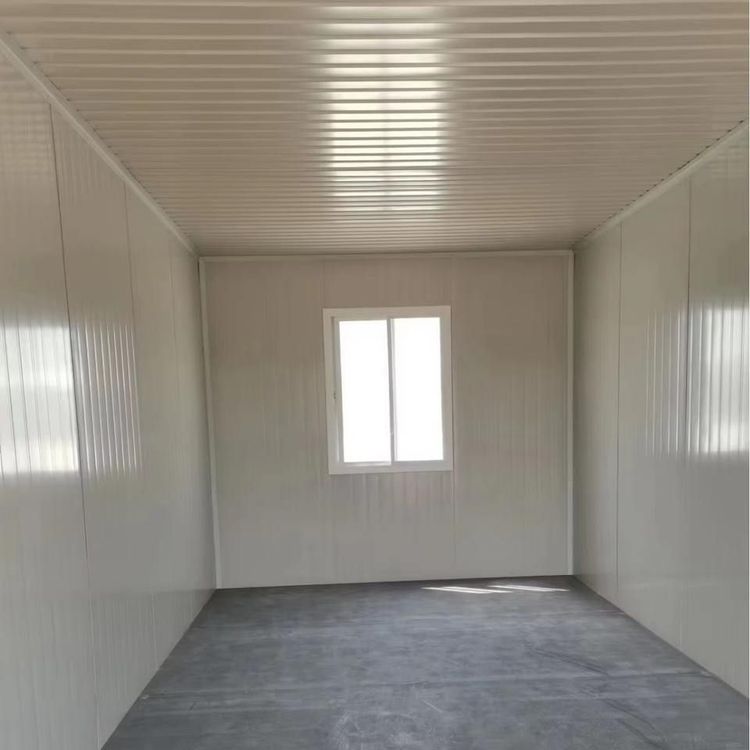
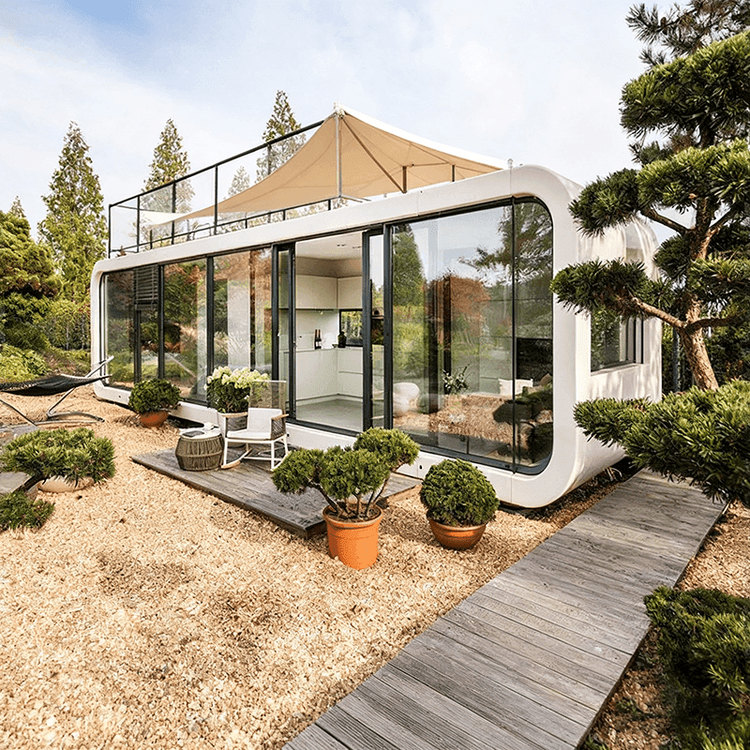
Fully prefabricated housing is a building form that adopts a modular construction model, where the building is disassembled into independent modules, prefabricated in factories, and then transported to the site for assembly.

Construction Process and Characteristics
The core of fully prefabricated housing lies in 'factory prefabrication + on-site assembly'. Components such as ceilings, walls, floors, plumbing and electrical lines, and bathroom waterproofing layers are all prefabricated on factory assembly lines, ensuring quality control through standardized production. For example, the CSCEC Hailong Intelligent Construction Industrial Park in Shenzhen, Guangdong, utilizes intelligent production lines combined with parallel operations and automated warehousing, reducing construction periods by over 60% compared to traditional buildings. This model not only reduces on-site wet work (such as concrete pouring) but also minimizes human errors through industrial production, enhancing building precision.
Technical Classification and Forms
The technical system encompasses prefabricated concrete structures and steel structures, with components including prefabricated beams, slabs, walls, and columns. Depending on the material, prefabricated houses are classified into three forms: steel, concrete, and wooden:
- Steel Structure: Lightweight and strong in earthquake resistance, suitable for overseas transportation and high-rise buildings, making it a popular choice in overseas markets;
- Concrete Structure: More akin to traditional living experiences, with high acceptance in the domestic market and relatively lower costs;
- Wooden Structure: Primarily used for low-rise residences, with outstanding environmental friendliness but limited application scope.
Chinese companies have advantages concentrated in the steel and concrete sectors, with steel structures becoming the main export force due to their ease of transportation and rapid assembly.
Industrial Support and Market Prospects
Fully prefabricated housing places extremely high demands on industrial foundations, requiring comprehensive support from technical systems (such as BIM design and modular connection technology), production systems (automated production lines), and industrial clusters (supply chain collaboration). According to market research institutions, the global modular construction market is expected to exceed $142.8 billion by 2030. Chinese prefabricated houses are selling well overseas due to their cost and efficiency advantages. For example, in the first four months of 2026, the export of movable houses from the Guangzhou Customs area reached 1.4 billion yuan, a year-on-year increase of 38.1%, mainly targeting Southeast Asia and the Middle East.
Advantages and Challenges
Its advantages include short construction periods, stable quality, energy conservation and environmental protection (reducing construction waste and dust), and convenient post-maintenance (modules can be disassembled and replaced). However, challenges also exist: high initial investment costs, inconsistent technical standards, insufficient market awareness of prefabricated houses in some areas, and corrosion prevention requirements for steel structure modules during overseas transportation. In the future, with technological advancements and policy support (such as green building subsidies), fully prefabricated housing is expected to become an important development direction in the global construction industry.