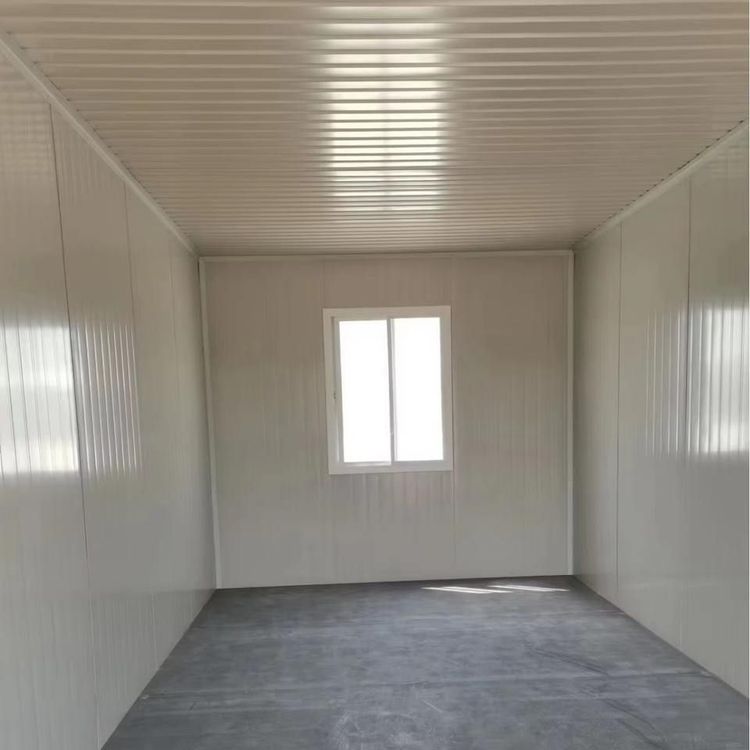
Wuhan Prefabricated Housing
The governance and renovation of prefabricated housing in Wuhan adhere to the principles of prioritizing safety and classified disposal, with specific handling methods and procedures as follows:

I. Core Concept of Governance and Renovation
In the 2026 urban renewal plan, Wuhan has clarified that the disposal of prefabricated panel houses should be based on a comprehensive assessment of safety appraisal results, the condition of the main structure, planning requirements, residents' wishes, financial balance, and project implementation conditions, rather than solely relying on whether the structure is prefabricated as the criterion for demolition. This approach emphasizes a risk-oriented strategy, prioritizing the resolution of safety hazards while balancing residents' needs with urban planning coordination.
II. Classified Handling Methods
Grade D Dangerous Housing
- Definition: Professionally appraised as having a structural load-bearing capacity that no longer meets safe usage requirements, posing an overall risk.
- Disposal Method: In principle, demolition and reconstruction are adopted to completely eliminate safety hazards. Such houses are mostly severely aged or damaged prefabricated panel houses, and reconstruction can enhance living quality and safety.
Grade C Dilapidated Houses and Ordinary Prefabricated Panel Houses
- Definition: The structural load-bearing capacity basically meets safety requirements, but there are local hazards (such as cracks, leaks) or outdated functionality.
- Disposal Method: Depending on the actual situation, options include repair, reinforcement, renovation, or original-site demolition and reconstruction. For example, reinforcing and repairing locally damaged houses; optimizing spatial layout through renovation for functionally outdated houses; exploring the "original-site demolition and reconstruction" model for projects with strong resident renovation wishes and clear property rights, allowing adjustments to housing layouts and building functions within regulatory limits.
III. Governance Process and Key Links
- Inventory and Appraisal: Conduct a comprehensive survey to clarify the housing risk profile, including structural damage, leaks, and other issues, providing a basis for subsequent disposal.
- Plan Formulation and Planning Alignment: Formulate renovation plans based on professional appraisal results, demonstrate their feasibility, and align them with urban planning requirements to ensure project compliance.
- Funding Arrangement and Resident Consultation: Clarify funding sources (such as financial subsidies, resident self-financing, etc.) and reach a consensus through resident consultation mechanisms to ensure smooth renovation progress.
IV. Exploration of New Models
Wuhan is piloting the "original-site demolition and reconstruction" and "self-initiated renewal" models, targeting old housing with clear property rights, strong resident wishes, and prominent safety hazards, and clarifying procedures for owner voting, project application, and fund supervision. These models grant residents more participation rights while allowing optimization of housing layouts and functions within regulatory limits, enhancing the flexibility and practicality of renovations.