
Construction of Ecological Mobile Environmental Toilets
The construction of ecological mobile environmental toilets primarily employs two methods: integrated finished installation and modular assembly, combined with solid-liquid separation, intelligent control, and other technologies to achieve environmental protection and convenience.
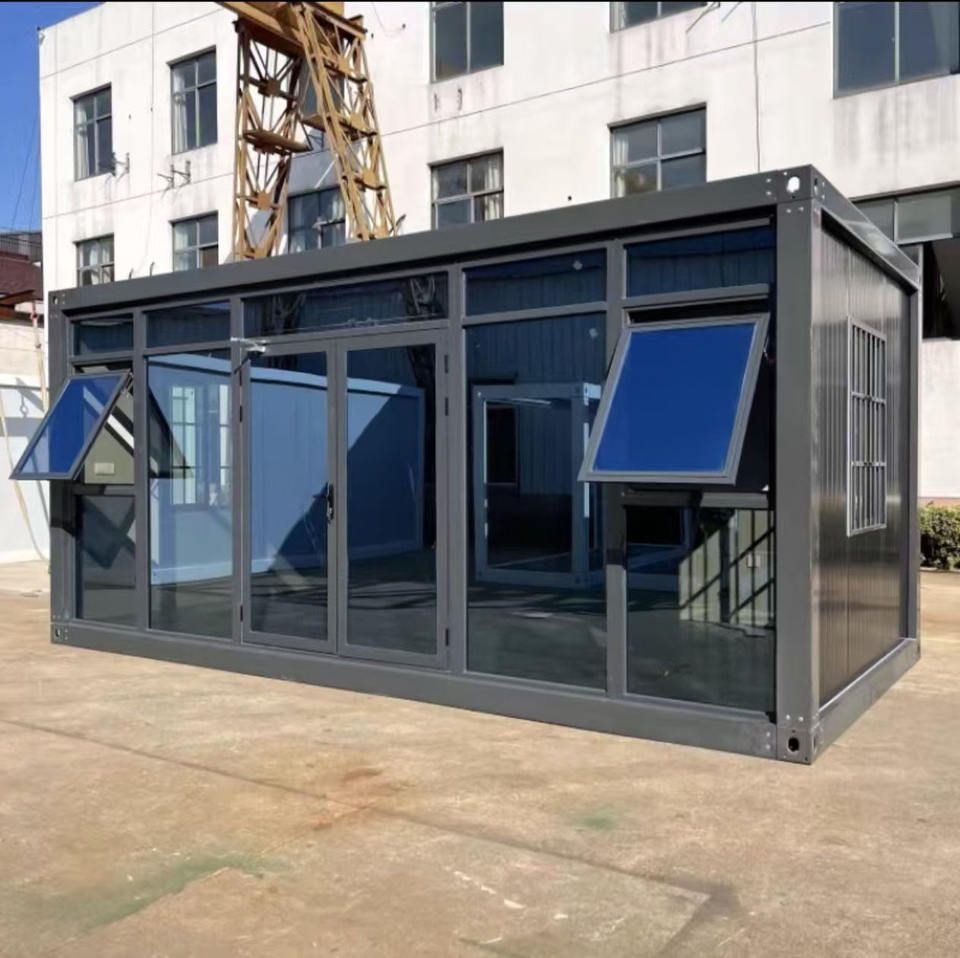
In terms of construction methods, for toilets that are smaller in size and easy to transport, the integrated finished installation method without civil engineering is typically used. This construction method is akin to building with blocks. First, the columns are installed, and then each component is fixed through splicing, ensuring that every buckle fits perfectly. Ultimately, the toilet can be used immediately upon installation, significantly shortening the construction cycle and having minimal impact on the surrounding environment. For larger toilets that exceed transportation dimensions, the modular assembly method is more suitable. The toilet is divided into multiple modules, prefabricated in a factory, transported to the site, and then assembled and spliced. This approach not only solves transportation challenges but also ensures the overall integrity and stability of the toilet.
Regarding technological principles, solid-liquid separation technology is one of the cores of ecological mobile environmental toilets. Through special design, solid and liquid components of excreta are separated. The solid part is decomposed by microorganisms for harmless treatment, reducing environmental pollution; the liquid part is purified and can be reused or discharged after meeting standards. Additionally, an advanced microcomputer control system serves as crucial technological support. The sensing system can automatically detect the presence or absence of toilet users and precisely trigger lighting, ventilation, and separation systems, enhancing the user experience while achieving rational utilization of energy and reducing energy consumption.
In terms of the toilet body structure, materials with good thermal insulation, such as steel-frame cement composites, are commonly used. This structure not only ensures the durability and sturdiness of the toilet but also effectively maintains indoor temperature, reducing energy consumption. Some models are also equipped with intelligent temperature control systems that can operate at temperatures exceeding 60℃, providing a comfortable user environment while also having sterilization and disinfection functions, further ensuring the hygiene of the toilet and offering a healthy and safe toilet experience for users.
You may also like

Container House Installation Guide: A Complete Walkthrough
Read More
Portable Toilet Eco-Friendly Custom & OEM: Design & Bulk Production Guide
Read More
How to Assemble & Install Container House Step by Step
Read More