
Container Mobile House with Straw Roof
Currently, there is no specific information directly regarding the use of straw roofs for container mobile houses, but analysis can be conducted from aspects such as the roof types, material characteristics, and modification possibilities of container mobile houses.
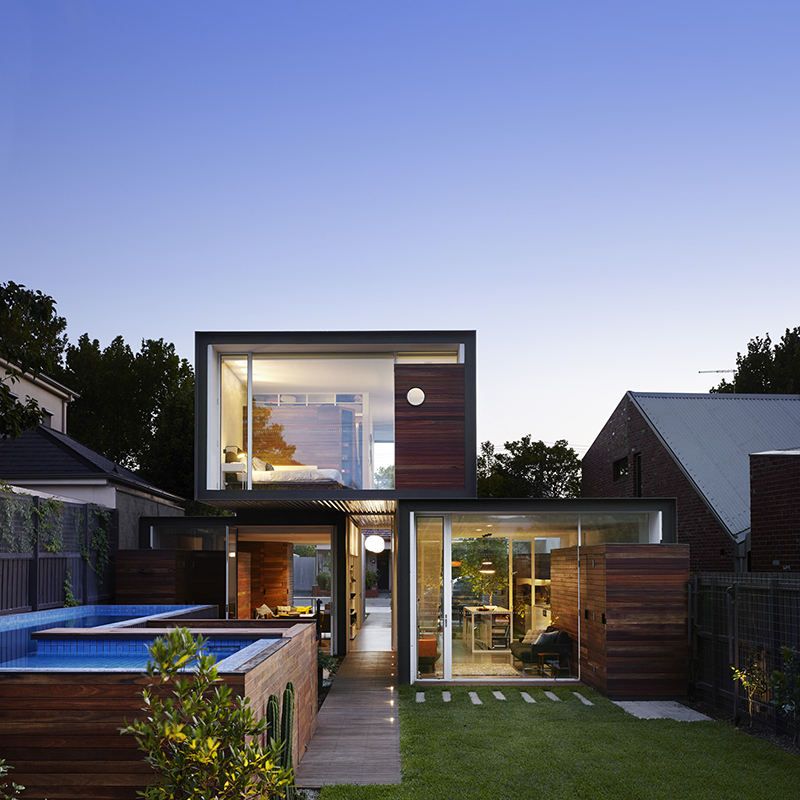
Common Roof Types of Container Mobile Houses
The roof designs of container mobile houses are diverse, with common types including flat roofs and pointed roofs (sloped roofs). Flat roofs are suitable for various scenarios, such as schools, bedrooms, hotels, and warehouses, facilitating the installation of equipment like solar panels. Pointed roofs, on the other hand, are beneficial for drainage, reducing the pressure exerted by accumulated water on the roof and extending its service life.
Roof Material Characteristics
The roof materials of container mobile houses are typically high-strength and corrosion-resistant, such as color-coated steel sheets and galvanized steel sheets. These materials possess good compressive resistance, earthquake resistance, and waterproof performance, enabling long-term outdoor use. As a natural material, straw, although having certain thermal insulation properties, has significant deficiencies in terms of waterproofing, durability, and wind resistance, making it difficult to be directly applied to the roofs of container mobile houses.
Analysis of Modification Possibilities
If one wishes to modify the roof of a container mobile house to a straw roof, the following key issues need to be addressed:
- Waterproofing treatment: Straw is prone to absorbing water, so special waterproof coatings or coverings are required to prevent rainwater penetration, which may, however, affect the breathability and thermal insulation properties of the straw.
- Durability enhancement: Straw is susceptible to ultraviolet radiation and erosion from wind and rain in outdoor environments, necessitating regular maintenance or replacement and increasing usage costs.
- Structural reinforcement: The weight and wind load of a straw roof may impose additional burdens on the original structure of the container, requiring structural assessment and reinforcement.
Alternative Solution Recommendations
If one pursues a natural style or environmental protection concept, the following alternative solutions can be considered:
- Imitation straw materials: Use synthetic materials that imitate straw (such as plastics and fibers), which not only retain the visual effect but also enhance durability and waterproofing.
- Green roofs: Plant vegetation on the roof of the container to form a green roof, which is both aesthetically pleasing and environmentally friendly, but requires consideration of load-bearing and drainage issues.
You may also like

Container House Installation Guide: A Complete Walkthrough
Read More
Portable Toilet Eco-Friendly Custom & OEM: Design & Bulk Production Guide
Read More
How to Assemble & Install Container House Step by Step
Read More