Back to blog
Article
Container House Video: Types, Features & Buying Tips
Admin November 19, 2026
The types, features, and buying tips for container houses are as follows:

I. Types of Container Houses
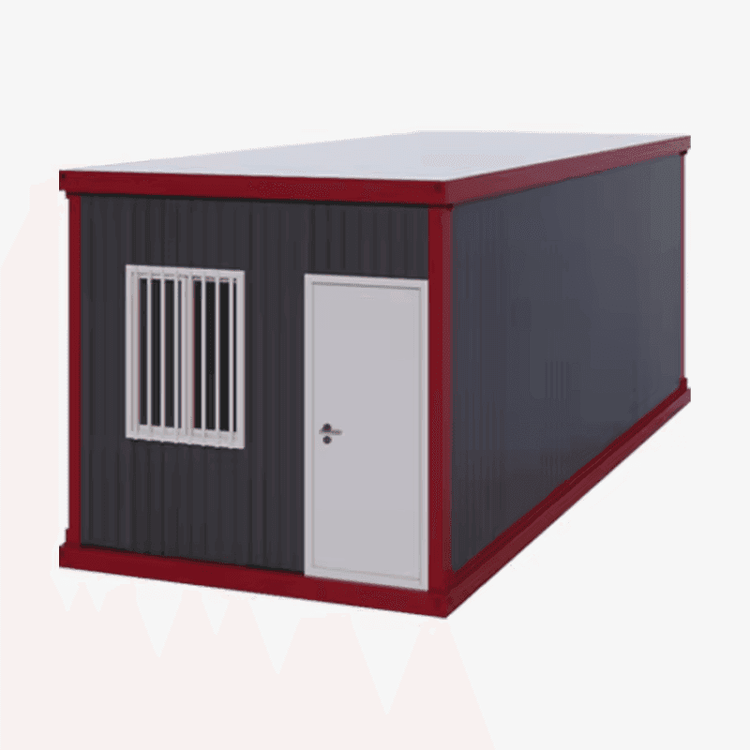
- Expandable Modular Container Houses: Designed for rapid installation and ease of transportation, these houses feature modular structures that allow for space expansion, making them suitable for temporary residences, construction site offices, and other scenarios.
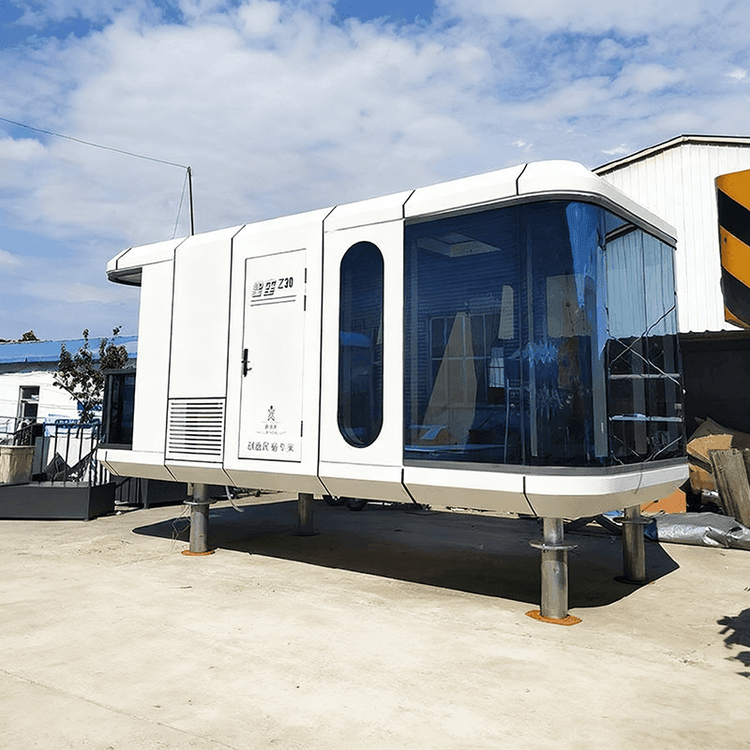
- Luxury Modular Container Houses: Combining industrial durability with high-end interiors, these houses are equipped with modern facilities (such as smart home systems and premium bathrooms), making them ideal for high-end residences or vacation villas.
- Prefabricated Micro Container Houses: Focused on compactness and efficiency, these houses typically range from 10 to 30 square meters in size, catering to minimalist lifestyles or small residential needs.
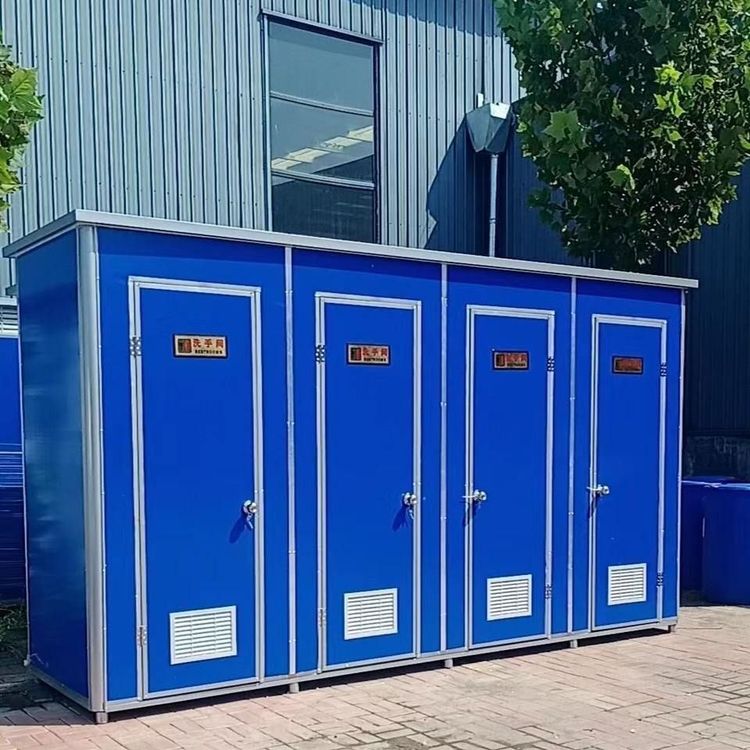
- Portable Modular Container Houses: With flexible functionality, these houses can be quickly deployed as offices, camp dormitories, temporary shops, or commercial exhibition halls, adapting to various scenarios.
II. Core Features of Container Houses
- Structure and Durability: Utilizing galvanized steel frames and waterproof sandwich panels, with optional weathering steel (Corten Steel) for enhanced corrosion resistance, these houses can withstand extreme weather conditions (such as strong winds and earthquakes) while maintaining long-term structural stability.
- Customization Capabilities: Supporting complete customization of layout, size, and interior design, these houses can be combined into large buildings (such as hotels and schools) through multiple units, meeting personalized needs.
- Environmental Protection and Economy: By recycling used containers to reduce carbon emissions and adopting factory prefabrication to minimize on-site construction waste, the cost is only 30%-50% of that of traditional housing.
- Rapid Deployment: With key components pre-assembled in the factory, the on-site installation period can be shortened to a few days, making them suitable for emergency housing or temporary projects.
- Multi-functional Adaptability: Covering residential, commercial, and industrial uses, such as student dormitories, post-disaster relief housing, and retail stores, with additional features including fire resistance, moisture resistance, and thermal insulation.
III. Practical Tips for Buying Container Houses
- Clarify Needs: Choose the type based on the intended use (residential/commercial/industrial) and space requirements (standard sizes of 10-40 feet), such as portable options for temporary offices and luxury modular options for long-term residences.
- Emphasize Customization and Quality: Prioritize manufacturers offering flexible customization, confirm that materials meet standards (such as galvanized steel and fire-resistant sandwich panels), and verify structural certifications (such as ISO standards).
- Logistics and Installation Services: Select suppliers supporting factory direct supply, global delivery, and professional on-site assembly to ensure low transportation damage and efficient installation.
- Sustainability Considerations: Prefer recycled containers or prefabricated modules to reduce environmental impact, while paying attention to energy efficiency (such as solar integration options).
- Budget and Cost-effectiveness: Compare quotes from different suppliers, considering the costs of size, customization needs, and supporting facilities (such as floors and windows) to avoid hidden fees.
- After-sales Support: Confirm that the manufacturer provides technical guidance, warranty services (usually starting from 1 year), and long-term maintenance support to reduce later-stage usage risks.
Related