Container Steel House Buying Guide: Options & Tips
When purchasing a container steel house, it is essential to comprehensively evaluate its structure, performance, compliance, and supplier capabilities. Prioritize modular, scalable products that have passed international certifications to achieve a low-cost, highly flexible living solution that aligns with sustainable trends and personalized needs.

I. Core Advantages and Suitable Scenarios
Container steel houses offer economy, sustainability, and modularity as their core advantages. Their cost is only a fraction of that of traditional buildings, and they reduce carbon emissions by reusing steel containers, meeting environmental demands. Modular design supports rapid deployment, expansion, and reconfiguration, making them suitable for scenarios such as mobile living, remote work, Airbnb rentals, and emergency shelter. Their galvanized steel structure provides wind resistance (110km/h), earthquake resistance (magnitude 7), and temperature tolerance (-20°C to 50°C), with a lifespan of up to 20 years and no construction waste generated.
II. Key Considerations Before Purchase
- Structure and Materials
- The frame should be galvanized steel with a painted surface for rust prevention; the roof should feature a steel ceiling + glass wool insulation layer + steel plate for thermal insulation and waterproofing; walls should use fire-resistant rock wool sandwich panels for safety and insulation; and the electrical system should be pre-installed with LED lights and sockets to shorten installation time.
- Performance Parameters
- The wind resistance rating should be at least magnitude 8 (e.g., wind speed of 110km/h), and the earthquake resistance rating should be at least magnitude 7, with a temperature adaptation range covering extreme climates.
- Compliance and Certifications
- Ensure the product has passed international certifications such as ISO, CE, and BV, and understand local building regulations in advance to avoid project delays due to usage restrictions (e.g., some regions prohibit container houses as permanent residences).
III. Purchase Options and Supplier Selection
- Product Types
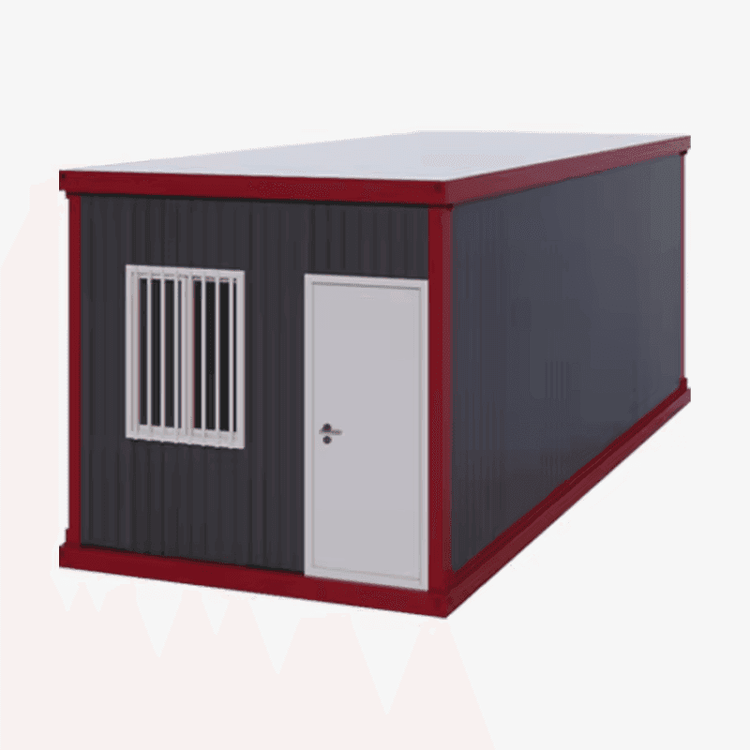
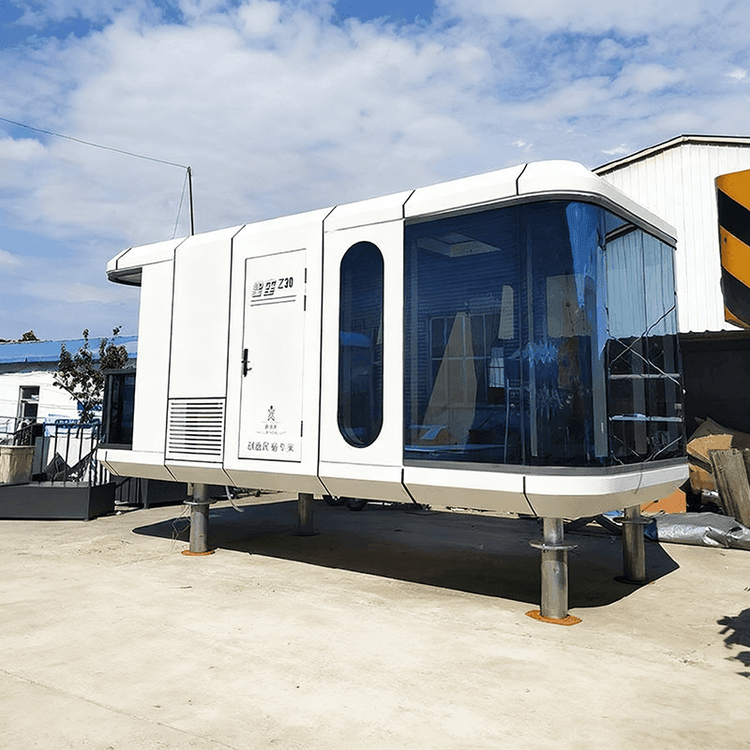
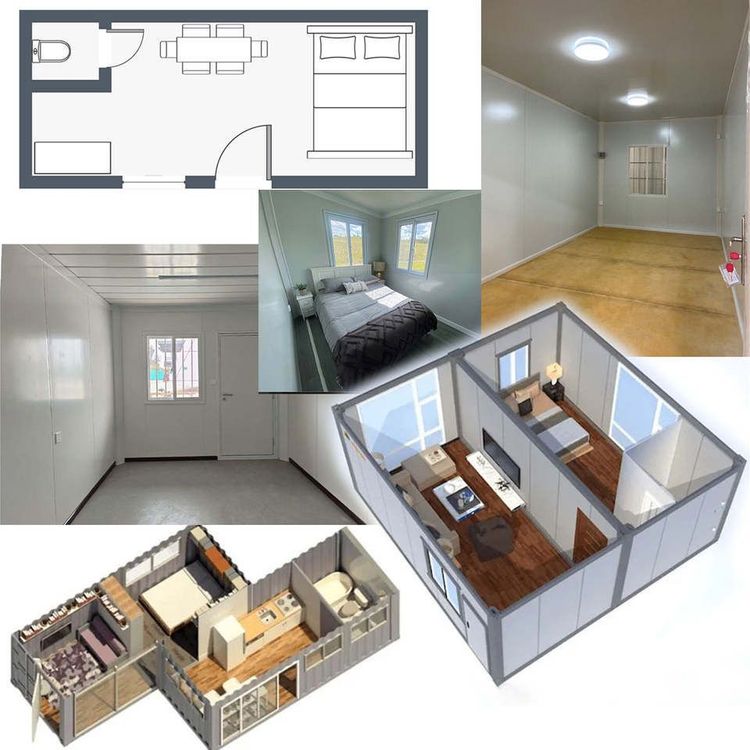
- Choose from single-story/multi-story designs (20ft or 40ft standard containers, or custom 2-story resort-style houses); optional modules such as bathrooms, kitchens, and offices; and foldable designs suitable for long-distance transportation and export.
- Recommended Suppliers
- Xinheng Integrated House (Suzhou): Offers six series of modular products covering multiple scenarios with global service support;
- Cangzhou Junxing Minghua: Specializes in luxurious two-bedroom foldable container houses with a 10-15 day delivery time, suitable for urgent needs.
IV. Cost and Maintenance Recommendations
- Total Cost
- Includes the unit price of the container, transportation, installation, and interior decoration. Costs can be reduced through bulk purchases or selecting standard models. Case studies show that some families have built eco-friendly homes for less than $6,000 through DIY and recycled materials.
- Long-Term Maintenance
- The steel structure is reusable, requiring no frequent repairs over its 20-year lifespan and generating no construction waste; modular design reduces installation time to a few hours to a day, significantly lowering labor costs.
V. Trends and Added Value
Container steel houses align with minimalist and remote work cultures, meeting demands for mobile living and side businesses; innovative designs such as L-shaped layouts and dual-container拼接 (splicing) combine aesthetics with practicality.