Why Container House Insulation Matters: A Quick Guide
The insulation performance of container houses is crucial, and its importance is reflected in four aspects: sustainability, structural durability, living comfort, and cost-effectiveness. It is a core design element that balances environmental protection and functional requirements.
1. Sustainability Needs: A Key Path to Reducing Carbon Emissions
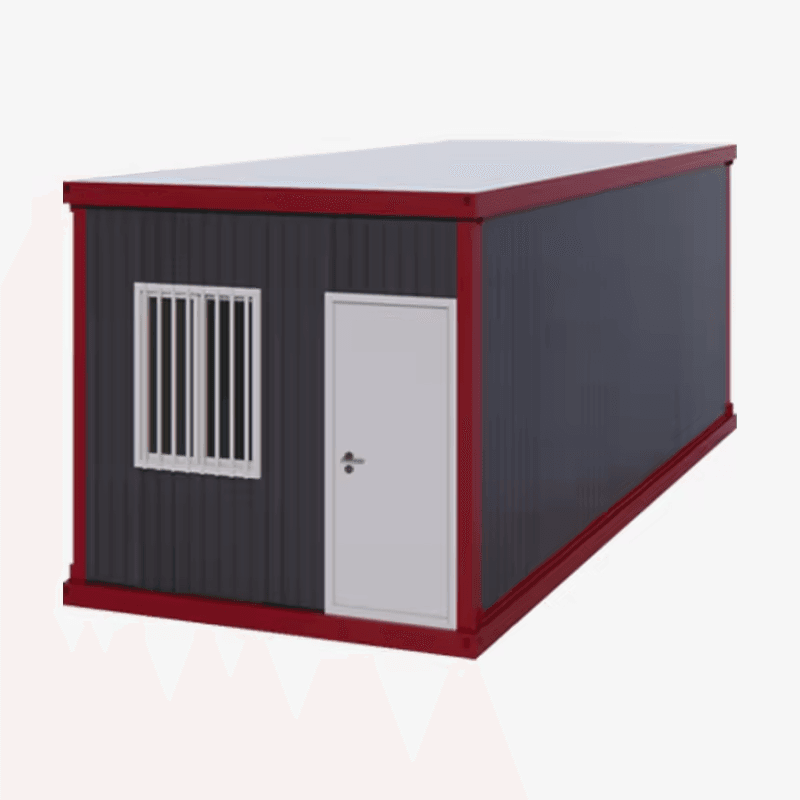
Container houses significantly reduce construction waste and resource consumption by recycling retired shipping containers or adopting prefabricated modular designs. The application of insulation materials (such as steel sandwich panels) can further reduce energy demand: reducing heating energy consumption in cold regions and lowering air conditioning loads in hot regions. According to research, optimized insulated container houses can reduce energy consumption by approximately 30%, meeting the urgent global demand for eco-friendly building solutions by 2026. Especially in the context of addressing climate change and resource scarcity, their low-carbon characteristics make them an important practice direction for sustainable construction.
2. Structural Durability Guarantee: A Protective Layer Against Environmental Erosion
The steel structure of container houses is susceptible to erosion from environmental factors such as moisture and high temperatures, leading to rust and a decrease in structural strength. The insulation layer (such as watertight sandwich panels) not only improves thermal performance but also forms a physical barrier to protect the steel structure from erosion by rainwater and salt spray. For example, container houses with galvanized steel frames and anti-corrosion materials can have their service life extended to over 20 years after insulation optimization, significantly reducing maintenance costs.
3. Enhanced Living Comfort: A Flexible Solution for Diverse Climates
The modular design of container houses allows for customized insulation solutions based on climatic conditions. In cold regions, high-density insulation materials (such as polyurethane foam) can reduce heat loss and maintain indoor temperature; in hot regions, reflective insulation coatings or ventilated sandwich layers can reduce heat conduction and decrease reliance on air conditioning. This adaptability makes them ideal choices for temporary housing, offices, and even emergency shelters, especially in regions prone to extreme weather conditions, where insulation performance directly relates to the health and safety of occupants.
4. Cost-Effectiveness and Rapid Deployment: Dual Optimization of Cost and Efficiency
Insulation-optimized container houses can be assembled approximately 20% faster than traditional buildings and have lower transportation costs. Their lightweight structure combined with prefabricated components allows insulation treatment to be completed in the factory, reducing on-site construction time. For example, the insulation installation of a standard container house takes only 2-3 days, while traditional buildings require several weeks. Additionally, the long-lasting nature of insulation materials (such as a lifespan of over 10 years) can reduce long-term operating costs, making them more competitive during economic fluctuations.