Back to blog
Article
Container House Rental: The Complete Buying Guide
Admin October 26, 2026
Key points of the "Container House Rental: The Complete Buying Guide" are as follows:
I. Product Definition and Core Advantages
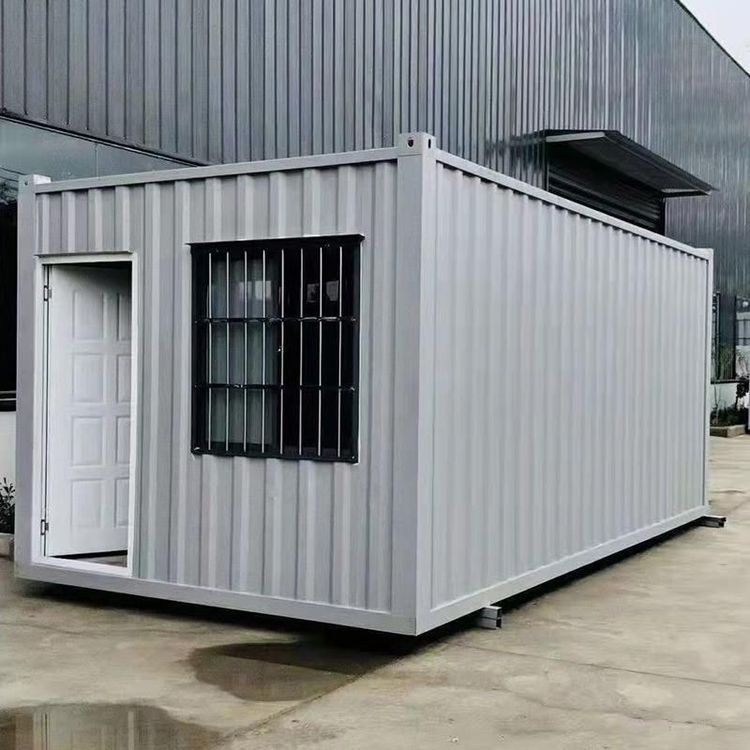
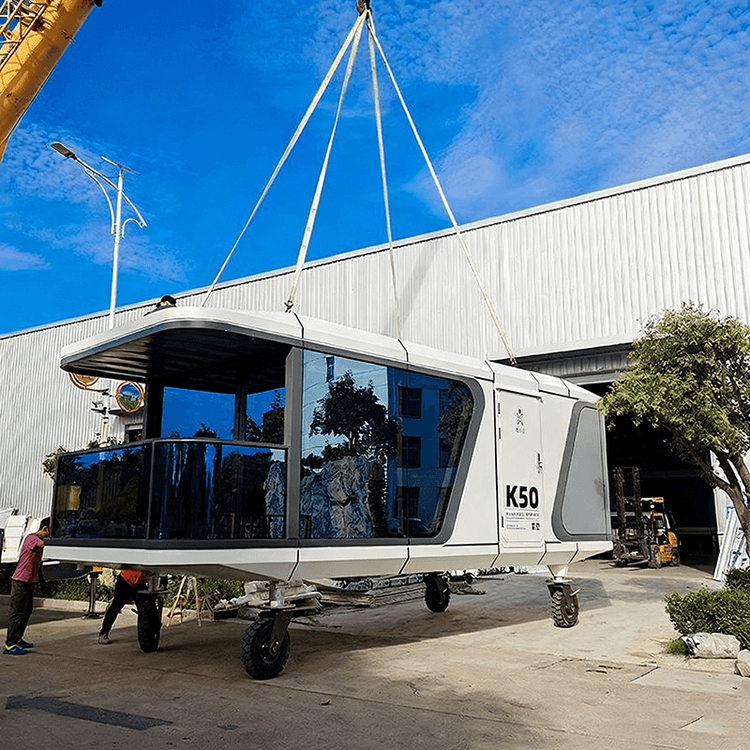
Container houses are integrated buildings with containers or light-steel frames as the main structure, constructed through factory prefabrication and on-site assembly. Their core advantages include:
- Efficient Construction: The main structure is prefabricated in the factory, and only lifting and assembly are required on-site. It is less affected by weather conditions, and the construction period is shortened by more than 50% compared to traditional buildings.
- Strong Safety Performance: The light-steel structure, combined with reliable connection methods, can withstand earthquakes of magnitude 8 or above and strong winds of level 12, making it suitable for earthquake-prone areas or regions with frequent typhoons.
- High Residential Comfort: The walls integrate insulation, soundproofing, and fire-resistant materials (such as rock wool and polyurethane), resulting in small indoor temperature differences and better noise control than simple panel houses.
- Environmental Sustainability: The recycling rate of light-steel materials exceeds 90%, and construction waste is reduced by 70% after demolition, aligning with global trends in low-carbon construction.
- Significant Cost-Effectiveness: In areas where property prices are rising faster than income growth, container houses offer a low-cost housing solution, with initial investments being only 30%-50% of those for traditional buildings.
II. Applicable Scenarios
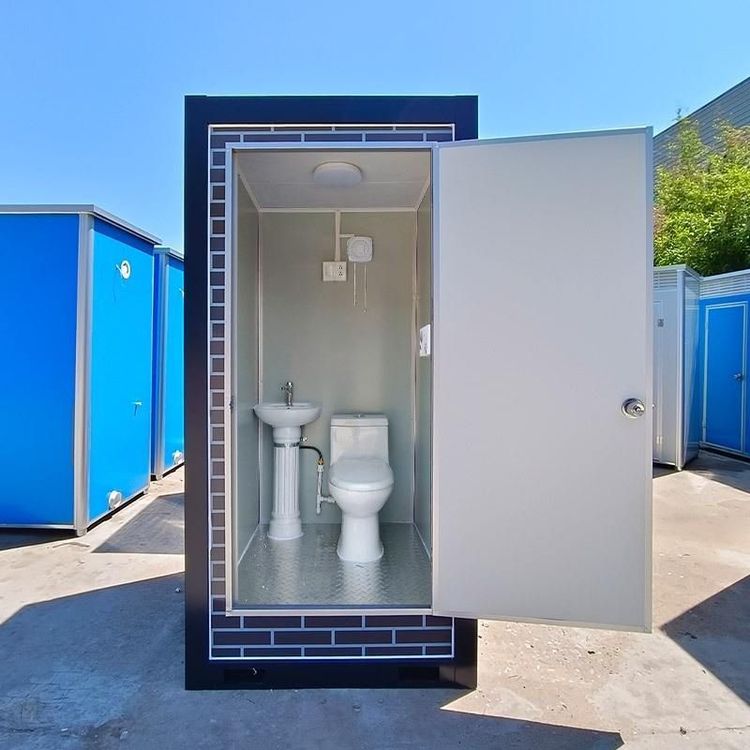
- Temporary Building Needs: Construction site dormitories, post-disaster transitional housing, mobile guesthouses in scenic spots, etc., can be quickly deployed and flexibly dismantled.
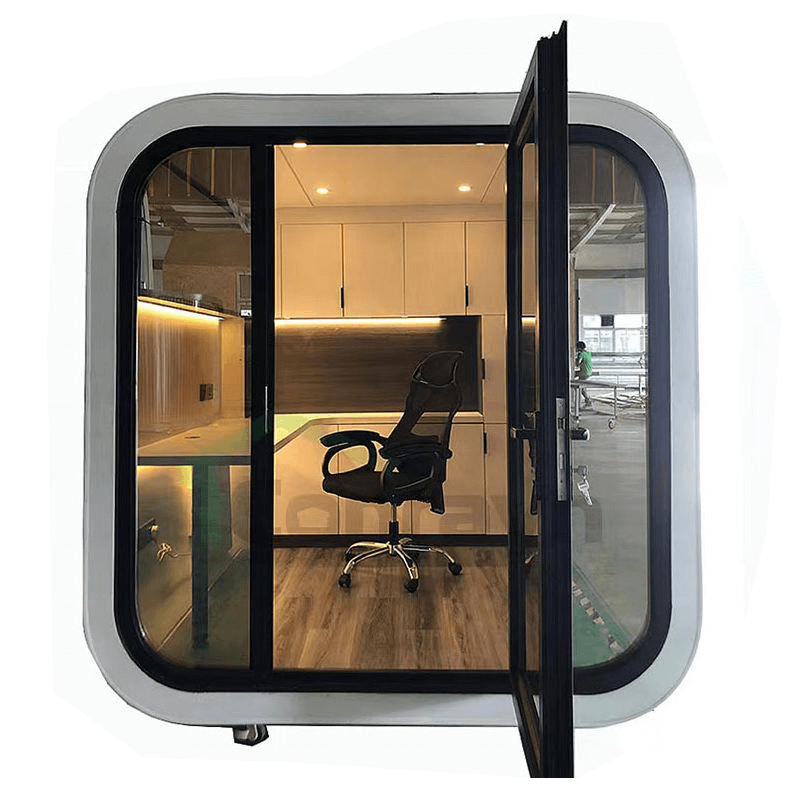
- Emerging Lifestyles: Scenarios such as remote work, mobile living, and Airbnb short-term rentals support personalized customization and modular expansion.
- Complex Terrain Adaptation: The light-steel structure has a low self-weight (about 0.3-0.5 tons per square meter) and low foundation requirements, making it suitable for non-standard sites such as mountains and beaches.
III. Purchase/Rental Recommendations
- Choose Integrated Enterprises: Prioritize manufacturers that integrate design, manufacturing, construction, and after-sales services (such as Shandong Kaweiying Metal Structure Manufacturing Co., Ltd.) to ensure component quality and full-process services.
- Focus on Materials and Processes: Use hot-dip galvanized or aluminized zinc steel (with corrosion resistance increased by 3-5 times), and enclose structural components within composite walls to avoid direct exposure to the environment.
- Modular Expandability: Choose expandable designs (such as adding floors or functional modules) according to needs to support future functional upgrades or scale expansion.
IV. Market Trends in 2026
- Sustainability Drives Demand: The global housing market is transitioning towards low-cost, high-flexibility, and low-carbon emission solutions, with container houses becoming a mainstream alternative, especially with significant growth in developing countries.
- Improved Supply Chain Efficiency: Models such as local warehouses, 48-hour delivery, and AI product selection (such as the Accio Work platform) will shorten procurement cycles and reduce logistics costs.
Action Recommendations: For specific manufacturer services or quotes, refer to the case of Shandong Kaweiying Metal Structure Manufacturing Co., Ltd., or obtain supplier resources through global market platforms such as Accio Work.