Why Portable Toilet Design Matters: A Quick Guide
The design of portable toilets is crucial as it integrates practicality, hygiene, sustainability, and user-friendliness, making it a key solution for sanitation management in dynamic and resource-constrained environments.
1. Flexibility and Convenience
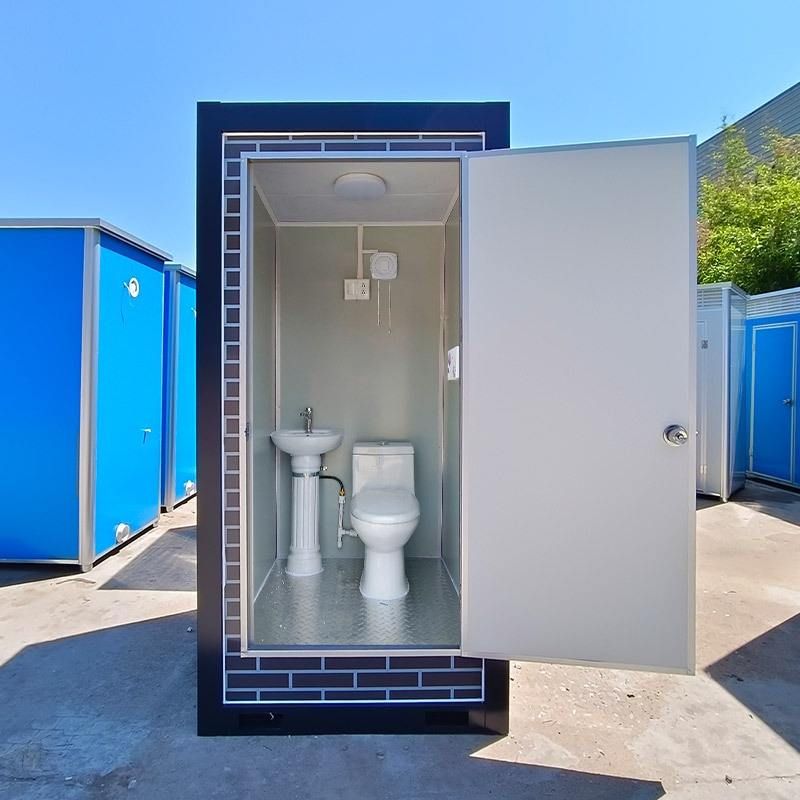
The core advantage of portable toilets lies in their mobility. Their independent box structure allows them to operate without relying on underground sewage systems or fixed water sources, enabling rapid deployment in construction sites, music festivals, disaster areas, and other scenarios. This flexibility ensures that sanitation facilities can be instantly relocated in response to changing demands, effectively addressing temporary or emergency needs and preventing sanitation crises caused by insufficient fixed facilities.
2. Hygiene and Health Protection
Modern designs isolate users from the external environment through enclosed spaces, reducing contamination risks. Equipped with antibacterial materials, disposable seat covers, and hand sanitizers (some with small sinks), they block the spread of pathogens at the source. Biological or chemical degradants added to the waste storage tanks decompose waste, inhibit bacteria, and eliminate odors, while forced ventilation systems maintain air circulation, significantly lowering the probability of disease transmission.
3. Environmental Friendliness
Centralized collection and treatment of waste prevent direct pollution of soil and water sources. Some models adopt water-saving designs or dry-seal technologies to reduce water consumption, while their reusable nature minimizes resource waste caused by the construction and demolition of fixed facilities, aligning with the principles of a circular economy.
4. Space and Cost Optimization
Compared to traditional fixed toilets, portable toilets occupy less space and can be dynamically adjusted in quantity based on real-time usage data. Their factory-prefabricated nature simplifies installation processes during large-scale events or peak tourist seasons, saving time, labor, and financial costs, especially in scenarios with fluctuating demands.
5. Standardized User Experience
Uniform internal layouts, privacy protection, ventilation, and lighting designs provide users with predictable sanitation environments, reducing uncertainties associated with outdoor toilet use. Strategic placement along traffic routes or queuing areas shortens walking distances and waiting times, enhancing public satisfaction.
6. Multi-Scenario Adaptability
From urban public spaces to remote travel destinations, and from daily use to emergency rescue operations, portable toilets serve various purposes. For example, a foldable toilet designed in Germany (measuring just 12×28 cm when folded) initially addressed long queues for women but has since expanded to car travel and outdoor gatherings. In China, mobile toilets are deployed in tourist hotspots and commercial districts to fill gaps in public facilities.