
Portable Toilet Custom: Top Options & Considerations
The customization of portable toilets should focus on structure, functionality, environmental adaptability, and usage scenarios, with core considerations including material selection, functional configuration, environmental adaptability, and maintenance standards.
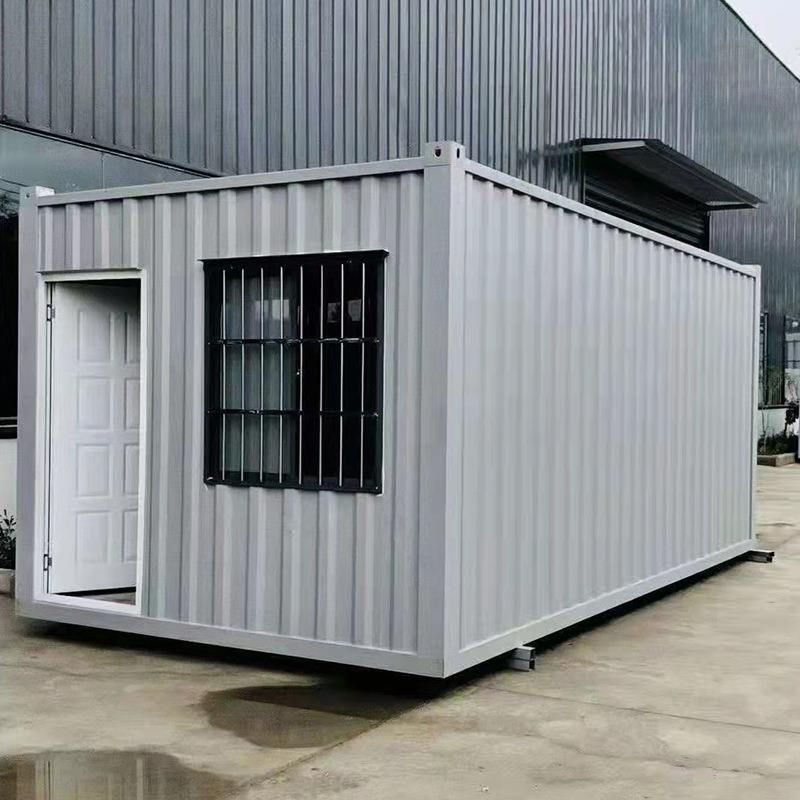
1. Structure and Material Customization The main frame of a portable toilet should be made of metal structural components (such as welded or bolted connections) to ensure load-bearing stability and adaptability to long-term use or frequent relocation scenarios. Composite panels are recommended for wall materials, as their insulation and heat-retention properties can handle different climatic conditions. For example, high-density insulation materials are needed in cold regions to prevent heat loss. In terms of appearance, some manufacturers offer unique designs (such as space capsule or apple pod shapes) that balance functionality with environmental harmony, meeting aesthetic needs in scenic spots and high-end events.
2. Functional Module Configuration Basic configurations should include a toilet unit, sink, mirror, coat hook, exhaust fan, and lighting system to meet basic usage needs. For special populations, barrier-free designs (such as handrails and widened doorways) can be added. Sewage disposal methods should be selected based on site conditions: water-flush toilets require connection to municipal sewage networks or配套 (supporting) septic tanks, suitable for long-term fixed locations; waterless toilets use microbial degradation or bagging collection, suitable for temporary sites without water supply and drainage (such as construction sites and music festivals). High-end options can include built-in sinks, flushing systems, non-slip floors, and translucent roofs to enhance user comfort.
3. Environmental Adaptability Design In low-temperature environments, high-density insulation materials, auxiliary heating equipment, and pipe insulation wrapping should be used to prevent pipe freezing and cracking. For wind resistance, the main frame should have sufficient stiffness, and foundation fixing methods should be adjusted according to soil conditions (such as concrete pouring or ground anchor fixing). Some manufacturers conduct wind resistance tests to verify structural integrity.
4. Hygiene and Maintenance Standards Choose rental services that meet high hygiene standards to ensure regular cleaning, disinfection, and replenishment of consumables (such as hand sanitizers and toilet paper). Prioritize suppliers with a nationwide service network and reliable equipment quality (such as RTM Portable Toilet) to ensure efficient subsequent maintenance.
5. Special Scenario Requirements Emergency rescue scenarios require quickly deployable, durable basic models; high-end events can be equipped with units featuring luxurious interiors and independent handwashing areas; scenarios with strict environmental requirements (such as ecological reserves) should use water circulation systems or microbial degradation technologies to reduce water consumption. Additionally, quantity planning should consider expected foot traffic, usage scenarios, and local regulations, with modular designs supporting flexible combinations to adapt to different site space constraints.



