
Back to blog
Article
Portable Toilets for Construction Sites
Admin October 11, 2026
Portable toilets for construction sites are sanitation facilities designed for temporary, mobile, or locations lacking fixed sewage systems, such as construction sites. They feature mobility, modularity, and ease of transportation, enabling rapid deployment and reuse.
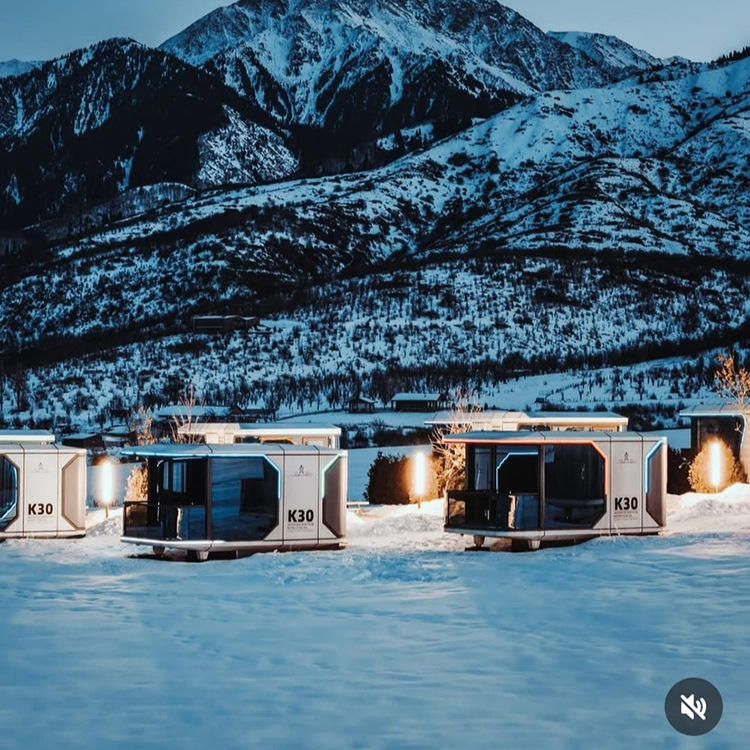
I. Core Functions and Advantages
- Flexible Deployment: They can be quickly transported to any construction site via integral lifting or modular assembly, adapting to various terrains and project timelines.
- Diverse Sewage Disposal Methods:
- Water-flush Direct Discharge: Relies on municipal sewage systems, suitable for sites with supporting facilities.
- Microbial Degradation: Utilizes bacterial colonies to decompose waste, requiring no external water source, environmentally friendly, and water-saving.
- Vacuum Collection/Mechanical Packaging: Collects waste through negative pressure or sealed bags, reducing odor dispersion.
- Direct Discharge: Directly discharges into septic tanks, requiring regular cleaning.
- Voltage Adaptability: Supports different voltages such as 115V, 24V, and 110V, meeting the power needs of various equipment.
- Adjustable Height: Common height ranges from 2.3m to 3000mm, accommodating different spatial constraints.
II. Product Types and Suitable Scenarios
- Single-unit Portable Toilets: Independent compartment design, suitable for areas with dispersed foot traffic or limited space (e.g., small construction sites, temporary event venues).
- Modular Portable Toilets: Modular assembly allows expansion into multiple toilet stalls, equipped with sinks, urinals, etc., suitable for large construction sites or high-traffic scenarios.
- Special-need Types:
- Barrier-free Toilets: Facilitate use by disabled individuals.
- Eco-friendly Toilets: Adopt microbial degradation or recycled water flushing technology to reduce environmental pollution.
- Luxury Portable Toilets: Equipped with air conditioning, lighting, ventilation fans, etc., enhancing user comfort.
III. Material and Structural Features
- Main Frame: Generally constructed with steel frames to ensure stability and durability.
- Exterior Wall Materials: Options include galvanized steel sheets, stainless steel sheets, aluminum sheets, or metal embossed panels, balancing corrosion resistance and aesthetics.
- Interior Treatment: Rock wool or polyurethane insulation for thermal and sound insulation, anti-slip floors with waterproof layers for enhanced safety and practicality.
- Door and Window Design: Aluminum alloy profiles with insulated tempered glass ensure light transmission while enhancing impact resistance.
IV. Customization Process and Timeline
- Requirement Communication: Determine dimensions, layout, door and window positions, electrical configurations (e.g., socket and lighting reservations), and exterior colors.
- Design Proposal: The company provides a reasonable plan based on site conditions, proceeding to factory prefabrication upon confirmation.
- Production and Transportation: Production takes approximately 7 to 15 days (longer for complex plans), with products transported as integral units or modules.
- On-site Installation: After leveling the foundation, lift or assemble the units and connect water and electricity for immediate use.
Yinchuan offers rental and sales services for container-type color-steel男女 (male and female) restrooms and temporary construction site portable toilets, supporting rapid setup to meet short-term or long-term needs of construction projects.



