
Back to blog
Article
3A Mobile Toilet Standard
Admin October 11, 2026
The 3A mobile toilet standard covers multiple aspects including building area, specific configurations, facility provisions, sanitary conditions, environmental protection and energy efficiency, clear signage, barrier-free facilities, and adaptability to special scenarios. Details are as follows:
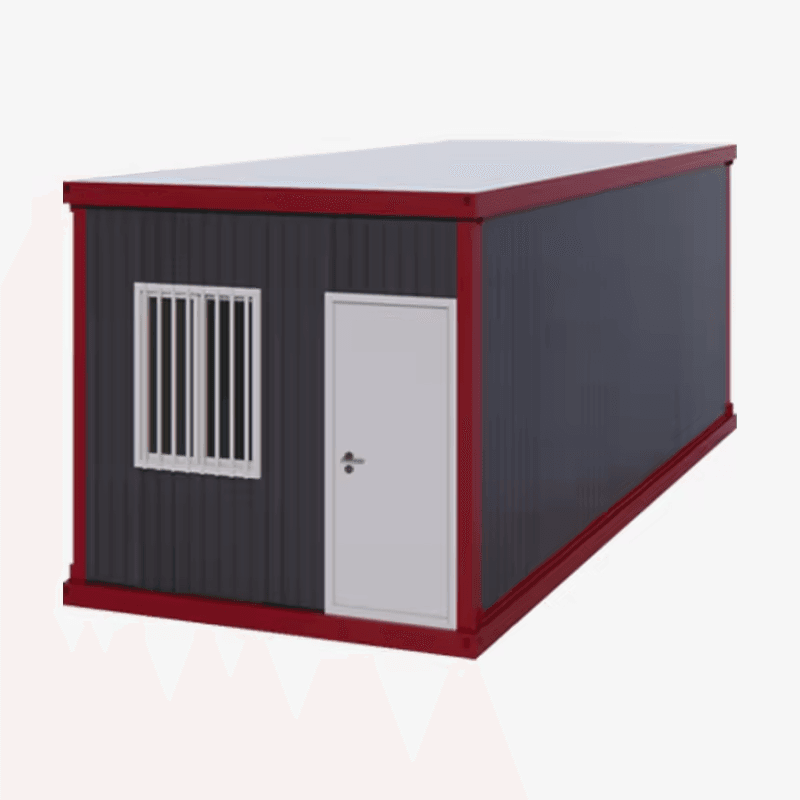
- Building Area: The total building area of a 3A mobile toilet must be at least 80 square meters, including auxiliary spaces such as equipment rooms and hand-washing basins. For standalone toilets, the indoor clear height must be over 3.2 meters, while for attached public toilets, the height follows the building's floor height. Some scenic spots may adjust dimensions according to actual needs. For example, the dimensions of a two-stall trailer-mounted mobile toilet should be no less than 5.15 meters × 2.5 meters × 3.1 meters, but the total area must still meet the standard of being no less than 80 square meters.
- Specific Configurations: In terms of equipment rooms, the management room should be 6 square meters, and the tool room should be 1.5 square meters. Inside the toilet, there should be barrier-free stalls and a third toilet, each with an area of 6.5 square meters, equipped with independent hand-washing counters and low-position hand-washing basins. For stall dimensions, the net usable size for inward-opening doors should be no less than 1.4 meters (width) × 1.0 meter (depth), and the spacing between urinals should be no less than 0.7 meters.
- Facility Provisions: The toilet should be equipped with a sufficient number of toilets, urinals, hand-washing basins, toilet paper, etc., while ensuring the integrity and comfort of the facilities. Hand-washing equipment, hand-drying equipment, and ventilation equipment should also be fully equipped. Standard provisions include high-end sensor-activated environmentally friendly toilets, sensor-activated urinals, sensor-activated hand-washing basins, coat hooks, vanity mirrors, waste paper baskets, lighting fixtures, stainless steel handrails, low and high exhaust fans, door locks, LED occupancy displays, and toilet paper holders.
- Sanitary Conditions: The toilet should be cleaned daily to maintain dryness and cleanliness, with no odors or stains. Hand-washing basins, toilets, floors, etc., should be cleaned and disinfected daily to ensure good sanitary conditions.
- Environmental Protection and Energy Efficiency: The design and use of the toilet should meet environmental protection and energy efficiency requirements, such as using water-saving sanitary fixtures and making full use of natural light to reduce energy and water consumption.
- Clear Signage: The toilet's signage should be clear and easy to understand, facilitating quick location by users and improving usage efficiency.
- Barrier-Free Facilities: The toilet should be equipped with barrier-free facilities, such as low-position hand-washing basins and stainless steel handrails, to facilitate use by disabled individuals and other special groups.
Related



