Portable Toilet Container: A Practical Buyer's Guide
Portable Toilet Containers are temporary or phased toilet solutions suitable for scenarios such as stations, construction sites, and tourist areas. When purchasing, it is necessary to comprehensively consider factors such as type, material, functionality, and cost.

Product Types and Applications
Portable Toilet Containers can be classified by structure into single or composite structures, by mobility into hoisting types (requiring lifting equipment for transportation) and powered towing types (tractable by vehicles), and by sewage treatment methods into flush types (dependent on water sources), waterless suction types (requiring periodic fecal removal), recirculating flush types (water-saving and reducing sewage discharge), and dry packing types (no water required, with fecal matter packed for disposal). Different types are suitable for different scenarios: For example, towing or recirculating flush types are preferred for large events to reduce sewage pressure, while dry packing types are more economical and practical for construction sites.
Core Components and Materials
The main components include fecal sewage storage tanks, flooring, sanitary fixtures, walls, water tanks, roofs, and mobility devices. Material selection directly affects durability and environmental friendliness:
- Fiberglass offers earthquake resistance (>8 on the Richter scale) and wind resistance (>220 km/h), as seen in products from Shanghai Sunnyda.
- Combinations of polyethylene or stainless steel with insulation layers and tempered glass provide a balance of lightweight construction and corrosion resistance, suitable for cold or humid environments.
Customization and Specifications
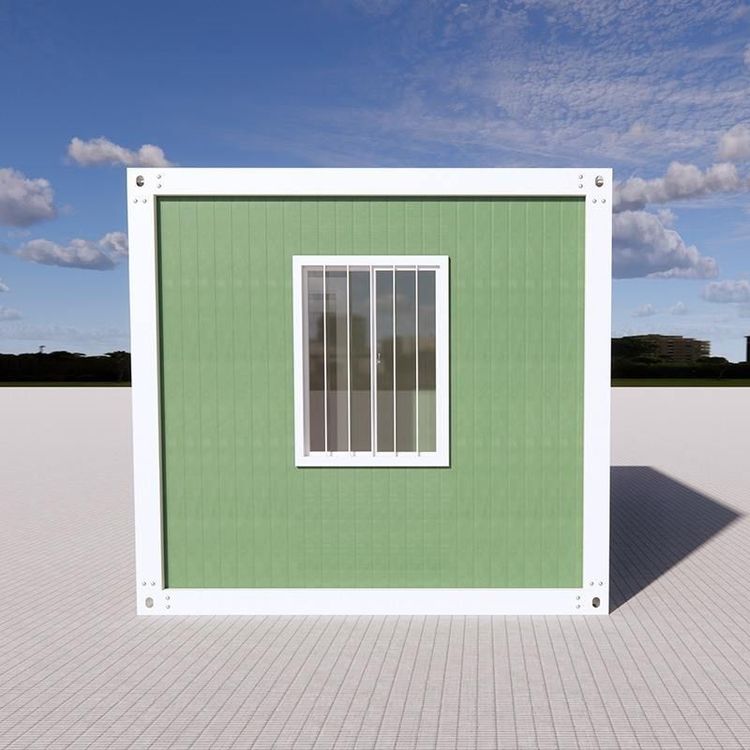
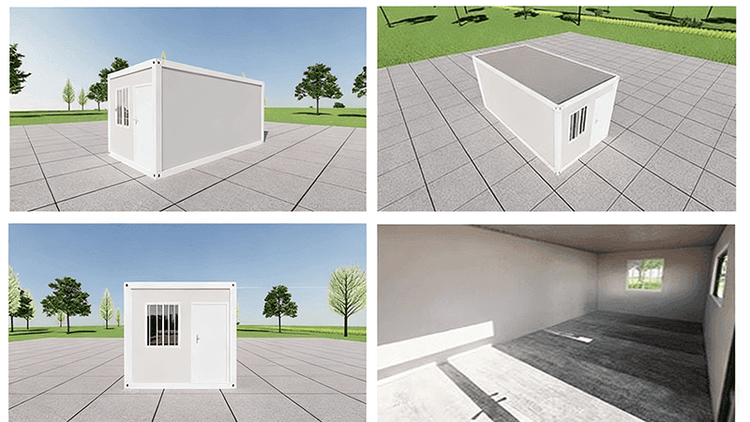
Most suppliers support customization of dimensions, colors, and functional modules. Standard dimensions are 2.435m × 6.055m or 2.435m × 12.110m, with four units bundlable for 20-foot container transportation to reduce logistics costs. Prices fluctuate based on quantity: approximately $6,000 per unit for 1-9 units, dropping to $4,000 per unit for over 50 units; additional features like recirculating water systems enhance resource utilization, suitable for scenarios with high environmental requirements.
Installation and Maintenance
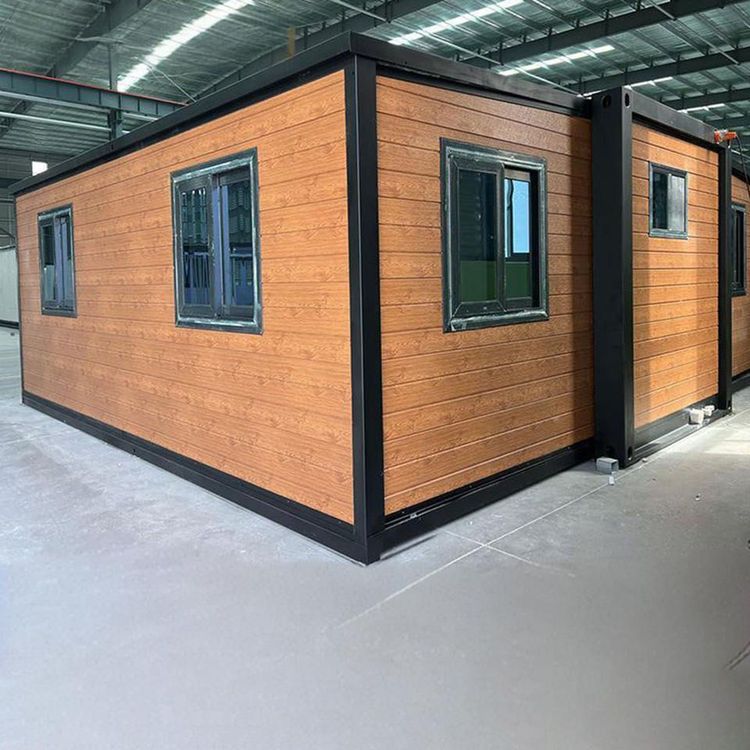
Modular design supports rapid assembly, with four skilled workers able to complete standard unit installation within four hours. Maintenance involves regular cleaning of sewage tanks, inspection of the sealing of flush systems or dry packing devices, with some products offering a one-year after-sales service.
Cost and Procurement Advice
Basic models cost approximately $4,000-$6,000 per unit, with high-end models (such as towing toilets with shower facilities) reaching $11,000-$50,000 per unit. Prioritize manufacturers certified by ISO and CE (such as Shandong Linyi Lebon and Shanghai Sunnyda) to ensure quality and delivery capabilities; common trade terms include FOB Qingdao Port or CIF/DDP door-to-door services, with payment methods supporting letters of credit (LC) or telegraphic transfers (T/T).
Before procurement, clarify usage scenarios, budget, and maintenance capabilities, prioritizing modular products for flexible combination and rapid deployment.