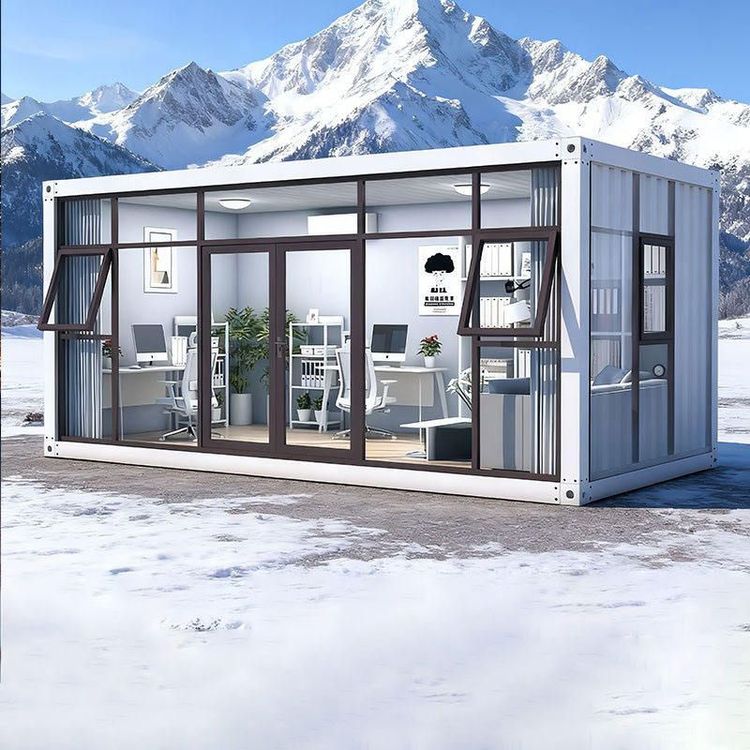
Portable Toilet for Camping: What to Consider
When choosing a portable toilet for camping, it is essential to consider six aspects: structural durability, design preference, modular functionality, portability, safety compliance, and pricing for bulk purchases.
1. Structure and Durability
Portable toilets must withstand the complexities of outdoor environments. Prioritize products made from lightweight yet high-strength materials like corrosion-resistant sandwich panels. These materials ensure structural stability while effectively resisting harsh conditions such as moisture and temperature variations, thereby extending the product's lifespan. For instance, some premium models reduce weight by 30% while enhancing impact resistance by 50% through optimized material ratios, making them suitable for long-term camping or frequent relocation.
2. Design Preference and Hygiene
Choose between squat or seated designs based on usage habits. Squat toilets align with cultural preferences for some users and reduce water consumption by 30% compared to traditional seated models, making them ideal for water-limited camping environments. Seated toilets prioritize comfort, catering to the elderly or those with mobility issues. Additionally, sealed designs (e.g., double-layer leak-proof structures) prevent odor spread, while detachable inner tanks in some models simplify cleaning and maintenance.
3. Modular Customization
Premium models support modular expansion, allowing the addition of ventilation systems (e.g., built-in fans), heating modules (for winter use), or lighting devices (for nighttime use). For example, heating modules prevent waste from freezing in winter camping scenarios, while ventilation systems eliminate odors quickly through activated carbon filtration or forced exhaust, enhancing the user experience.
4. Portability and Compactness
Opt for toilets with foldable or detachable structures, typically weighing between 5-15 kg. These models reduce volume by up to one-third when folded, facilitating easy transport. Some feature split designs, separating the water tank from the bowl to reduce individual component weight and simplify cleaning. Additionally, anti-slip bases ensure stability on uneven terrain.
5. Safety and Compliance
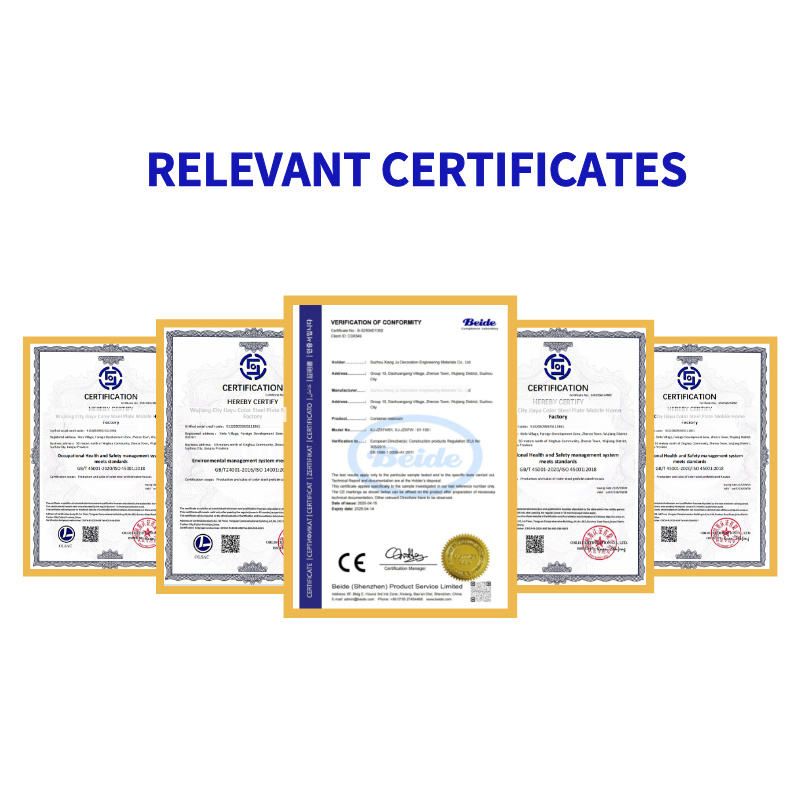
Ensure products meet international safety certifications (e.g., SAA, TUV SUD, CE), which indicate compliance with electrical safety, material environmental standards, and structural integrity. For instance, CE certification requires non-toxic materials capable of withstanding temperatures from -20°C to 60°C, while TUV SUD certification focuses on leak-proof performance testing to guarantee safety.
6. Pricing and Bulk Purchases
For bulk buyers (e.g., camping teams or event organizers), explore suppliers' tiered pricing strategies. Typically, unit prices drop by 10%-20% for orders exceeding 10 units and by over 30% for orders above 50 units. Some brands also offer rental services, reducing costs for short-term use.