Construction Site Mobile Toilet Rest Platform
Mobile toilets at construction sites are often equipped with rest platforms or have rest-related functions, and some companies offer such integrated facilities. Although a complete definition of 'construction site mobile toilet rest platform' has not been directly found, its core features and application modes can be clarified by combining industry practices with product information from relevant companies.

1. Integration Forms of Mobile Toilets and Rest Functions
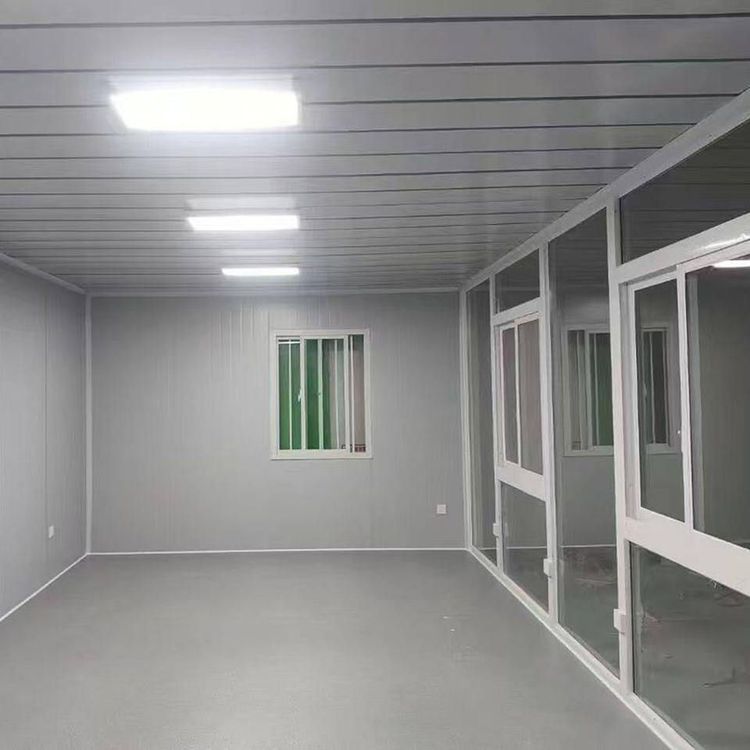
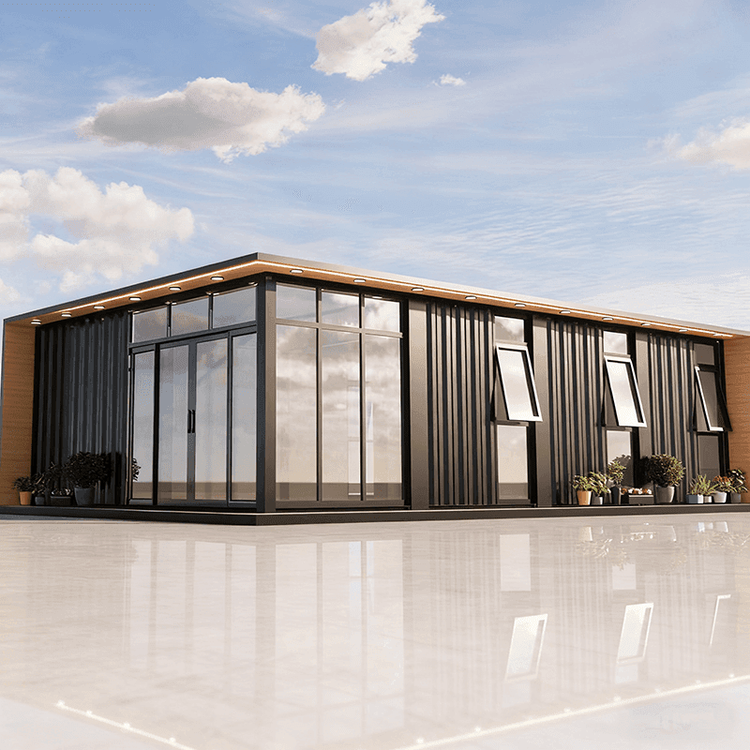
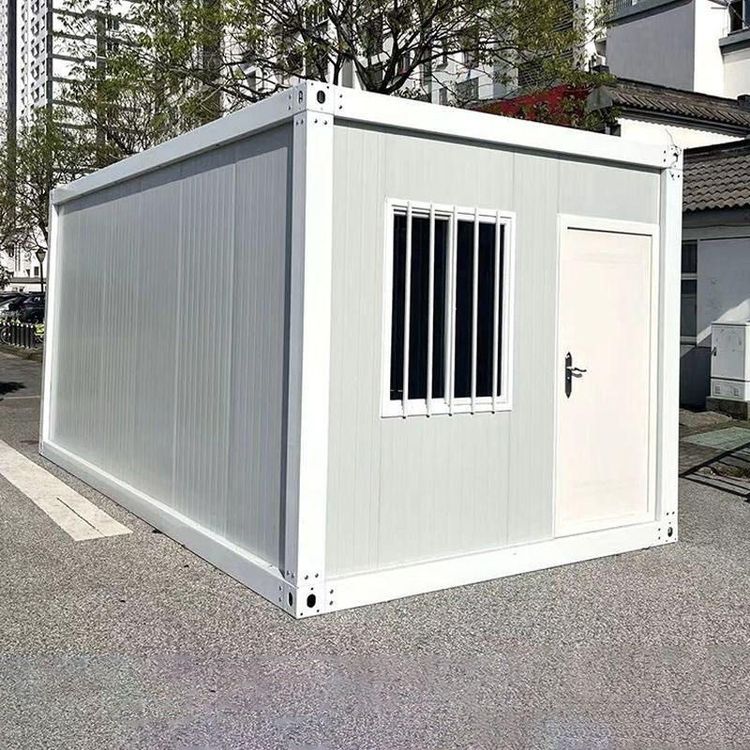
Some companies produce mobile toilet products that have integrated rest functions. For example, the 'Sanitation Worker Rest Room' primarily offered by Xi'an Zhonghong Construction Engineering Co., Ltd. is often constructed alongside mobile toilets, forming an integrated facility that combines toilet use with short-term rest. This design achieves functional superposition through modular combination, meeting the basic physiological needs of construction site personnel while providing temporary rest spaces that offer shade and shelter from the rain. Henan Qiantong Environmental Protection Equipment Co., Ltd.'s 'Sanitation Worker Rest Room' also adopts a similar model, where its water-free packaged mobile toilets can be physically isolated from the rest area or partitioned off to ensure convenience of use and privacy.
2. Applicable Scenarios and Structural Features
Construction site scenarios have high requirements for the mobility and durability of facilities. The mobile toilet products provided by Falilai Group are explicitly suitable for infrastructure construction scenarios. Their structures typically use light steel frames and anti-corrosion panels, with adjustable feet or wheeled chassis at the bottom for rapid deployment and relocation. The accompanying rest platforms often adopt an open design, equipped with simple seats, sunshades, and lighting equipment. Some high-end models also add user-friendly facilities such as water dispensers and charging ports. These facilities reduce manufacturing costs through standardized production while achieving functional expansion through modular design, such as adding storage cabinets and tool racks specific to construction sites.
3. Technological Implementation and Environmental Requirements
The environmental performance of mobile toilets directly affects their suitability for construction sites. Current mainstream products use water-free packaging, foam sealing, or microbial degradation technologies to avoid the odor and pollution problems of traditional dry toilets. For example, Henan Qiantong Environmental Protection's water-free packaged mobile toilets collect excrement in biodegradable plastic bags, which are regularly cleared and transported by special vehicles, requiring no water source or sewage pipeline throughout the process. The accompanying rest areas reduce energy consumption through natural ventilation and solar lighting systems, aligning with the concept of green construction. Some companies also offer leasing services, further reducing the initial investment costs for construction sites.
4. Industry Regulations and Safety Standards
Mobile toilets and rest platforms at construction sites must comply with regulations such as the 'Environmental and Hygiene Standards for Construction Sites'. For example, the spacing between facilities should meet fire lane requirements, the load-bearing capacity of rest platforms should pass structural safety tests, and electrical wiring should adopt explosion-proof designs. Companies must pass ISO9001 quality management system certification during production to ensure their products meet national environmental and safety standards.