Considerations for Choosing Container Houses for Construction Sites
When selecting container houses for construction sites, it is essential to consider factors such as purpose, features, customization, and quality control.

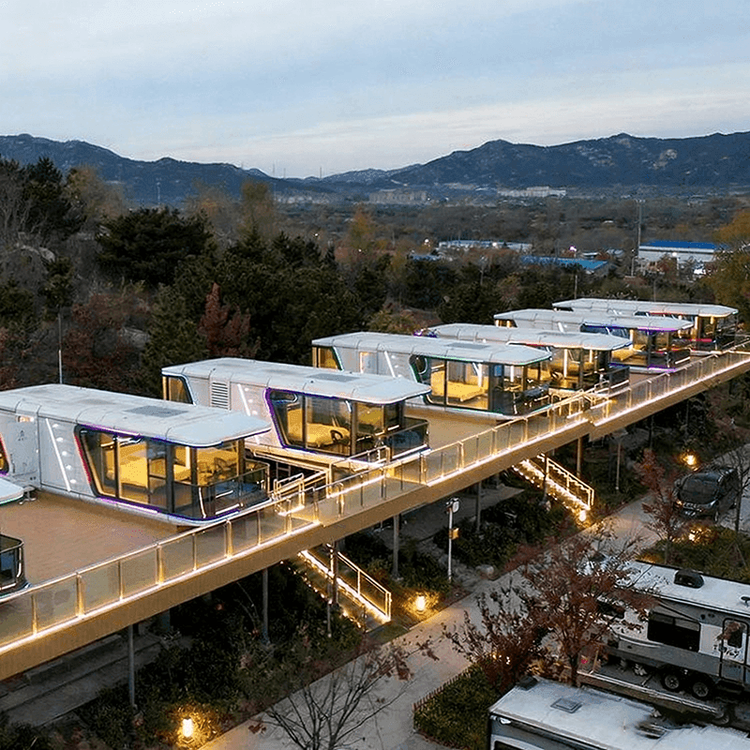
Purpose and Functionality: Container houses serve a wide range of purposes on construction sites. The most common use is as worker dormitories, providing a relatively comfortable living environment for workers. Additionally, they can function as temporary offices to meet the daily administrative needs of site managers. When used as warehouses, they effectively store construction materials, tools, and other supplies. As workshops, they can accommodate small-scale processing or equipment operations. Clearly defining their purpose enables better selection of the appropriate type and size of container house.
Features and Advantages: Container houses offer numerous advantages. They are sturdy and durable, capable of withstanding external impacts to ensure the safety of personnel and items inside. They are easy to assemble and disassemble, saving time and labor costs. They possess eco-friendly characteristics, with recyclable materials. Their high flexibility allows them to be moved according to site layout and requirements. Their relatively low cost, compared to traditional buildings, reduces construction expenses and enables rapid deployment to meet temporary housing needs on construction sites promptly.
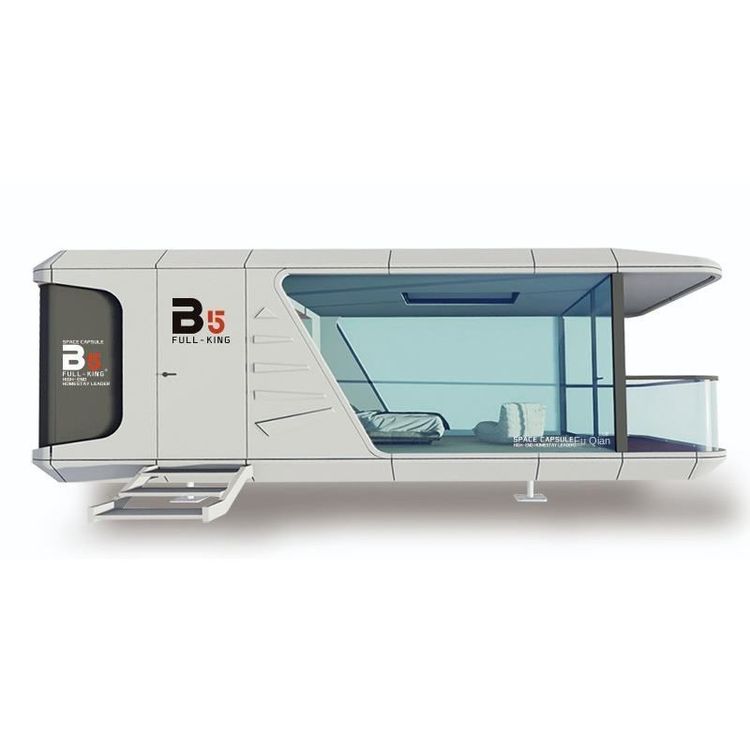
Customization: Container houses can be customized according to actual needs. For example, Japanese minimalist-style container houses are movable and suitable for various scenarios, such as construction site workshops and residential buildings. They can also be customized with different functions, such as warehouses, villas, dormitories, temporary offices, and workshops. Additionally, various sizes and specifications are available, such as 20'GP or 40'HQ. To fully utilize container space, it is recommended that the length does not exceed 11.8 meters.
Quality Control: High-quality design solutions should consider potential issues in advance. Qualified raw materials should be selected to ensure the strength and stability of container houses. Precise manufacturing techniques should be employed during production, operated by experienced workers, and subjected to strict quality inspections to ensure that each step meets standards, thereby guaranteeing the quality and lifespan of container houses.