
Back to blog
Article
Portable Toilet Movable Custom & OEM: Design & Bulk Production Guide
Admin October 27, 2026
The custom design and bulk production of portable toilets should focus on functional adaptability, modular expandability, and compliance. Here is a detailed guide:
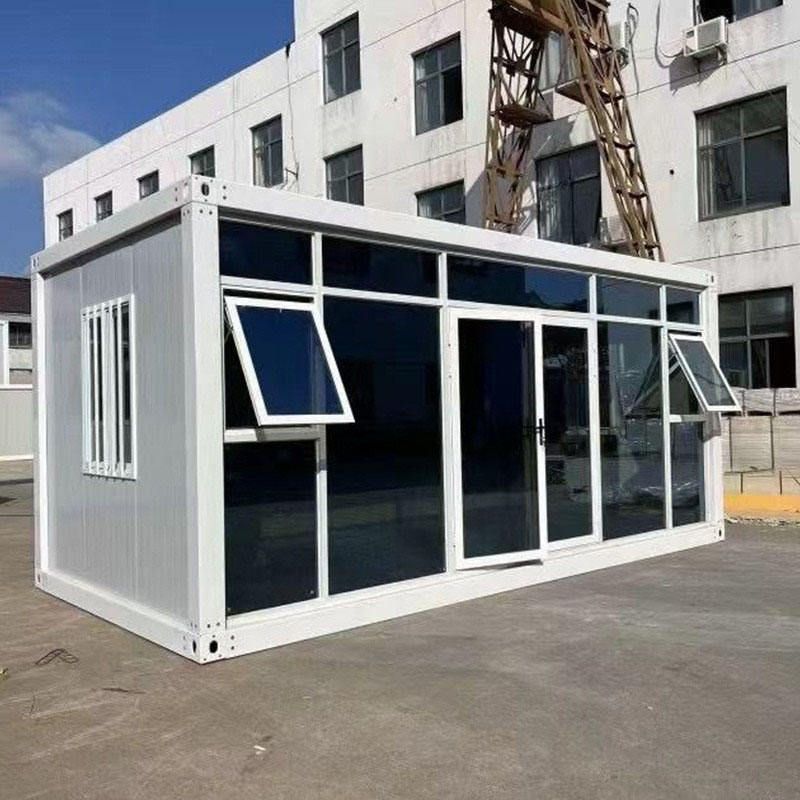
I. Design and Functional Features
- Modular Structure
- The main frame uses an aluminum alloy base paired with EPS sandwich panels (or fiberglass, polyethylene), supporting single or multi-unit拼接 (splicing) combinations for construction sites, temporary events, government public projects, and other scenarios.
- Roof and wall thickness can be customized (e.g., 50mm), balancing lightweight design with structural strength.
- Portability Optimization
- Some products feature a foldable design, reducing weight by 30% compared to traditional metal materials for easier vehicle transportation or home storage.
- Integrated accessories such as seats, lids, and toilet paper holders support shared use by adults and children, meeting needs in pipe-free areas like camping sites and emergency rescue scenarios.
- Environmental Compliance
- Certified by German EPR, French EPR, and other environmental packaging standards to ensure materials are recyclable or biodegradable, complying with international environmental regulations.
II. Customization Options
- Size and Material Adjustments
- Width customizable up to 1.1 meters, height up to 2.3 meters, to fit varying spatial requirements.
- Material options include aluminum alloy + sandwich panels (corrosion-resistant, heat-insulating) or corrosion-resistant plastics (low-cost, lightweight).
- Functional Expansions
- Add windows, doors, electrical systems (lighting, sockets), and plumbing systems, or even integrate shower units to create multi-functional sanitation units.
- Support OEM services, allowing customers to customize logos, exterior colors, or special markings to strengthen brand identity.
- Scenario-Specific Designs
- Enhance structural stability for extreme environments (e.g., oil fields, mines); optimize foldable portability for camping sites.
III. Bulk Production Parameters
- Minimum Order Quantity (MOQ)
- Most suppliers require a minimum of 10 units per batch, with some manufacturers open to negotiating small-scale trial production.
- Production Capacity and Lead Time
- Large-scale manufacturers (e.g., a Foshan-based company) can produce up to 2,000 units per month, with lead times of approximately 15-30 days (depending on order complexity).
- Certification Standards
- Must pass certifications such as ISO (quality management), CE (EU safety), SGS (general testing), BV (French Bureau Veritas), and ASTM (American material standards) to ensure compliance with international market access requirements.
IV. Typical Application Scenarios
- Short-term, high-traffic scenarios: Music festivals, sports events, disaster relief (rapid deployment, easy disassembly).
- Long-term, fixed scenarios: Construction sites, oil fields, mines, rural public facilities (high durability and corrosion resistance required).
- Special-need scenarios: Military camps (concealment), school projects (child safety design), pipe-free areas (independent plumbing systems).
Tip: Before customization, clarify usage scenarios, budget, and compliance requirements. Prioritize suppliers supporting modular expandability (e.g., Foshan SOEASY MODULAR HOUSING CO.,LTD) to reduce long-term maintenance costs.
Related



