Back to blog
Article
Container House For Sale: Types, Features & Buying Tips
Admin October 27, 2026
Container houses mainly come in four types: prefabricated lightweight, foldable, detachable, and luxury models. They possess characteristics such as durability, modularity, and energy efficiency. When purchasing, it is essential to evaluate needs, customization options, certifications, prices, installation support, and sustainability.

Types of Container Houses
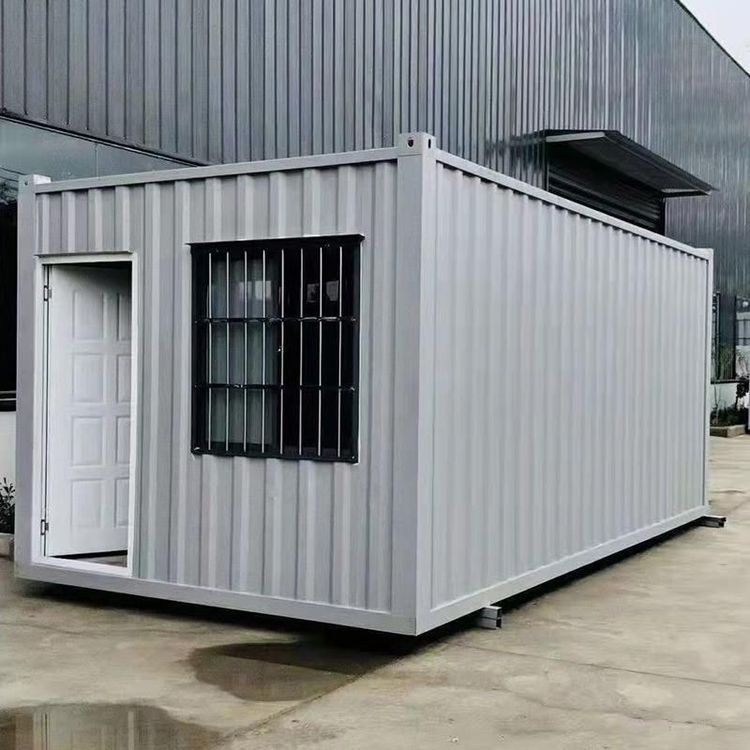
- Prefabricated Lightweight Container Houses: These feature a modular design with flat roofs, suitable for leisure facilities, hotels, and residential spaces. They offer flexible assembly and convenient transportation.
- Foldable Container Houses: These have a compact structure and can be quickly deployed, making them ideal for construction sites, emergency shelters, and temporary staff quarters. Installation requires only 4-6 people and takes 30-90 minutes.
- Detachable Container Houses: Components are prefabricated in factories and connected on-site with bolts. The layout and panels can be customized, commonly used for offices, camps, and modular spaces.
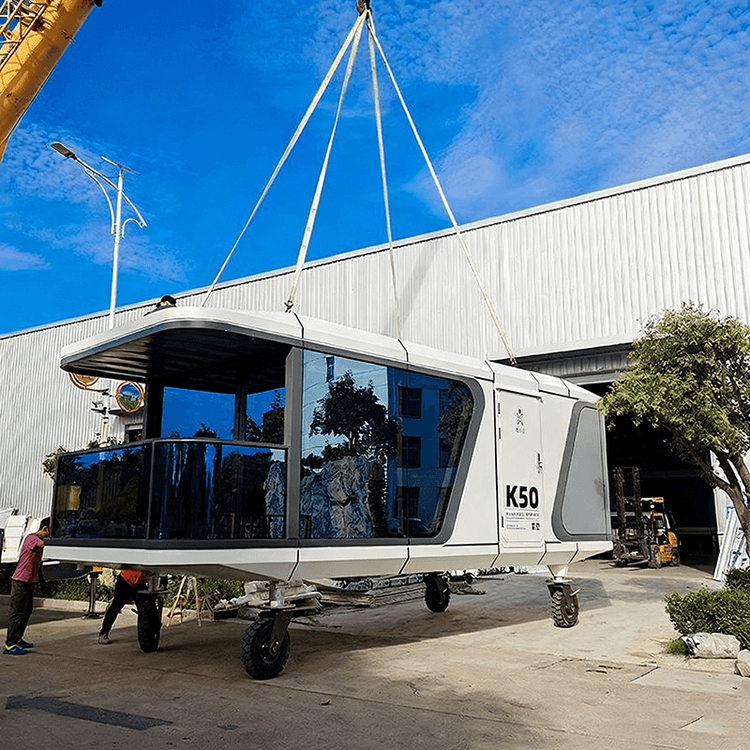
- Luxury Container Houses: These represent a new generation of modular buildings, utilizing eco-friendly materials and offering rapid installation. They are suitable for dormitories, temporary offices, hotels, and schools.
Core Features
- Materials and Durability: Steel frames and sandwich panel structures ensure resistance to wind and rain, while fully galvanized steel provides excellent corrosion resistance.
- Modular Design: Lightweight design facilitates transportation, and assembly on-site does not require heavy equipment. Foldable models offer extremely high installation efficiency.
- Energy Efficiency: Large glass windows and doors enhance natural lighting, while EPS or rock wool insulation panels and roofing systems optimize thermal performance, reducing energy consumption.
- Customization: Interior and exterior finishes can be flexibly adapted for office or residential settings, supporting customization of brand logos, packaging, and patterns (minimum order of 1 unit).
- Compliance and Sustainability: Eco-friendly materials align with sustainable principles, and the reuse of discarded containers reduces construction waste and carbon emissions.
Buying Tips
- Clarify Needs: Choose a type based on the intended use (residential, commercial, or emergency). For long-term residence, luxury models are preferable, while foldable models suit temporary needs.
- Evaluate Customization Options: Confirm whether requirements for interior layout, panel materials, and brand logos can be met.
- Check Certifications: Prioritize products certified to international standards like CE to ensure quality and safety.
- Compare Prices: Bulk purchases (e.g., ≥20 units) may qualify for customization discounts. Luxury models have higher minimum order quantities (e.g., 18 units at $1,650 each).
- Installation Support: Select suppliers offering planning, 3D modeling, and on-site guidance to reduce construction risks.
- Focus on Sustainability: Prioritize products made from repurposed containers or eco-friendly materials to align with global low-carbon trends.